
Species · GBIF taxon 4262644
Eastern White-bearded Wildebeest
Connochaetes taurinus albojubatusAlso known as White-bearded Gnu, Serengeti Wildebeest, Kenyan Wildebeest
Eastern white-bearded wildebeests are iconic, keystone herbivores of the East African savannas, easily recognized by their distinct white throat manes. They gather in spectacular, noisy herds that undertake massive seasonal migrations in search of fresh grass and water. Their synchronized calving seasons overwhelm predators, ensuring the survival of their young in a highly competitive landscape.
MigratorySocialGrassland
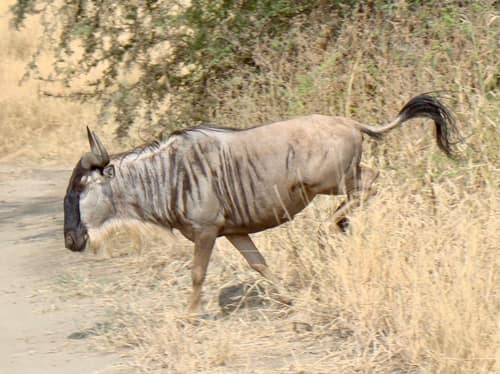
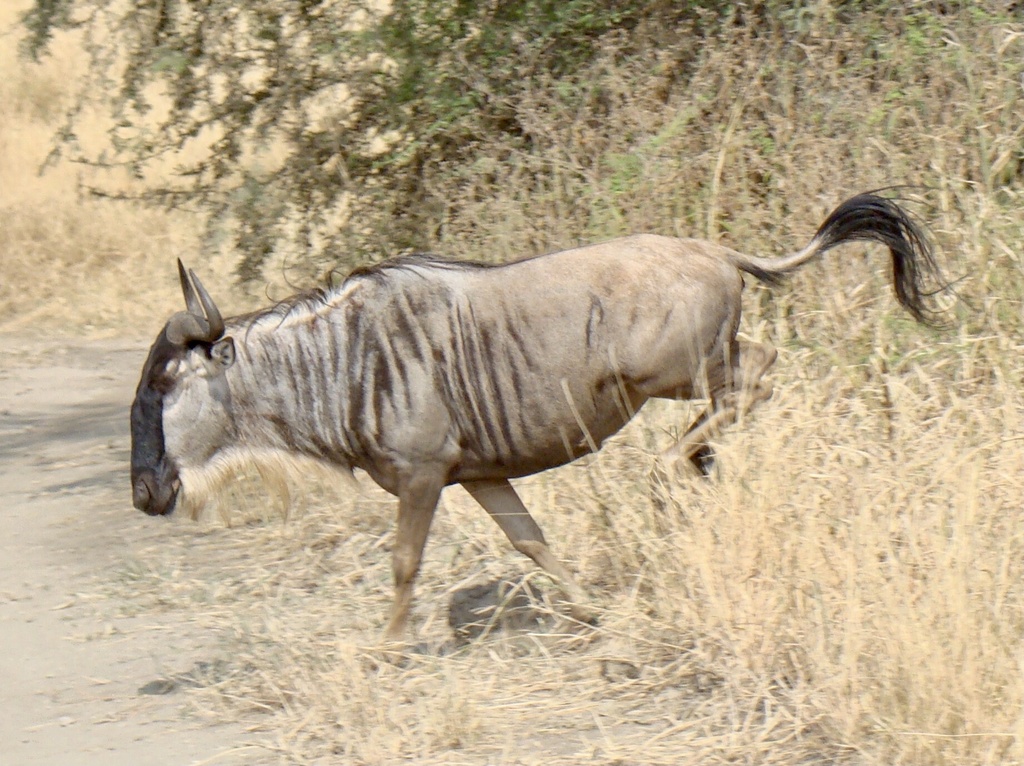
Licensed referenceno rights reserved, uploaded by Jean-Paul Boerekamps · cc0
—observations
—countries
—peak records
Least ConcernConservation statusIUCN Red List categoriesLCNTVUENCREWEXLeast ConcernRed List categories, explained →
Diet & prey
- Short grasses
- Shoots
- Herbs
Predators
- Lions
- Spotted Hyenas
- Nile Crocodiles
ThreatsHabitat fragmentation, fences blocking migration routes, poaching, drought
HabitatsSavannas, open grasslands, acacia woodlands
Life span15 to 20 years
Size / weightNot available
Classification
- FamilyBovidae
- SpeciesConnochaetes taurinus albojubatus
Range data is not available yet.
Interaction riskHigh
- Low
- Moderate
- High
- Very high
- Why interaction risk is high
- Can charge or trample if threatened; maintain a safe distance, especially during the migration or calving season.
- Why it is dangerous
- Can weigh up to 250 kilograms and may charge, kick, or trample when startled or cornered.
- How to recognize a risky encounter
- Look for the distinctive white beard hanging from the throat, curved horns, and a sloping back.
- What to do
- Never approach on foot; always view from the safety of an enclosed safari vehicle.
- What to notice
- Recognizable by their massive, dust-kicking herds moving in long, single-file lines.
- Support conservation
- Support local conservancies that keep migration corridors open and free of fences.
Responsible observation
- Use Binoculars: Observe their dramatic river crossings and herd dynamics from a safe vehicle.
- Respect Migration Paths: Never position vehicles in a way that blocks or diverts moving herds.
- Listen for Vocalizations: Listen for their constant, nasal grunt which helps herds stay together.
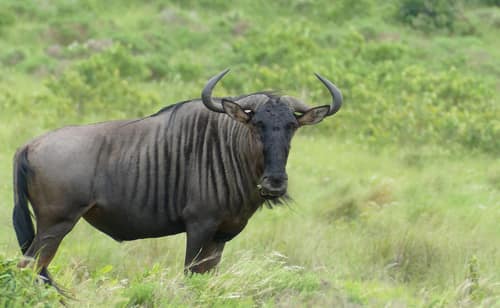
Nominate Subspecies Bernard Dupont / CC BY-SA 2.0 · CC BY-SA 2.0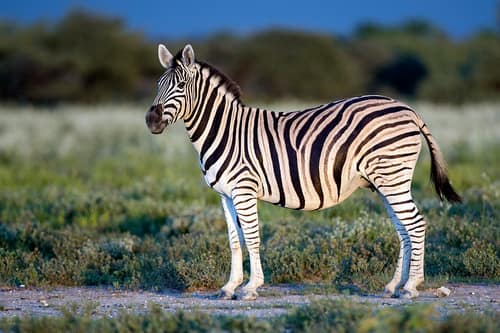
Frequent Companion Yathin S Krishnappa / CC BY-SA 3.0 · cc-by-sa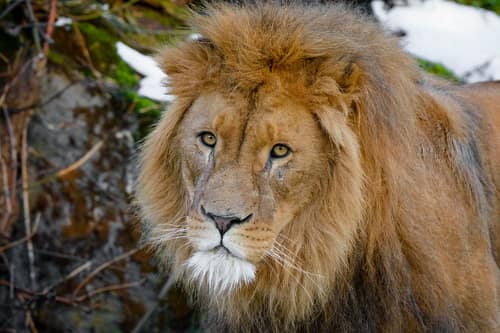
Predator "African Lion" by Mathias Appel is marked with CC0 1.0. To view the terms, visit https://creativecommons.org/publicdomain/zero/1.0/. · cc0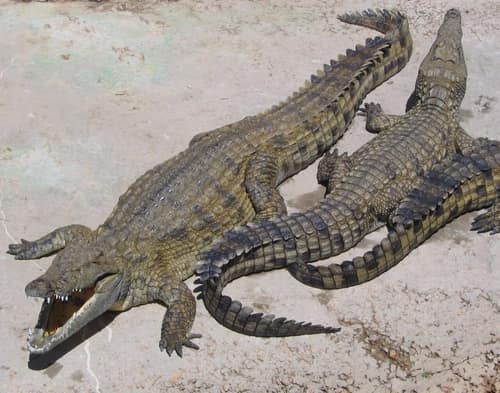
Predator Dewet / CC BY-SA 2.0 · cc-by-sa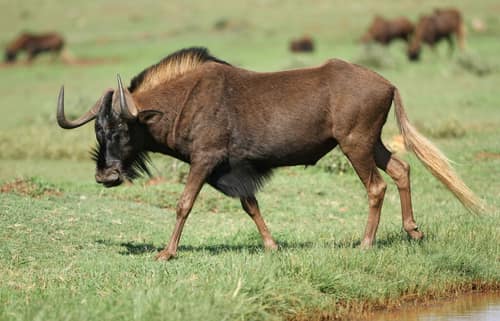
Close Relative (c) Derek Keats, some rights reserved (CC BY) · cc-by
Help improve the field guideSomething wrong?
Checking your Fauna account…Report a name, category, or profile issue for review.