
Species · GBIF taxon 4262643
Western White-bearded Wildebeest
Connochaetes taurinus mearnsiAlso known as Mearn's White-bearded Wildebeest, Mearn's Wildebeest, Serengeti White-bearded Wildebeest, Serengeti Wildebeest
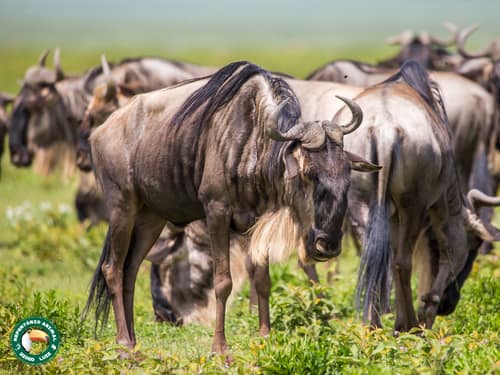
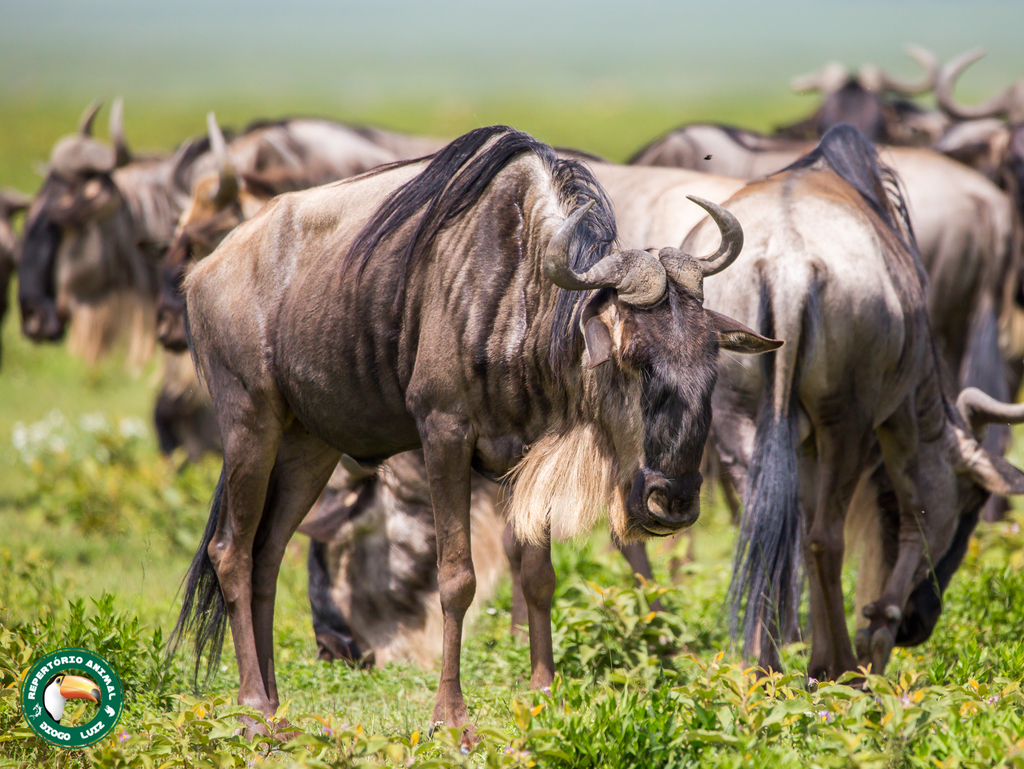
Western white-bearded wildebeests dominate the Serengeti-Mara ecosystem, moving in spectacular, endless columns of hundreds of thousands of individuals in search of fresh grazing. These highly social antelopes rely on a keen sense of smell and collective intelligence to track seasonal rains and navigate treacherous river crossings. Their synchronized calving season floods the plains with thousands of precocious young within a brief two-week window, overwhelming local predators through sheer numbers.
MigratorySocialGrassland
—observations
—countries
—peak records
Least ConcernConservation statusIUCN Red List categoriesLCNTVUENCREWEXLeast ConcernRed List categories, explained →
Diet & prey
- Short grasses
- Red oat grass
- Finger grasses
Predators
- Lions
- Spotted Hyenas
- Nile Crocodiles
ThreatsHabitat fragmentation, fencing blocking migration routes, climate change, illegal poaching
HabitatsSavannas, open grasslands, acacia woodlands
Life span15 to 20 years in the wild
Size / weightNot available
Classification
- FamilyBovidae
- SpeciesConnochaetes taurinus mearnsi
Range data is not available yet.
Interaction riskHigh
- Low
- Moderate
- High
- Very high
- Why interaction risk is high
- Large herd animals that can charge or trample if cornered; observe from a safe vehicle distance.
- Why it is dangerous
- Massive herds can stampede when panicked, and individuals possess sharp horns capable of inflicting fatal goring wounds.
- How to recognize a risky encounter
- Look for a dark grey body, a white beard under the chin, and curved, bracket-shaped horns.
- What to do
- Never approach on foot; maintain a distance of at least 50 meters and stay inside an enclosed vehicle.
- What to notice
- Recognized by their constant movement in massive, single-file lines across the savanna.
- Support conservation
- Keep safari vehicles quiet and stationary when herds are preparing to cross rivers to avoid causing fatal stampedes.
Responsible observation
- Vehicle Safety: Always remain inside your safari vehicle when observing herds in national parks.
- Migration Timing: Plan visits between July and October to witness dramatic river crossings.
- Give Space: Avoid blocking migration paths or corridors with vehicles, which causes panic.
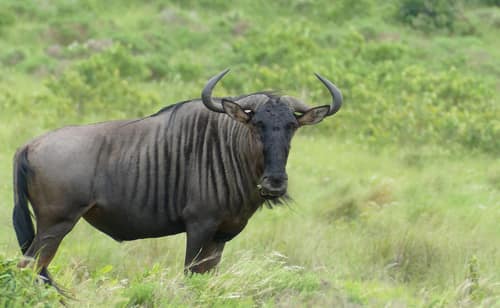
Nominate Subspecies Bernard Dupont / CC BY-SA 2.0 · CC BY-SA 2.0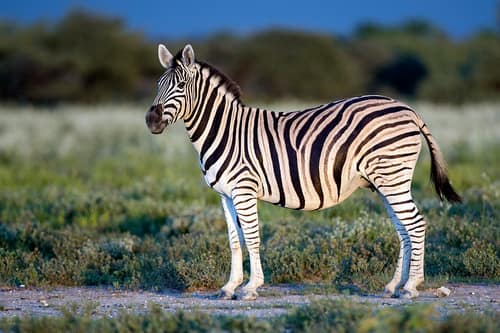
Frequent Companion Yathin S Krishnappa / CC BY-SA 3.0 · cc-by-sa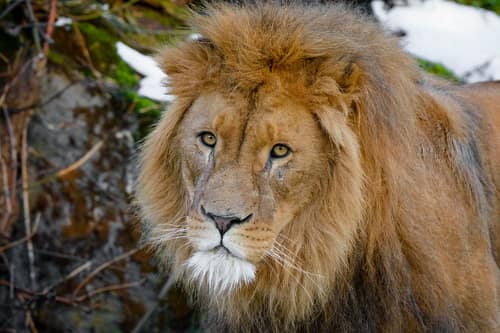
Predator "African Lion" by Mathias Appel is marked with CC0 1.0. To view the terms, visit https://creativecommons.org/publicdomain/zero/1.0/. · cc0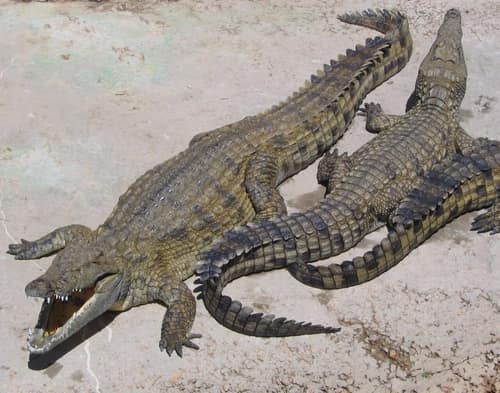
Predator Dewet / CC BY-SA 2.0 · cc-by-sa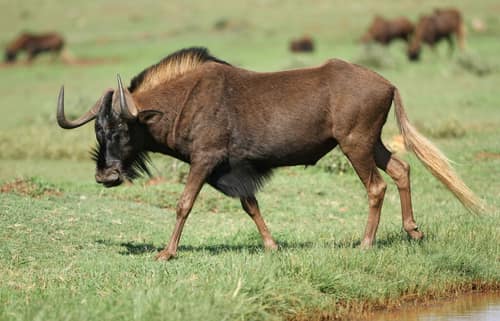
Close Relative (c) Derek Keats, some rights reserved (CC BY) · cc-by
Help improve the field guideSomething wrong?
Checking your Fauna account…Report a name, category, or profile issue for review.