
Mammal · GBIF taxon 4262389
Korean Water Deer
Hydropotes inermis argyropusAlso known as Korean Vampire Deer, Tusked Deer, River Deer
Korean water deer are unique small cervids that lack antlers entirely, relying instead on long, mobile upper canine tusks for social defense and rival displays. Native to wetlands, river valleys, and agricultural fields across the Korean Peninsula, they are exceptional swimmers capable of crossing wide rivers to reach fresh feeding grounds. Active mostly at dawn and dusk, they communicate through raspy alarm barks and high-pitched squeaks while browsing on tender vegetation.
TuskedWetlandSolitary
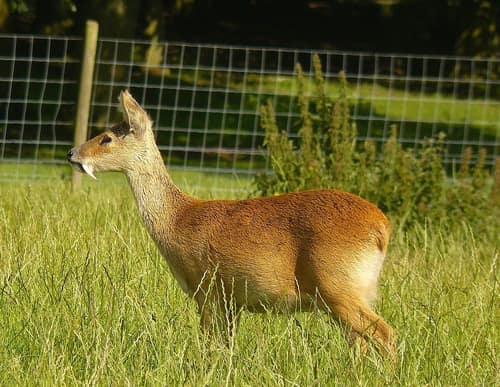
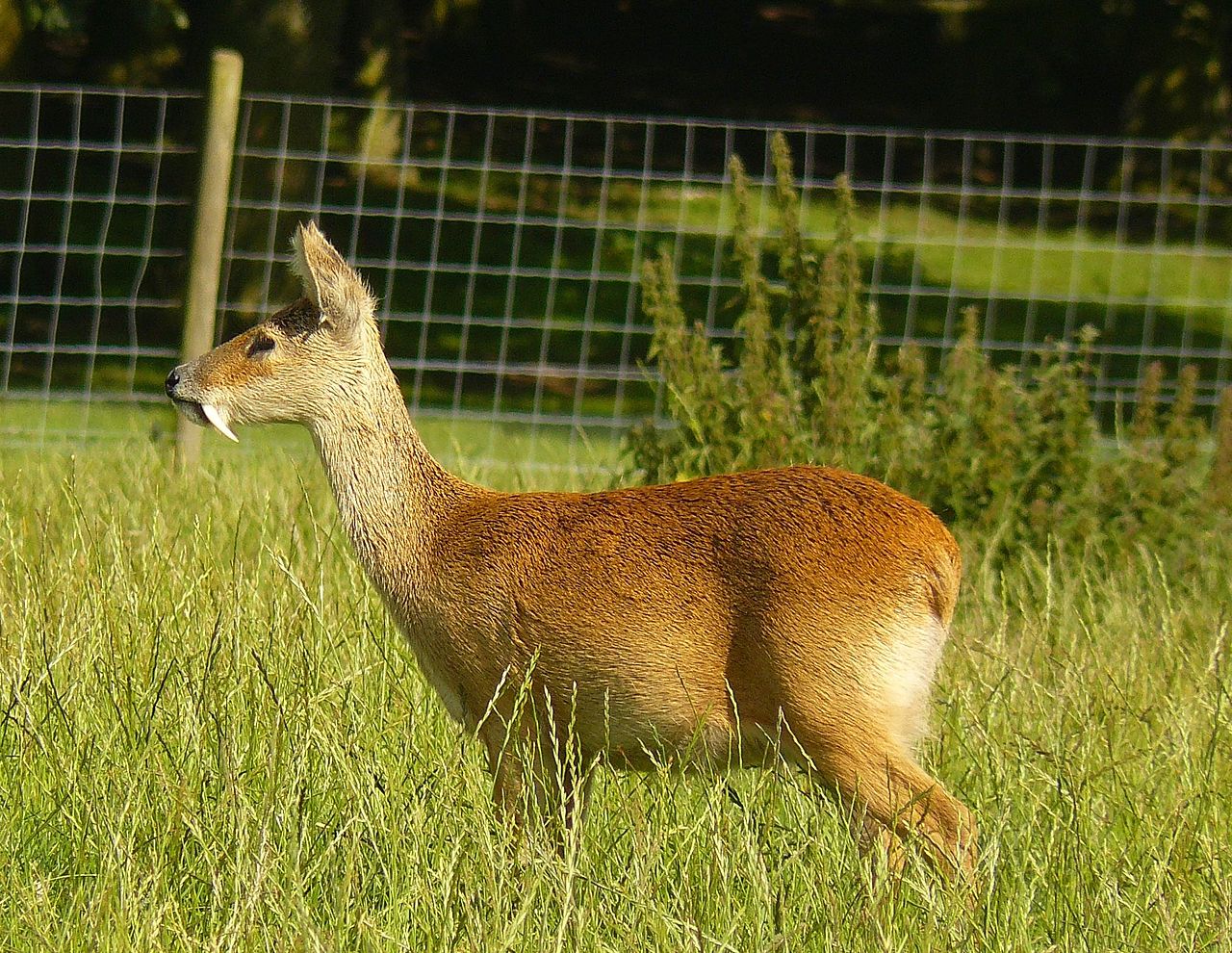
Licensed referenceAltaileopard / Public domain · cc0
—observations
—countries
—peak records
VulnerableConservation statusIUCN Red List categoriesLCNTVUENCREWEXVulnerableRed List categories, explained →
Diet & prey
- Reeds
- Sedges
- Grasses
Predators
- Leopard Cat
- Eurasian Eagle-Owl
- Yellow-throated Marten
ThreatsHabitat destruction, poaching, road mortality, agricultural fencing
HabitatsWetlands, riverbanks, marshlands, agricultural fields, forest edges
Life span10–12 years in the wild
Size / weightNot available
Classification
- FamilyCervidae
- SpeciesHydropotes inermis argyropus
Range data is not available yet.
Interaction riskLow
- Low
- Moderate
- High
- Very high
- Why interaction risk is low
- Males carry sharp canine tusks that can inflict deep cuts if cornered; observe from a distance.
- Why it is dangerous
- Males possess elongated, sharp upper canine teeth measuring up to eight centimeters that can cause severe puncture wounds if handled.
- How to recognize a risky encounter
- Recognized by its small size, rounded ears, rufous summer coat, and visible white tusks projecting from the upper jaw.
- What to do
- Maintain a distance of at least twenty meters and never attempt to corner or grab an individual.
- What to notice
- Identified by its compact hornless body, pale facial mask, and distinct tusks visible in adult males.
- Support conservation
- Remain on marked paths near nature reserves and drive cautiously along rural roads adjacent to reed beds.
Responsible observation
- Observing: Scan wetland borders and riverbanks during twilight hours when individuals emerge to feed.
- Handling: Keep a respectful distance and avoid cornering individuals in dense vegetation.
- Identification: Look for a small reddish-brown deer lacking antlers and possessing visible down-turned tusks.
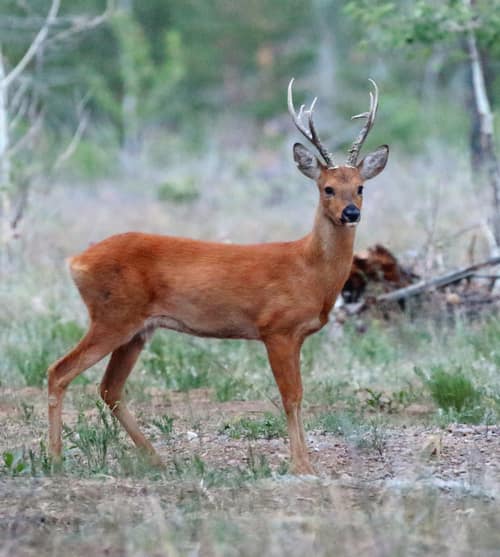
Co-occurring Cervid (c) Andrey Giljov, some rights reserved (CC BY-SA) · cc-by-sa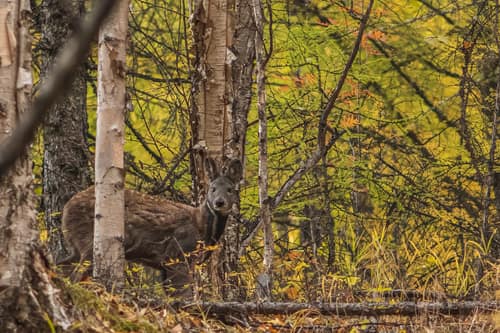
Tusked Relative (c) Dmitry Ivanov, some rights reserved (CC BY) · cc-by
Help improve the field guideSomething wrong?
Checking your Fauna account…Report a name, category, or profile issue for review.