
Mammal · GBIF taxon 5220127
Siberian Roe Deer
Capreolus pygargusAlso known as Eastern Roe Deer, Asian Roe Deer
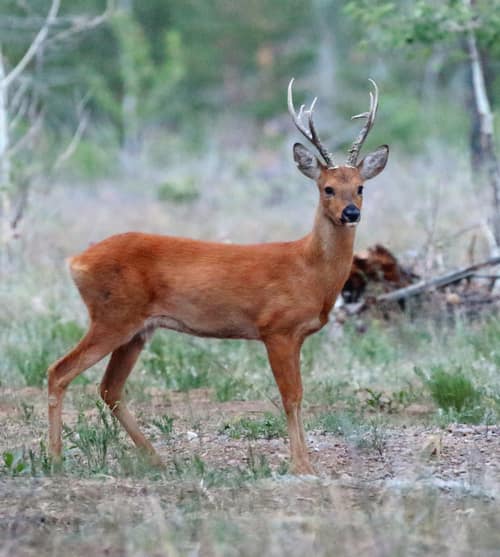
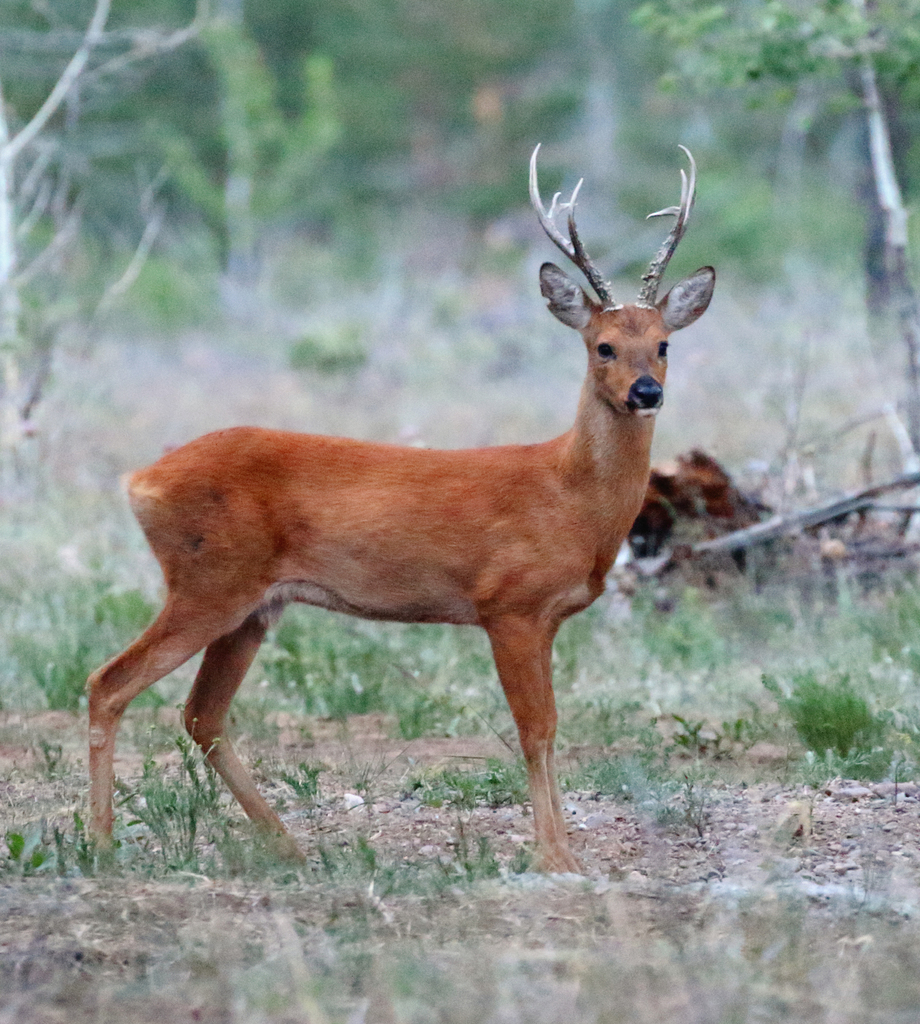
Siberian roe deer are larger and heavier than their European relatives, built for surviving severe northern winters across Asia. During cold months, they gather in small herds to migrate toward areas with lighter snowfall, digging through snow cover with their hooves to reach buried forage. When startled, they bound away with high leaps while uttering a loud, dog-like alarm bark that alerts others nearby.
HerbivoreMigratoryForest Animal
—observations
—countries
—peak records
Least ConcernConservation statusIUCN Red List categoriesLCNTVUENCREWEXLeast ConcernRed List categories, explained →
Diet & prey
- Leaves, shoots, grasses, twigs, and fungi
Predators
- Gray Wolf
- Siberian Tiger
- Eurasian Lynx
ThreatsPoaching, severe winter snows, and fence hazards
HabitatsTemperate forests, mountain woodlands, and forest-steppes
Life span10-12 years
Size / weightNot available
Classification
- FamilyCervidae
- SpeciesCapreolus pygargus
Native
Interaction riskLow
- Low
- Moderate
- High
- Very high
- Why interaction risk is low
- Safe to observe from a distance; avoid approaching closely, especially during the autumn rut.
Responsible observation
- Observe from afar: Use binoculars or a telephoto lens, as wild deer scare easily.
- Look for winter herds: Spot small groups along forest edges during late autumn and winter.
- Listen for barks: A harsh alarm bark indicates a deer has spotted your presence.
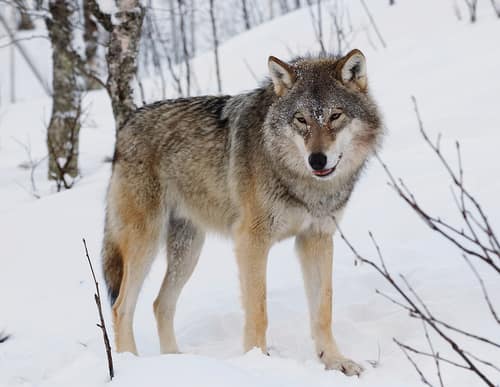
Predator User:Mas3cf / CC BY-SA 4.0 · cc-by-sa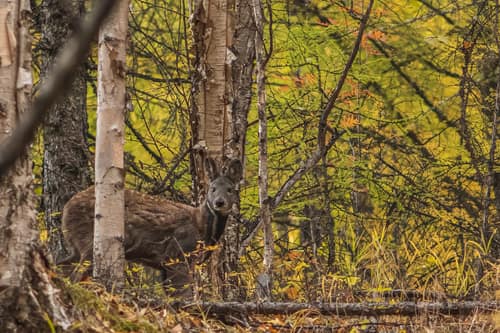
Frequent Companion (c) Dmitry Ivanov, some rights reserved (CC BY) · cc-by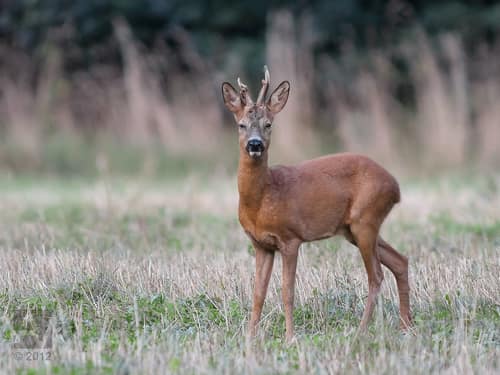
Close Relative "Ree bok - Roe deer male" by Arend Vermazeren is licensed under CC BY 2.0. To view a copy of this license, visit https://creativecommons.org/licenses/by/2.0/. · cc-by
Help improve the field guideSomething wrong?
Checking your Fauna account…Report a name, category, or profile issue for review.