
Plant · GBIF taxon 4096555
Siamese Sal Wood
Shorea obtusaAlso known as Siamese Sal, Teng Tree, Burmese Sal
Siamese Sal Wood is a dominant deciduous hardwood tree that shapes the canopy of dry dipterocarp forests across Southeast Asia. Its deeply fissured, fire-resistant bark enables it to endure periodic dry season fires typical of monsoon climates. Shortly after losing its leaves, the tree produces clusters of fragrant yellow flowers followed by distinctive five-winged fruits that spin on the wind.
HardwoodMonsoon ForestDeciduous
—observations
—countries
—peak records
Near ThreatenedConservation statusIUCN Red List categoriesLCNTVUENCREWEXNear ThreatenedRed List categories, explained →
Diet & prey
- Photosynthetic (Sunlight, Water, Soil Nutrients)
Predators
- Wood-boring beetles
- Leaf-eating caterpillars
- Seed-eating rodents
ThreatsHabitat loss from agricultural conversion, unsustainable logging, excessive fire frequency
HabitatsDry dipterocarp forests, open savanna woodlands, rocky slopes
Life span100–250 years
Size / weightNot available
Classification
- FamilyDipterocarpaceae
- SpeciesShorea obtusa
Range data is not available yet.
Interaction riskLow
- Low
- Moderate
- High
- Very high
- Why interaction risk is low
- Safe to observe at a normal distance.
- What to notice
- Recognize by its deeply ridged dark bark, thick oval leaves, and five-winged spinning samara fruits.
- Support conservation
- Avoid compacting root zones or stripping bark, and admire mature specimens without disturbing surrounding understory.
Responsible observation
- Look for Wings: Examine fallen fruits during the dry season to spot five prominent aerodynamic wings.
- Check Bark Patterns: Observe the thick, deeply fissured bark adapted to survive frequent low-intensity seasonal forest fires.
- Time the Bloom: Watch for small, fragrant yellow flower clusters appearing right before new leaf flushing.
 Image unavailable
Forest Associate 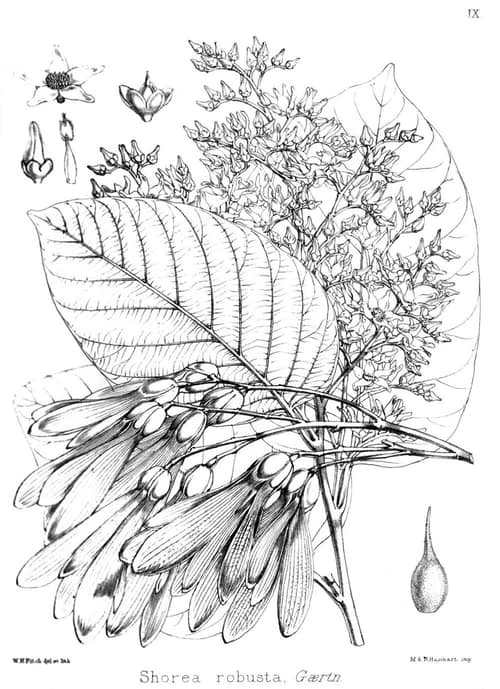
Close Relative Wikimedia Commons / Public domain · cc0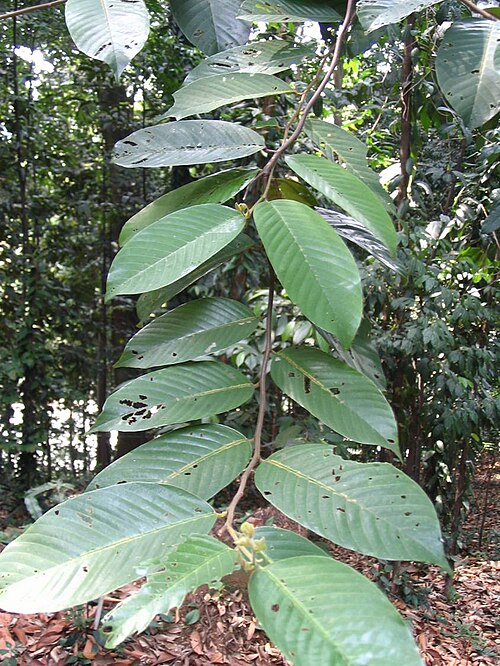
Close Relative Patrice78500 / Public domain · cc0Family Member
Help improve the field guideSomething wrong?
Checking your Fauna account…Report a name, category, or profile issue for review.