
Plant
Chinese Trumpet Vine
Campsis grandifloraAlso known as Chinese Trumpet Creeper
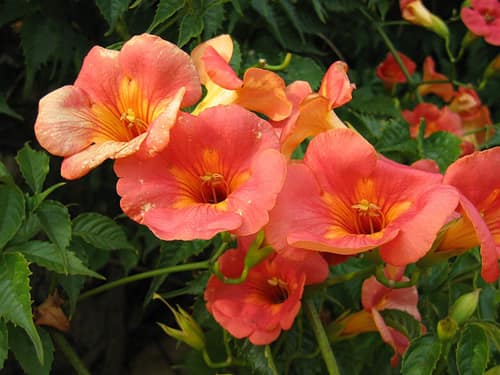
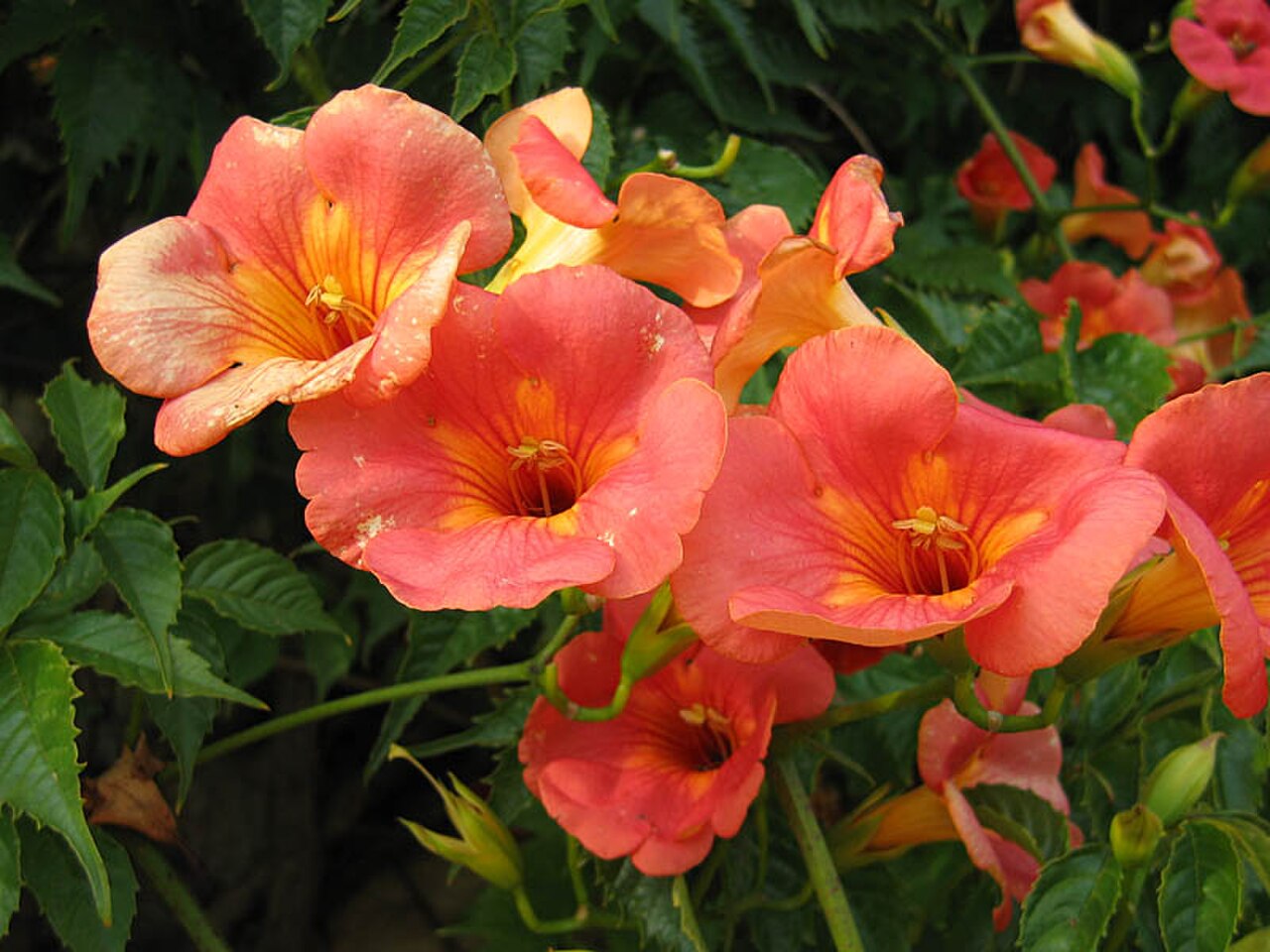
Chinese trumpet vines climb vigorously across trellises, rock faces, and canopy edges, using sparse aerial rootlets and twining stems to ascend into full sunlight. During midsummer, terminal clusters unfurl dozens of broad, salmon-orange bells that produce generous pools of nectar, attracting long-tongued bees, hawkmoths, and other energetic pollinators. Later in the season, pollinated flowers develop into elongated, two-valved seed capsules that split to release hundreds of papery, wind-borne seeds.
ClimbingFloweringDeciduous
—observations
—countries
—peak records
Not EvaluatedConservation statusIUCN Red List categoriesLCNTVUENCREWEXNot Evaluated — not placed on the risk ladderRed List categories, explained →
Diet & preyPhotoautotrophic
Predators
- Aphids
- Spider Mites
- Scale Insects
ThreatsSevere frost damage in cold climates and localized habitat clearing
HabitatsForest margins, rocky hillsides, stream banks, and cultivated gardens
Life span20–50 years
Classification
- FamilyBignoniaceae
- SpeciesCampsis grandiflora
Range data is not available yet.
Interaction riskLow
- Low
- Moderate
- High
- Very high
- Why interaction risk is low
- Safe to observe at a normal distance.
Responsible observation
- Support Structure: Provide a sturdy arbor or trellis, as mature woody vines become exceptionally heavy.
- Sunlight Requirements: Grow in full sun to maximize flowering performance and stem vigor.
- Winter Protection: Shelter root crowns in colder zones, as it tolerates less frost than American trumpet vine.
 Image unavailable
Hybrid Offspring 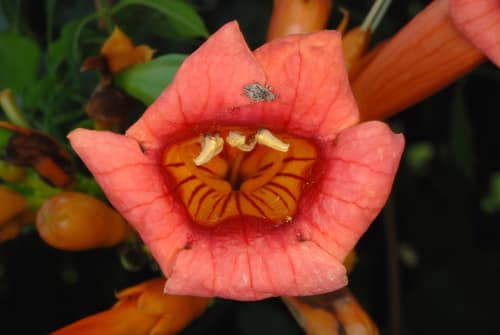
Close Relative (c) Douglas Goldman, some rights reserved (CC BY-SA), uploaded by Douglas Goldman · cc-by-sa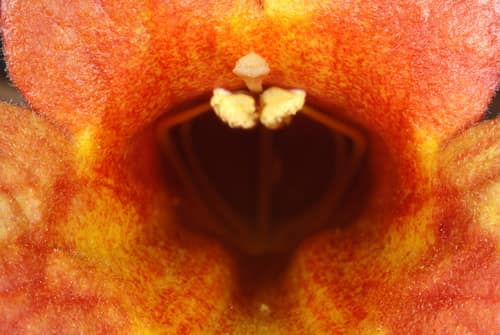
Same Family (c) Douglas Goldman, some rights reserved (CC BY-SA), uploaded by Douglas Goldman · cc-by-sa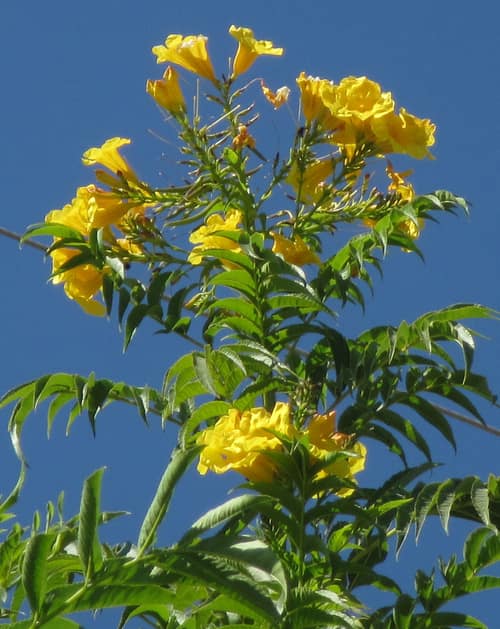
Same Family (c) Robert Taylor, some rights reserved (CC BY), uploaded by Robert Taylor · cc-by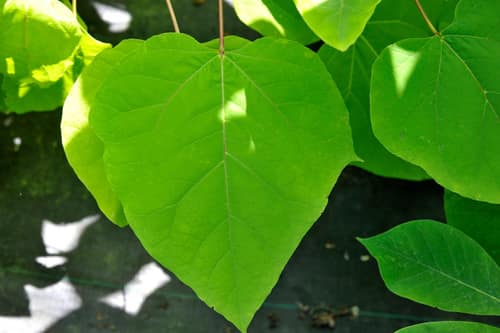
Same Family (c) Megan Hansen, some rights reserved (CC BY-SA) · cc-by-sa
Help improve the field guideSomething wrong?
Checking your Fauna account…Report a name, category, or profile issue for review.