
Plant
Yellow Trumpet-tree
Tabebuia aureaAlso known as Silver Trumpet Tree, Tree of Gold, Caribbean Trumpet Tree, Paraguayan Silver Trumpet Tree
Yellow trumpet-trees transform arid South American savannas each dry season by dropping their silvery foliage and bursting into vibrant masses of golden blossoms. The thick, corky, deeply fissured bark provides remarkable resistance to the seasonal fires that sweep through the Brazilian Cerrado and Pantanal. Large bees, especially carpenter bees, are drawn to the nectar-rich flowers before elongated seed pods release winged seeds to ride the warm seasonal winds.
DeciduousFloweringDrought-Tolerant
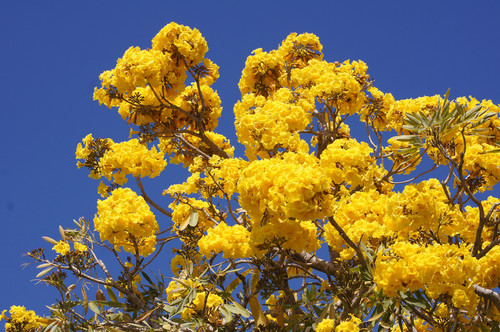
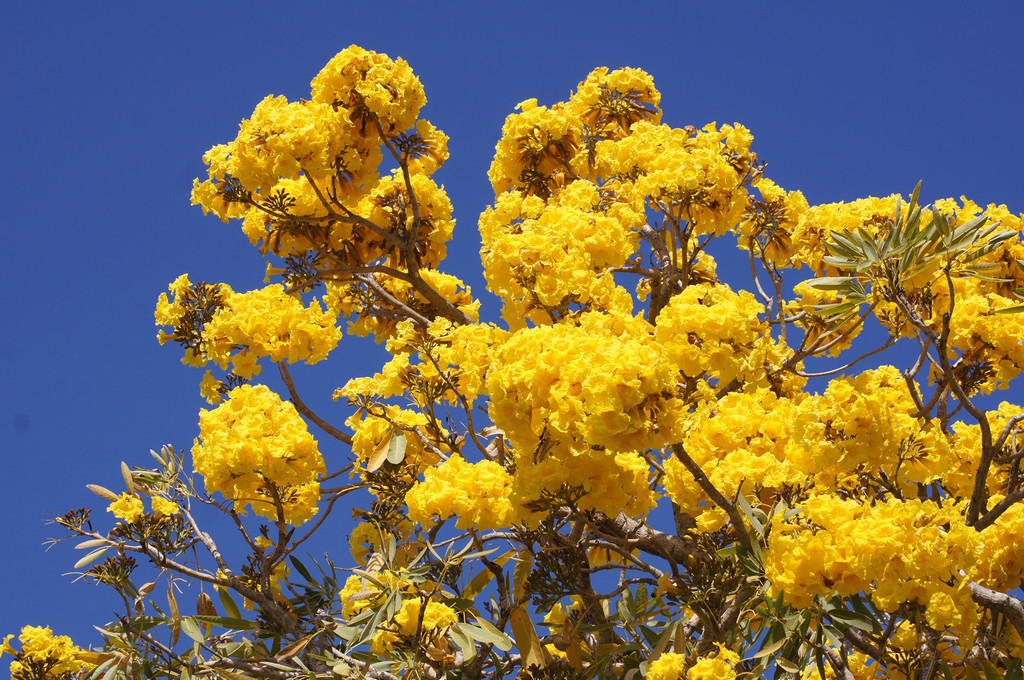
—observations
—countries
—peak records
Least ConcernConservation statusIUCN Red List categoriesLCNTVUENCREWEXLeast ConcernRed List categories, explained →
Diet & preySunlight, Water, Soil nutrients
Predators
- Caterpillars
- Leafcutter ants
- Boring beetles
ThreatsHabitat loss from agricultural expansion and altered fire regimes
HabitatsSavannas, Cerrado grasslands, dry woodlands, and seasonally flooded plains
Life span50–100 years
Classification
- OrderLamiales
- FamilyBignoniaceae
- GenusTabebuia
- SpeciesTabebuia aurea
Range data is not available yet.
Interaction riskLow
- Low
- Moderate
- High
- Very high
- Why interaction risk is low
- Safe to observe at a normal distance.
Responsible observation
- Flowering Season: Look for peak blooms late in the dry season when the canopy is entirely leafless.
- Pollinator Watching: Observe the canopy on sunny mornings to watch large carpenter bees enter the tubular flowers.
- Bark Identification: Check for thick, deeply furrowed, corky bark which distinguishes it even when not in flower.
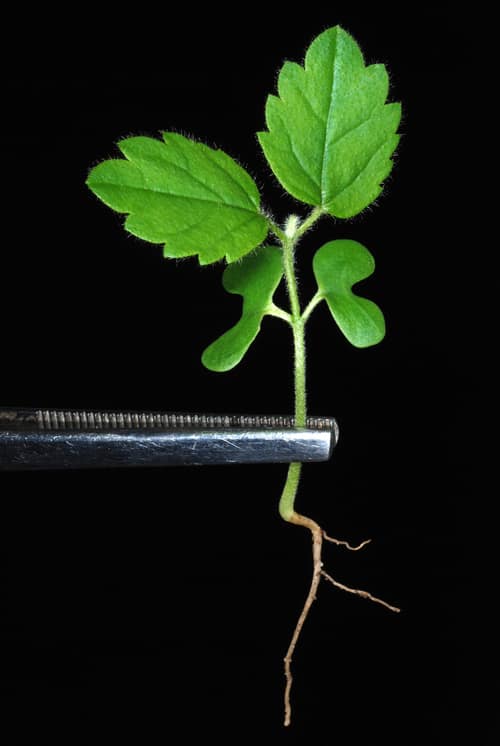
Close Relative (c) Douglas Goldman, some rights reserved (CC BY-SA), uploaded by Douglas Goldman · cc-by-sa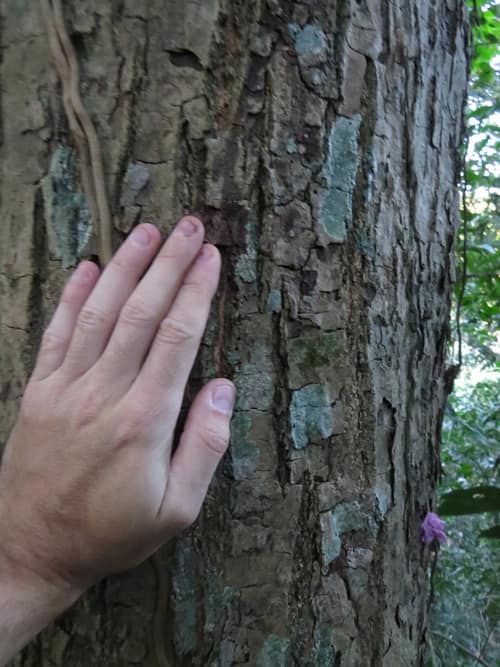
Same Family (c) Victor Farjalla Pontes, some rights reserved (CC BY), uploaded by Victor Farjalla Pontes · cc-by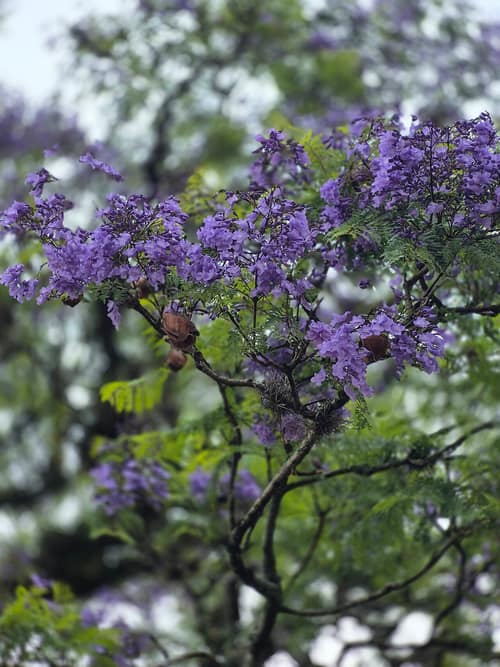
Same Family O Tupinólogo / CC BY 4.0 · cc-by
Help improve the field guideSomething wrong?
Checking your Fauna account…Report a name, category, or profile issue for review.