
Plant
Cecropia longipes
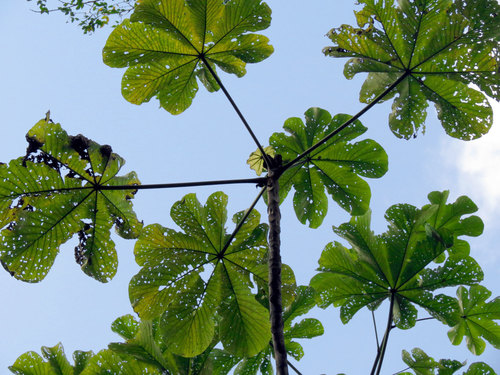
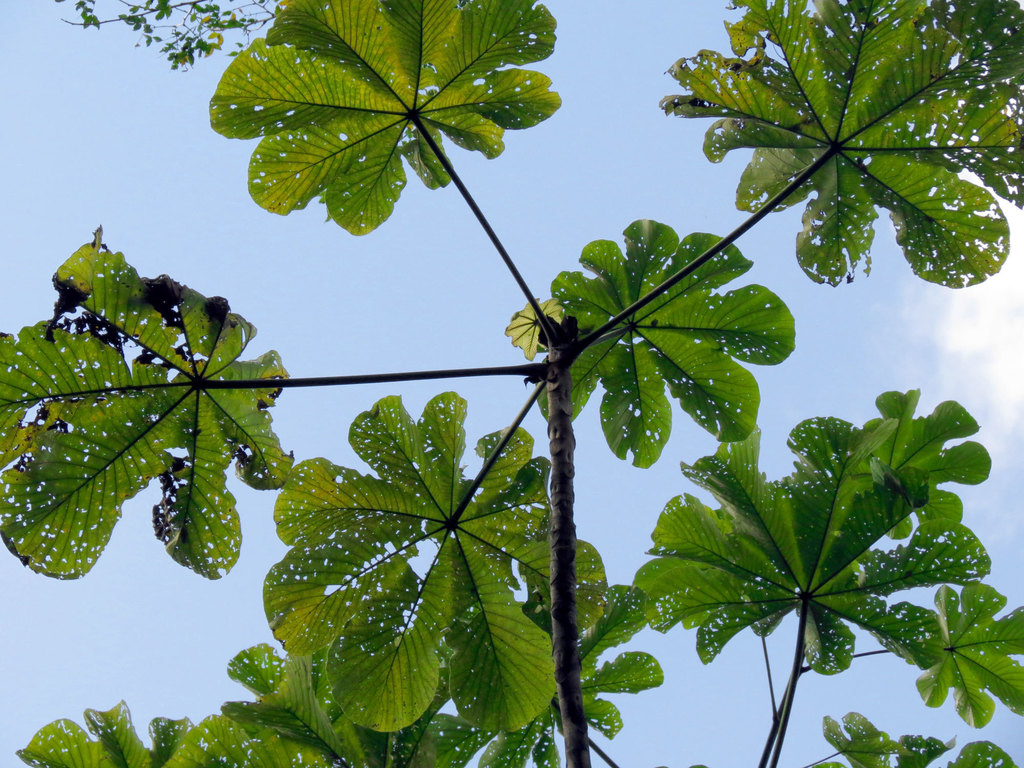
Cecropia longipesCecropia longipes is an umbrella-shaped pioneer tree specializing in rapid colonization of forest light gaps and river margins across the wet Chocó-Darién biogeographic corridor. Its hollow stems and specialized gland-bearing leaf bases often provide nesting chambers and nutrient-rich food bodies for symbiotic Azteca ants, which vigorously defend the foliage against encroaching vines and herbivorous insects. The tree's sprawling, deeply lobed leaves sit atop exceptionally elongated stalks, creating an airy canopy that shelters foraging rainforest fauna.
RainforestPioneer TreeCanopy
—observations
—countries
—peak records
VulnerableConservation statusIUCN Red List categoriesLCNTVUENCREWEXVulnerableRed List categories, explained →
Diet & preyAutotrophic (photosynthesis)
Predators
- Brown-throated sloth
- Hoffmann's two-toed sloth
- Spectacled parrotlet
ThreatsDeforestation, agricultural clearing, and infrastructure expansion in the Darién gap
HabitatsLowland tropical wet rainforests, riverbanks, and canopy gaps
Life span30–60 years
Classification
- FamilyUrticaceae
- SpeciesCecropia longipes
Range data is not available yet.
Interaction riskLow
- Low
- Moderate
- High
- Very high
- Why interaction risk is low
- Safe to observe at a normal distance.
- What to notice
- Recognizable by its pale trunk, high layered tiers, and very long leaf petioles holding broad peltate leaves in Chocó-Darién lowlands.
- Support conservation
- Observe from established trails or waterways to prevent soil erosion and fragile understory trampling.
Responsible observation
- Observing: Use binoculars to scan the high canopy for foraging sloths and frugivorous birds.
- Identification: Look for prominent peltate leaves held on exceptionally long, slender stalks.
- Precautions: Avoid jostling trunks, as resident colonies of Azteca ants can aggressively swarm.
 Image unavailable
Symbiont 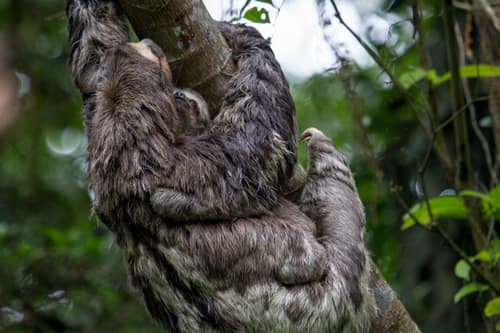
Predator (c) Bruno Henrique Aranda, some rights reserved (CC BY), uploaded by Bruno Henrique Aranda · cc-by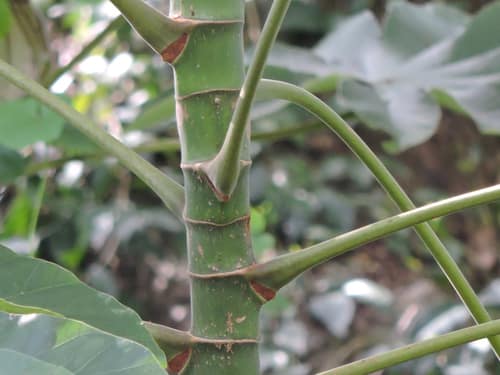
Close Relative (c) Fabrício Mil Homens Riella, some rights reserved (CC BY), uploaded by Fabrício Mil Homens Riella · cc-byClose Relative
Help improve the field guideSomething wrong?
Checking your Fauna account…Report a name, category, or profile issue for review.