
Plant · GBIF taxon 3974788
Whistling Thorn
Vachellia drepanolobiumAlso known as Whistling Acacia, Swollen-thorn Acacia
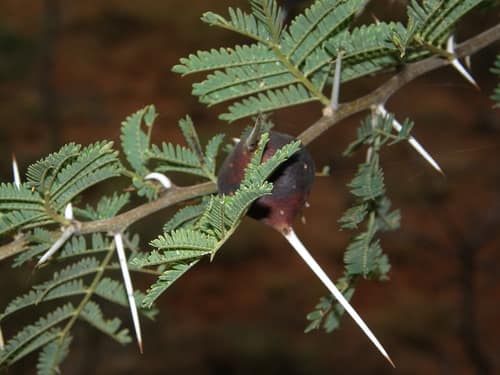
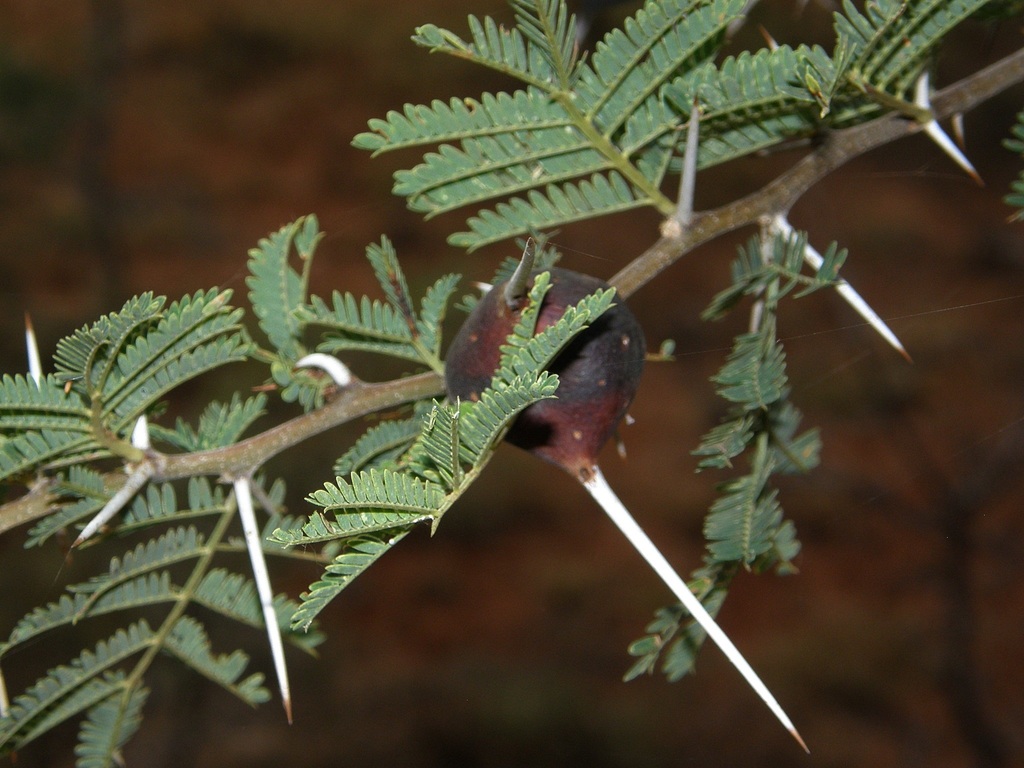
Whistling thorn dominates the heavy black clay soils of East African savannas, forming dense, orchard-like stands across vast plains. Its swollen, hollow thorn bases double as protective shelters for aggressive ant species, which defend the tree against browsing herbivores like giraffes in exchange for nectar. When wind rushes across the entry holes bored into these hollow spines by resident ants, the tree creates a subtle, whistling hum.
SymbioticAfrican SavannaArid Flora
—observations
—countries
—peak records
Least ConcernConservation statusIUCN Red List categoriesLCNTVUENCREWEXLeast ConcernRed List categories, explained →
Diet & prey
- Sunlight
- Water
- Atmospheric Nitrogen
Predators
- Giraffe
- African Elephant
- Gerenuk
ThreatsLand clearing, overgrazing, and altered fire regimes
HabitatsSavannas, open woodlands, and heavy clay soil plains
Life span30–50 years
Size / weightNot available
Classification
- OrderFabales
- FamilyFabaceae
- GenusVachellia
- SpeciesVachellia drepanolobium
Range data is not available yet.
Interaction riskLow
- Low
- Moderate
- High
- Very high
- Why interaction risk is low
- Safe to observe at a normal distance; take care near sharp thorns and biting ant colonies.
Responsible observation
- Listening for Wind: Stand downwind on a breezy day to hear the characteristic high-pitched sound produced by air moving through hollowed spines.
- Observing Symbiosis: Look closely at the dark swollen thorns to spot resident ants patrolling near leaf bases and extrafloral nectar glands.
- Mind the Spines: Keep a respectful distance to avoid sharp physical thorns and defensive biting ants.
 Image unavailable
Symbiont 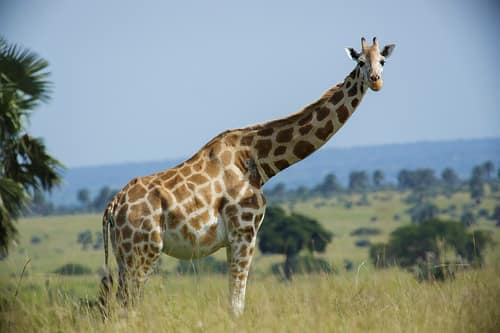
Herbivore Thomas Fuhrmann / CC BY-SA 4.0 · cc-by-sa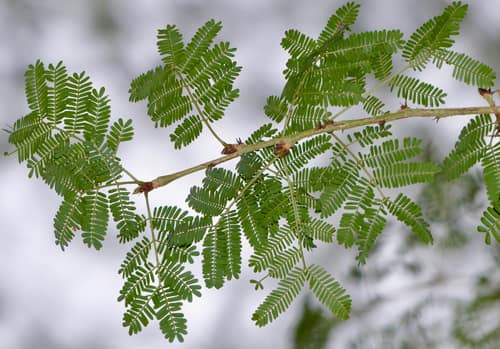
Close Relative (c) Bernard DUPONT, some rights reserved (CC BY-SA) · cc-by-sa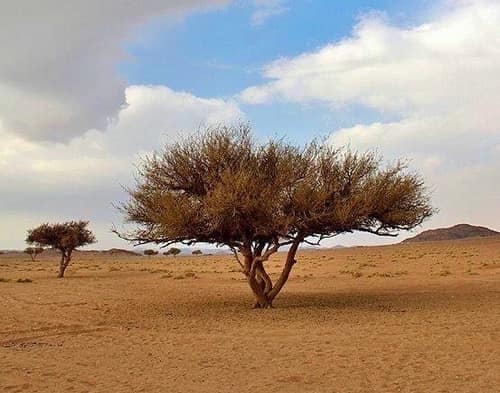
Close Relative (c) Rabah Al-Shammary, some rights reserved (CC BY), uploaded by Rabah Al-Shammary · cc-by
Help improve the field guideSomething wrong?
Checking your Fauna account…Report a name, category, or profile issue for review.