
Plant · GBIF taxon 3906644
Black Beech
Nothofagus solandriAlso known as Tāwhai Pauriki, Black Beech Tree
Black beech forms dominant canopy forests across New Zealand drier eastern hill country and montane valleys, recognized by its small, smooth-edged dark leaves and black-soot bark. The distinctive dark coating on the trunk stems from a soot mold that feeds on honeydew excreted by native scale insects in the bark. During periodic mast years, these trees produce massive seed crops that drive local ecosystem dynamics and feed native birds.
EvergreenEndemicTree
—observations
—countries
—peak records
Least ConcernConservation statusIUCN Red List categoriesLCNTVUENCREWEXLeast ConcernRed List categories, explained →
Diet & prey
- Sunlight
- Water
- Soil Nutrients
Predators
- Brushtail Possum
- Red Deer
- Beech Scale Insect
ThreatsInvasive herbivores, forest clearing, extreme drought
HabitatsLowland and montane forests
Life span150–300 years
Size / weightNot available
Classification
- FamilyNothofagaceae
- SpeciesNothofagus solandri
Range data is not available yet.
Interaction riskLow
- Low
- Moderate
- High
- Very high
- Why interaction risk is low
- Safe to observe at a normal distance.
Responsible observation
- Spotting Honeydew Drops: Look for fine sugary threads dangling from the black soot covered bark.
- Identifying Leaves: Check for small oval dark green leaves with untoothed rolled edges.
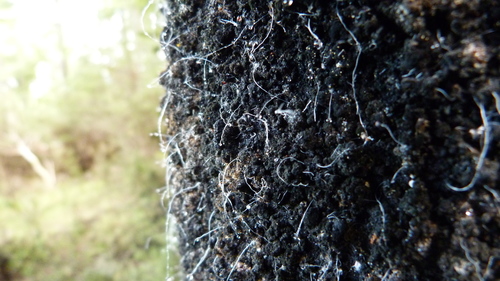
Symbiont (c) Colin Meurk, some rights reserved (CC BY-SA), uploaded by Colin Meurk · cc-by-sa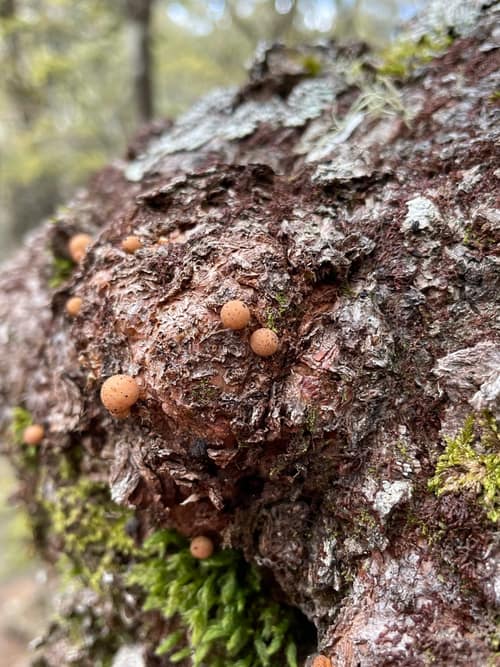
Parasite (c) Matt Berger, some rights reserved (CC BY), uploaded by Matt Berger · cc-by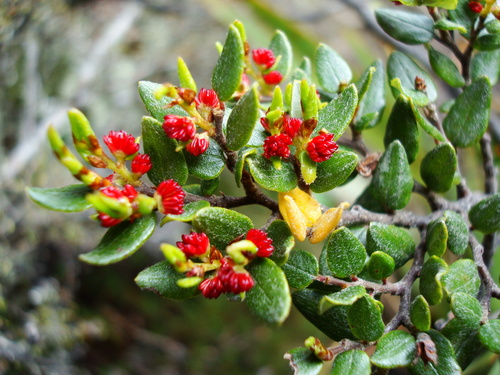
Close Relative (c) Sarah Richardson, some rights reserved (CC BY), uploaded by Sarah Richardson · cc-by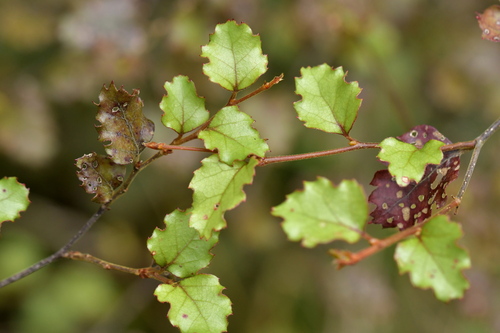
Close Relative (c) Christopher Stephens, some rights reserved (CC BY-SA), uploaded by Christopher Stephens · cc-by-sa
Help improve the field guideSomething wrong?
Checking your Fauna account…Report a name, category, or profile issue for review.