
Plant
Red Beech
Nothofagus fuscaAlso known as Tāwhai Raunui, Tāwhai, Fusca Beech
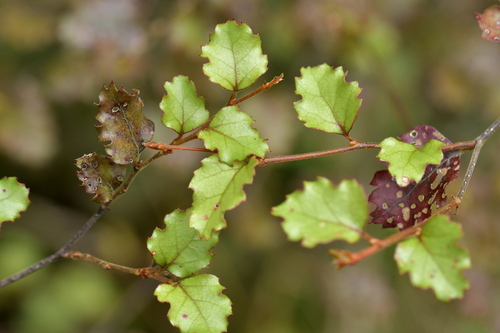
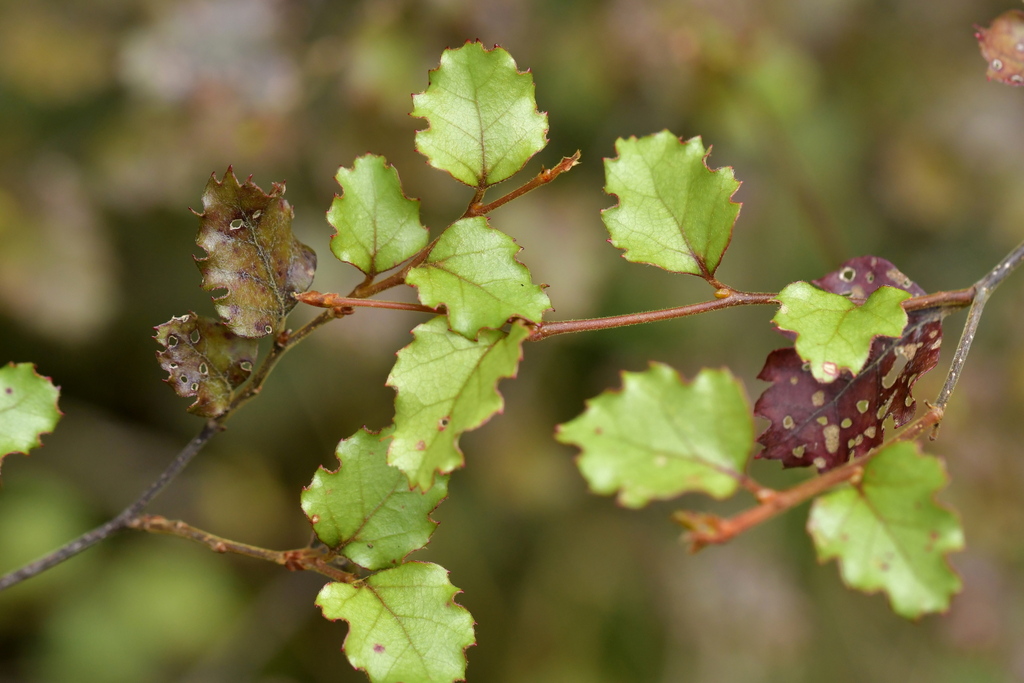
Red beech towers over lower hillslopes and valley floors across New Zealand, forming expansive, dark-canopied temperate forests. Distinctive coarsely serrated leaves turn vibrant shades of red before shedding in spring as fresh foliage flushes. These long-lived trees anchor rich ecosystems powered by scale insects that produce sweet honeydew along the deep furrows of their bark.
EvergreenForest TreeNew Zealand Native
—observations
—countries
—peak records
Least ConcernConservation statusIUCN Red List categoriesLCNTVUENCREWEXLeast ConcernRed List categories, explained →
Diet & preyAutotrophic (Photosynthetic)
Predators
- Brushtail Possum
- Red Deer
- Beech Scale Insect
ThreatsInvasive herbivores, forest clearing, honeydew competition from introduced wasps
HabitatsLowland and lower montane forests, valley floors, well-drained fertile soils
Life span300–500 years
Classification
- FamilyNothofagaceae
- SpeciesNothofagus fusca
Range data is not available yet.
Interaction riskLow
- Low
- Moderate
- High
- Very high
- Why interaction risk is low
- Safe to observe at a normal distance.
Responsible observation
- Foliage Identification: Look for glossy, oval leaves with prominent coarse teeth along the margins.
- Bark Pattern: Examine mature trunks for deeply furrowed, dark grey-brown bark coated in moss or honeydew drops.
- Bird Spotting: Listen for honeyeaters darting around the trunk where scale insects produce sweet honeydew.
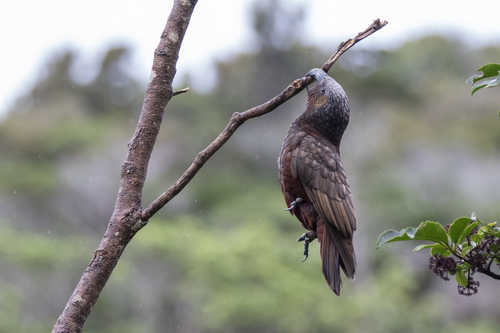
Symbiont (c) Shaun Lee, some rights reserved (CC BY), uploaded by Shaun Lee · cc-by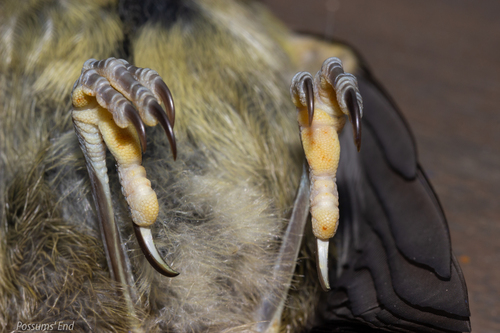
Frequent Visitor (c) Possums' End, some rights reserved (CC BY), uploaded by Possums' End · cc-by Image unavailable
Close Relative Close Relative
Help improve the field guideSomething wrong?
Checking your Fauna account…Report a name, category, or profile issue for review.