
Plant
American Cranberrybush
Viburnum trilobumAlso known as Highbush Cranberry, Cranberry Viburnum
American cranberrybush illuminates northern wetlands and forest edges with flat-topped lacecap flower clusters that transition into vibrant translucent scarlet drupes by late summer. The persistent fruits cling to branches well into freezing weather, softening over the winter months to furnish a vital calorie source for overwintering songbirds and small mammals. Its distinct three-lobed leaves mimic the shape of red maples, shifting from rich summer green to deep crimson and purplish bronze as autumn progresses.
Deciduous ShrubFloweringBird Attractor
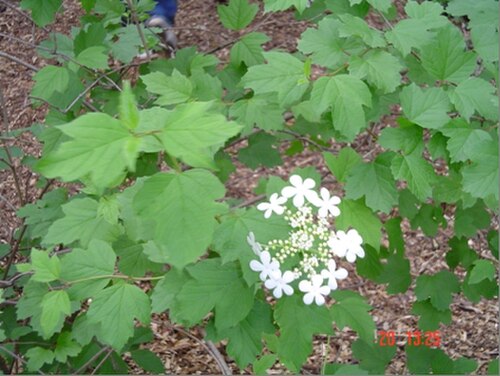
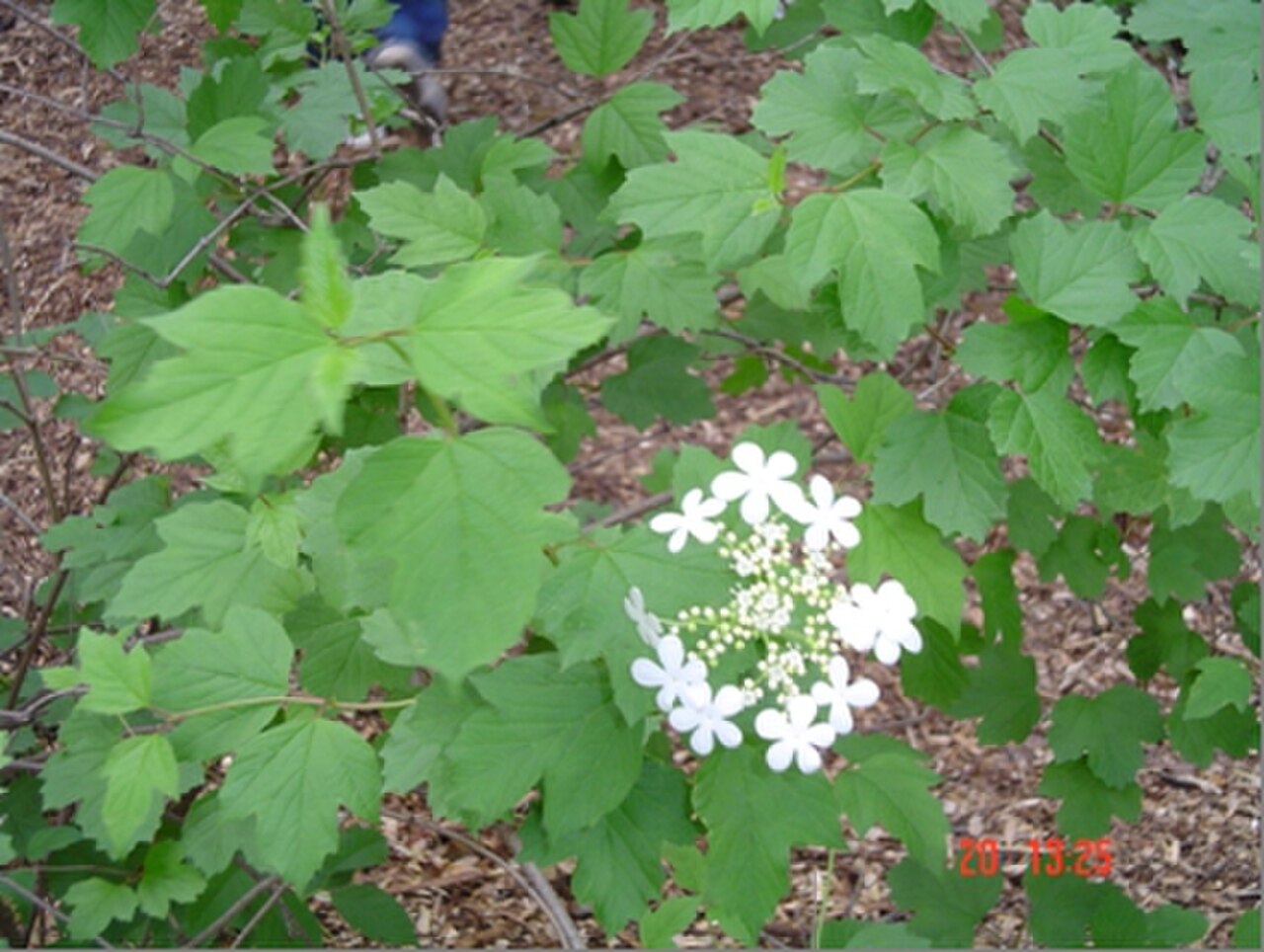
—observations
—countries
—peak records
Least ConcernConservation statusIUCN Red List categoriesLCNTVUENCREWEXLeast ConcernRed List categories, explained →
Diet & preyAutotrophic (photosynthetic)
Predators
- Viburnum leaf beetle
- White-tailed deer
- Cedar waxwing
ThreatsViburnum leaf beetle defoliation and wetland drainage
HabitatsMoist woodlands, stream banks, swamps, and bog margins
Life span20–50 years
Classification
- OrderDipsacales
- FamilyViburnaceae
- GenusViburnum
- SpeciesViburnum trilobum
Range data is not available yet.
Interaction riskLow
- Low
- Moderate
- High
- Very high
- Why interaction risk is low
- Wild berries have toxic look-alikes; never eat based on app identification alone.
Responsible observation
- Winter birding: Look for flocking waxwings and grosbeaks visiting shrubs laden with persistent red drupes.
- Pest monitoring: Inspect the undersides of leaves in late spring for skeletonizing beetle larvae.
- Landscape cultivation: Plant in moist, humus-rich soil in full sun to partial shade for dense growth.
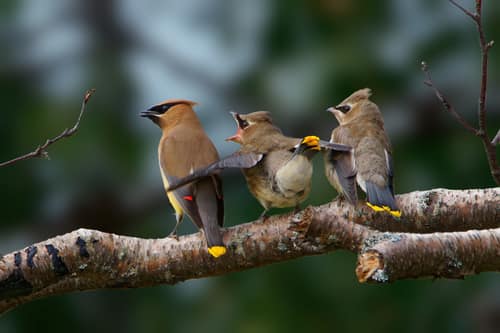
Seed Disperser (c) Christian Back, some rights reserved (CC BY), uploaded by Christian Back · cc-by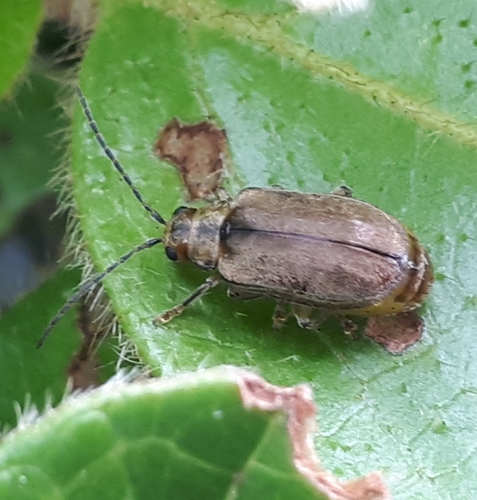
Pest (c) Céline, some rights reserved (CC BY) · cc-by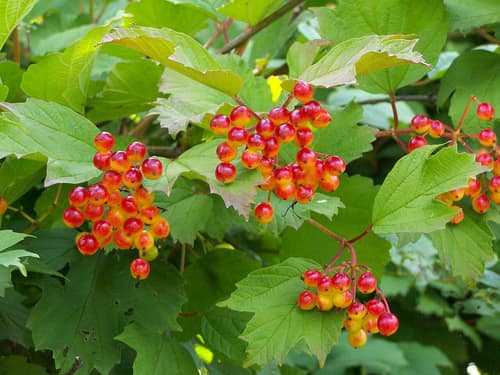
Close Relative Lestat (Jan Mehlich) / CC BY-SA 3.0 · cc-by-sa
Close Relative (c) Emily Summerbell, some rights reserved (CC BY), uploaded by Emily Summerbell · cc-by
Help improve the field guideSomething wrong?
Checking your Fauna account…Report a name, category, or profile issue for review.