
Plant
Glossy Bottlebrush
Greyia sutherlandiiAlso known as Natal Bottlebrush, Sutherland Bottlebrush, Beacon Tree
Clinging to rocky krantzes and high-altitude slopes across southern Africa, this striking small tree produces dense cylindrical racemes of brilliant scarlet flowers in late winter and early spring. The blooms open while the branches are largely leafless, creating an eye-catching beacon against rugged sandstone cliffs. A prolific nectar producer, it serves as a critical early-season sustenance station for nectar-feeding birds such as sunbirds and sugarbirds across the Drakensberg montane grasslands.
MontaneFloweringDeciduous
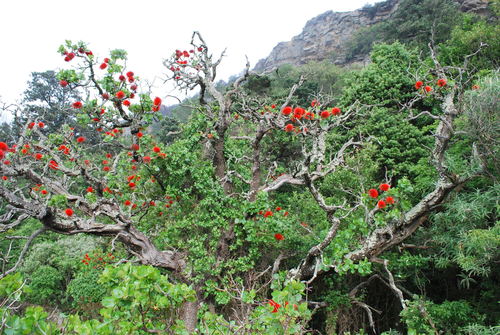
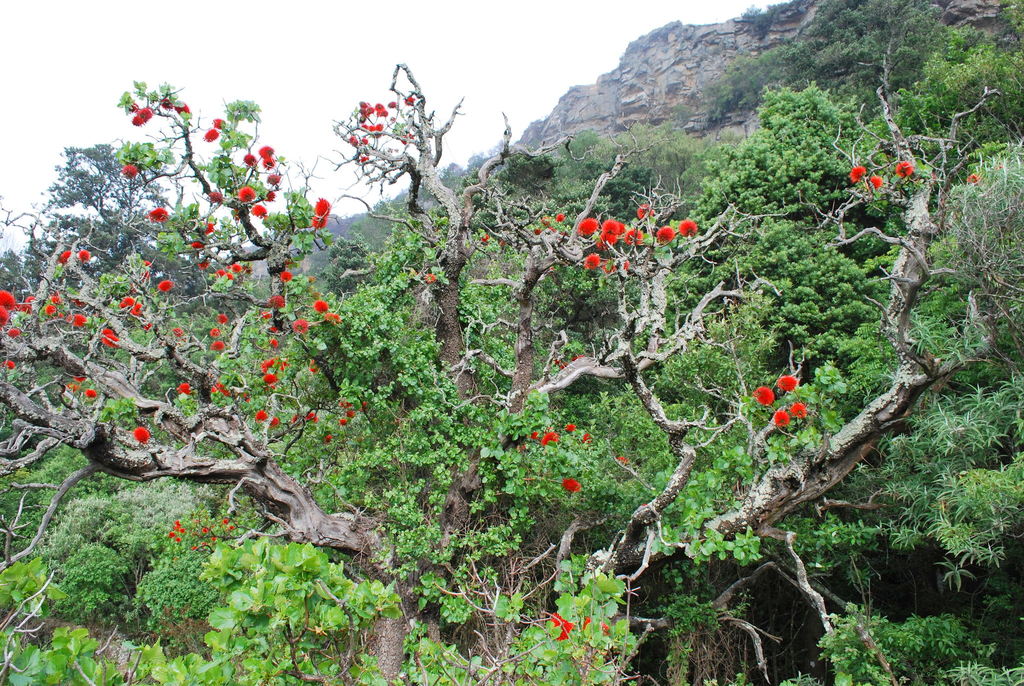
—observations
—countries
—peak records
Least ConcernConservation statusIUCN Red List categoriesLCNTVUENCREWEXLeast ConcernRed List categories, explained →
Diet & preySunlight, Water, Atmospheric carbon dioxide
Predators
- Mountain reedbuck
- Eland
- Stem-boring beetles
ThreatsFrequent out-of-season wildfires, habitat degradation, and invasive alien plants
HabitatsMontane grasslands, rocky ridges, boulder screes, cliff edges, and forest margins
Life span30–70 years
Classification
- FamilyFrancoaceae
- SpeciesGreyia sutherlandii
Range data is not available yet.
Interaction riskLow
- Low
- Moderate
- High
- Very high
- Why interaction risk is low
- Safe to observe at a normal distance.
Responsible observation
- Timing: Look for peak scarlet blooms between August and November before the leaves emerge.
- Birdwatching: Stake out blooming trees at sunrise to spot feeding sunbirds and sugarbirds.
- Habitat: Scan steep sandstone crags and rocky ridgelines where fire cannot easily penetrate.
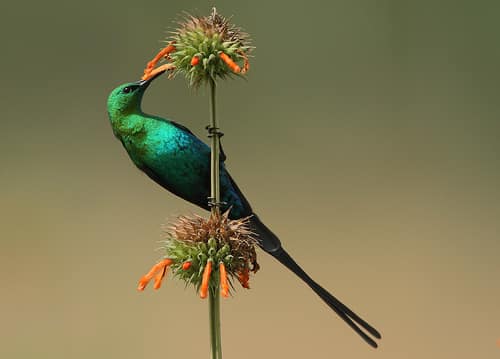
Pollinator (c) Steve Garvie, some rights reserved (CC BY-SA) · cc-by-sa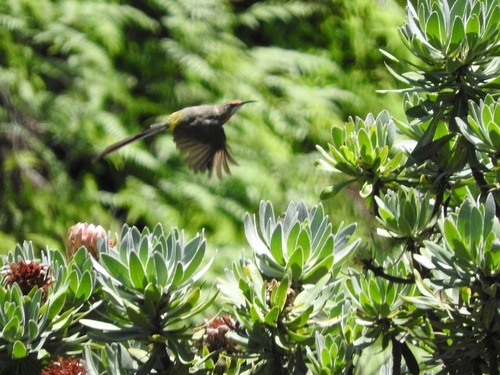
Pollinator (c) Noeleen du Toit, some rights reserved (CC BY-SA) · cc-by-sa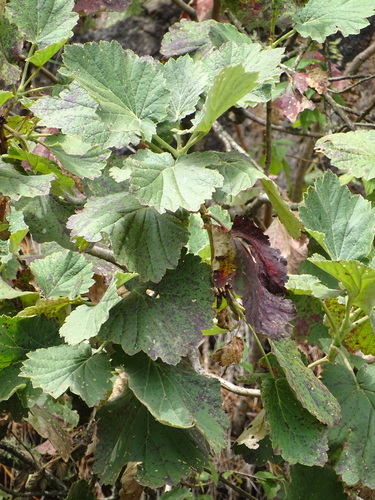
Close Relative (c) Shaun Swanepoel, some rights reserved (CC BY) · cc-by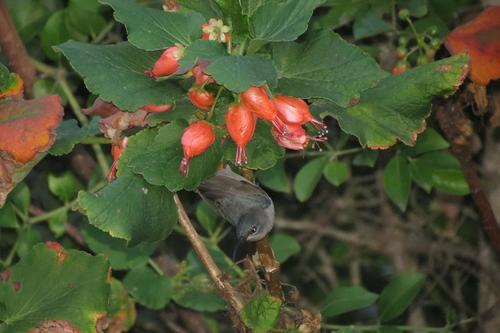
Close Relative (c) Brian du Preez, some rights reserved (CC BY-SA), uploaded by Brian du Preez · cc-by-sa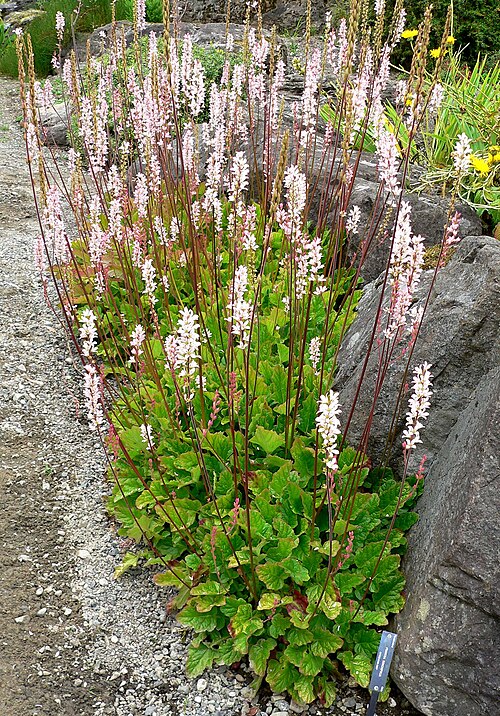
Same Family Stan Shebs / CC BY-SA 3.0 · cc-by-sa
Help improve the field guideSomething wrong?
Checking your Fauna account…Report a name, category, or profile issue for review.