
Plant
Brazilian Pepper
Schinus terebinthifoliaAlso known as Brazilian Peppertree, Florida Holly, Christmasberry Tree, Aroeira
Brazilian pepper forms sprawling, dense evergreen thickets that rapidly displace native vegetation across subtropical wetlands, coastal ridges, and disturbed corridors. Clusters of glossy crimson drupes ripen throughout autumn and winter, providing a massive food source for overwintering songbirds that inadvertently disperse the seeds. Related closely to poison ivy, its leaves and resinous sap release volatile organic compounds capable of triggering contact rashes and respiratory distress.
InvasiveEvergreenAromatic
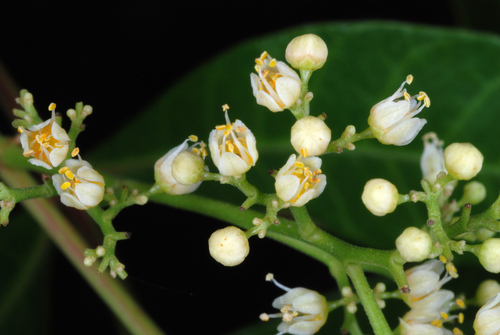
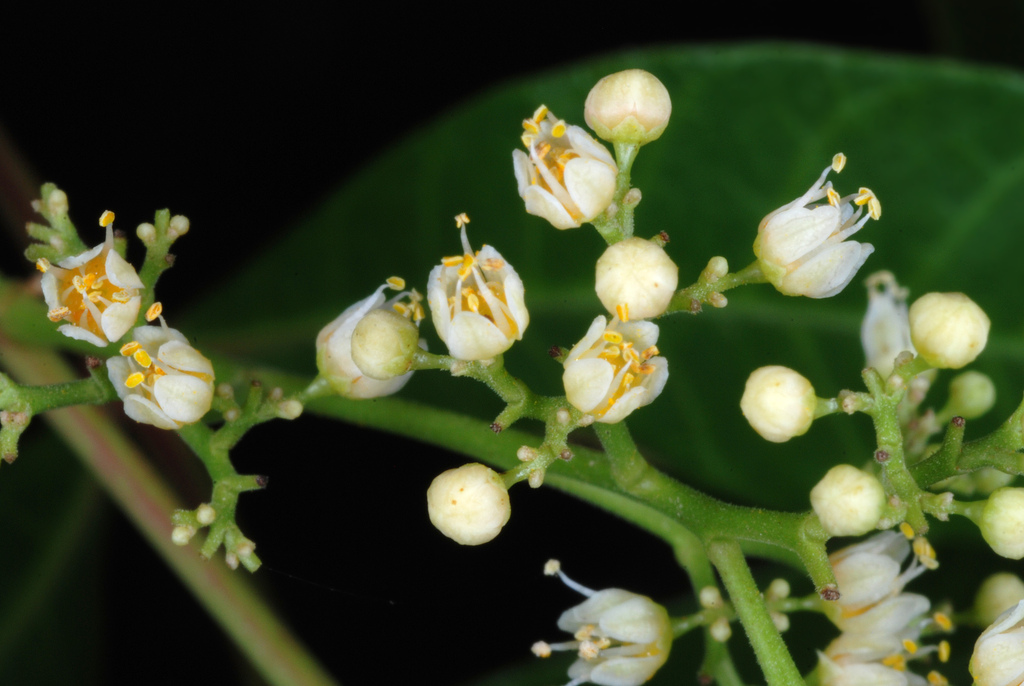
—observations
—countries
—peak records
Least ConcernConservation statusIUCN Red List categoriesLCNTVUENCREWEXLeast ConcernRed List categories, explained →
Diet & preyAutotrophic (photosynthesis)
Predators
- Brazilian Peppertree Thrips
- Yellow-rumped Warbler
- Cedar Waxwing
ThreatsTargeted herbicide applications, introduced biocontrol insects, and severe freezes
HabitatsSubtropical hammocks, disturbed roadsides, pinelands, and wetland margins
Life span30–50 years
Classification
- OrderSapindales
- FamilyAnacardiaceae
- GenusSchinus
- SpeciesSchinus terebinthifolia
Range data is not available yet.
Interaction riskHigh
- Low
- Moderate
- High
- Very high
- Why interaction risk is high
- Sap causes contact dermatitis, and wild berries have toxic look-alikes; never eat based on app identification alone.
- Why it is dangerous
- Resinous sap contains phenolic compounds related to urushiol that cause intense blistering dermatitis, eye irritation, and respiratory distress.
- How to recognize a risky encounter
- Look for alternate pinnately compound leaves with winged stems, aromatic resin, and dense winter clusters of small red drupes.
- What to do
- Wear heavy gloves and long sleeves when handling cut brush, and avoid standing downwind of wood chippers or bonfires.
Responsible observation
- Identification Clue: Crush a fallen leaf between protected fingers to detect a sharp, pungent turpentine aroma.
- Disposal Hazard: Never burn cut branches, because aerosolized sap oils inflame eyes and bronchial passages.
- Fruiting Season: Look for heavy clusters of bright red berries decorating female trees from October to February.
 Image unavailable
Herbivore 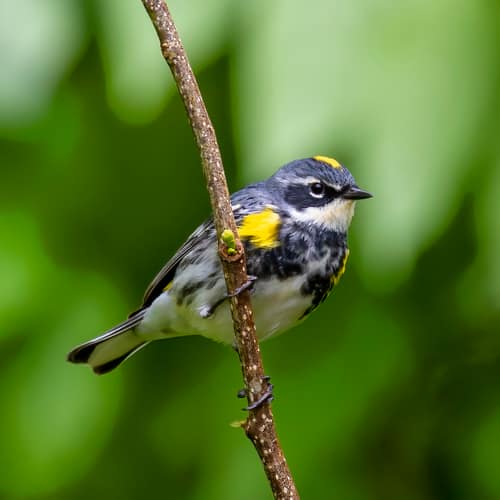
Seed Disperser (c) Dan Vickers, some rights reserved (CC BY), uploaded by Dan Vickers · cc-by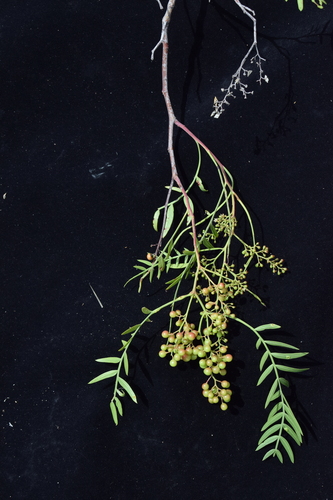
Close Relative no rights reserved · cc0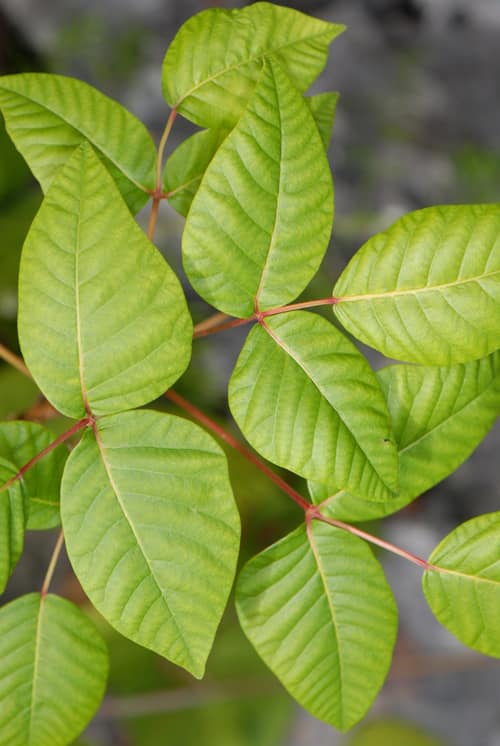
Same Family (c) Sam Fraser-Smith, some rights reserved (CC BY) · cc-by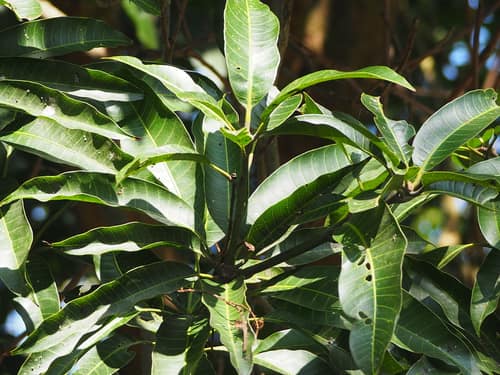
Same Family no rights reserved, uploaded by 葉子 · cc0
Help improve the field guideSomething wrong?
Checking your Fauna account…Report a name, category, or profile issue for review.