
Flower
Mandevilla splendens
Mandevilla splendensAlso known as Shining Mandevilla, Pink Allamanda
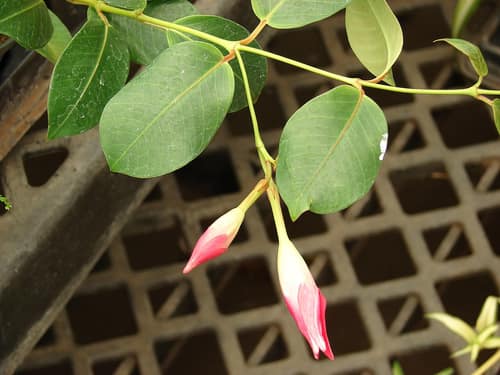
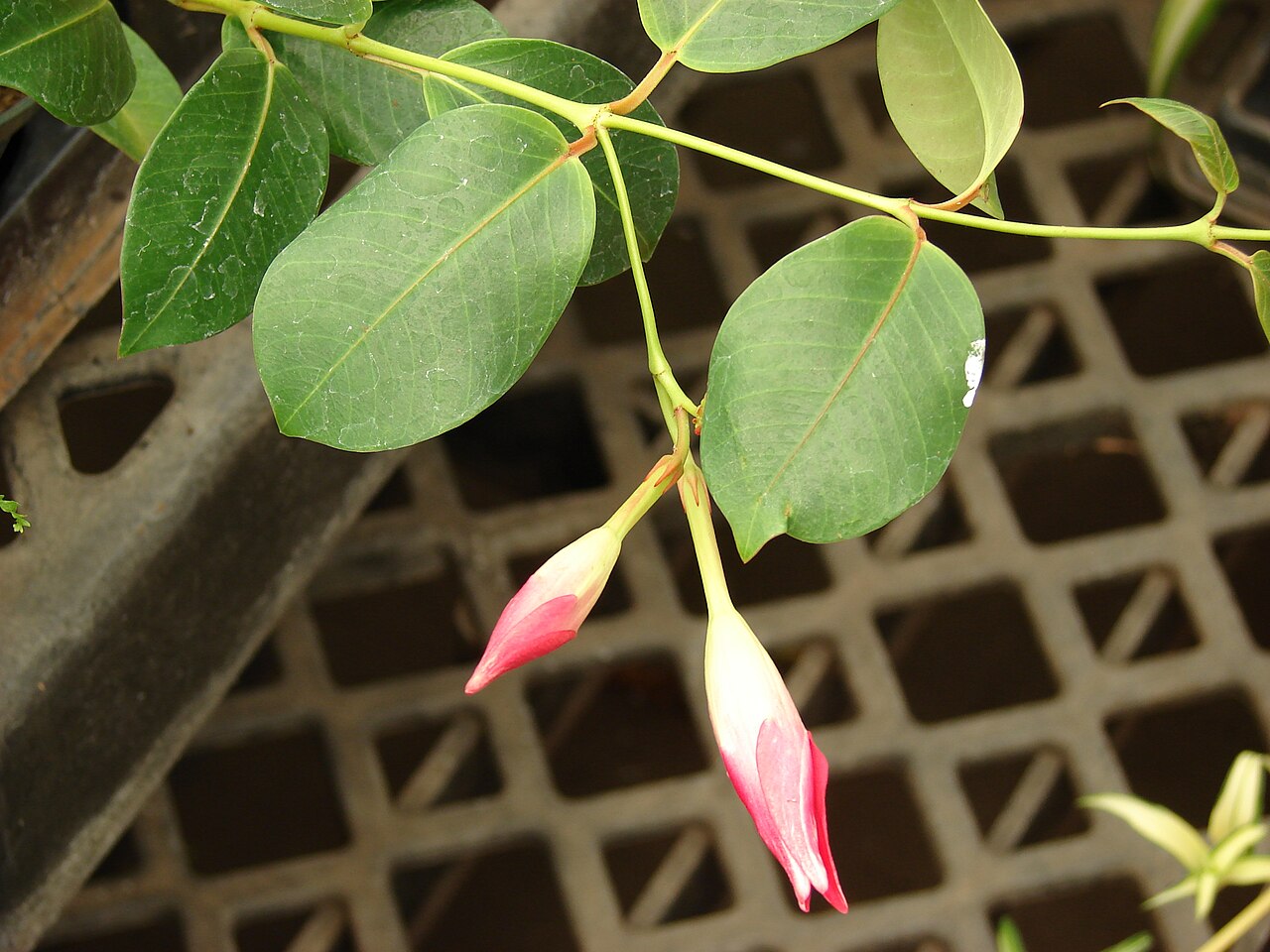
Shining mandevilla is a woody evergreen climber native to the humid coastal mountain forests of southeastern Brazil. Its glossy, dark green leaves provide a rich backdrop for trumpet-shaped pink blossoms that shift to deeper rose shades as they mature. The stems exude a milky white latex when nicked, a defensive sap characteristic of the dogbane family that deters generalist herbivores.
ClimberFloweringTropical
—observations
—countries
—peak records
Not EvaluatedConservation statusIUCN Red List categoriesLCNTVUENCREWEXNot Evaluated — not placed on the risk ladderRed List categories, explained →
Diet & preyPhotoautotroph (sunlight, water, atmospheric carbon dioxide, soil minerals)
Predators
- Spider Mites
- Aphids
- Mealybugs
ThreatsHabitat loss from coastal development and deforestation in the Atlantic Forest biome
HabitatsTropical rainforest edges, coastal mountain slopes, and disturbed forest margins
Life span10–20 years
Classification
- OrderGentianales
- FamilyApocynaceae
- GenusMandevilla
- SpeciesMandevilla splendens
Range data is not available yet.
Interaction riskHigh
- Low
- Moderate
- High
- Very high
- Why interaction risk is high
- Sap causes mild skin irritation and is mildly toxic to pets if chewed; wear gloves when handling.
- Why it is dangerous
- Milky latex contains diterpenoid compounds and resols that trigger contact dermatitis and cause digestive irritation if swallowed by pets.
- How to recognize a risky encounter
- Look for glossy elliptic leaves and trumpet-shaped pink flowers on twining woody stems that leak milky sap when broken.
- What to do
- Wash hands with soap and warm water after pruning; keep cuttings away from domestic pets.
Responsible observation
- Pruning Care: Wear gardening gloves to avoid direct skin contact with the irritating white latex.
- Trellis Support: Provide sturdy wires or vertical lattice to help twining stems climb naturally.
- Pet Safety: Position climbing foliage well out of reach of curious dogs and cats.
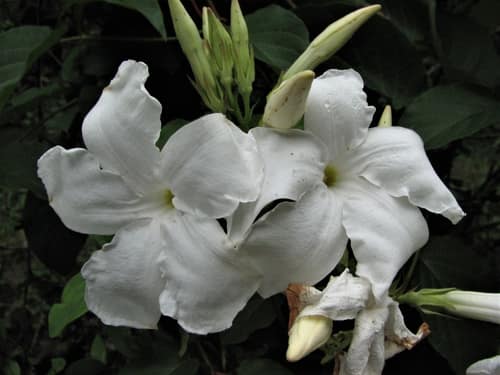
Close Relative (c) Peter L Achuff, some rights reserved (CC BY), uploaded by Peter L Achuff · cc-by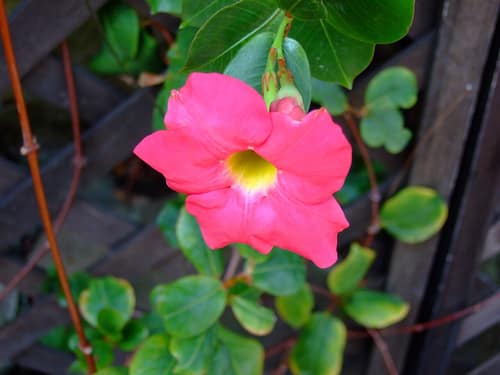
Close Relative 日:Jnn / CC BY 2.1 jp · cc-by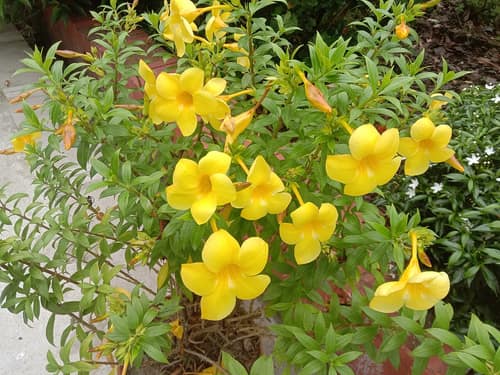
Same Family Billjones94 / CC BY-SA 4.0 · cc-by-sa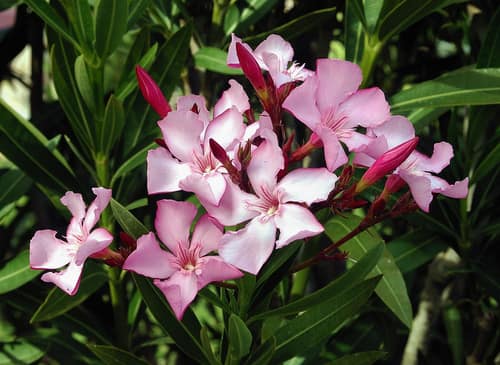
Same Family Alvesgaspar / CC BY 2.5 · cc-by
Help improve the field guideSomething wrong?
Checking your Fauna account…Report a name, category, or profile issue for review.