
Plant · GBIF taxon 3604671
Spade-leaf Philodendron
Philodendron domesticumAlso known as Spadeleaf Philodendron, Elephant Ear Philodendron, Burgundy Philodendron
Spadeleaf philodendrons produce large, arrow-shaped leaves that stretch upward on stout petioles to capture indirect light in tropical understories. As climbing hemiepiphytes, they anchor to host trees using aerial roots while maintaining nutritional contact with rich forest soils. Although best known as durable houseplants, mature outdoor specimens can produce compact tropical inflorescences consisting of a spadix enclosed by a colorful spathe.
TropicalFoliageEvergreen
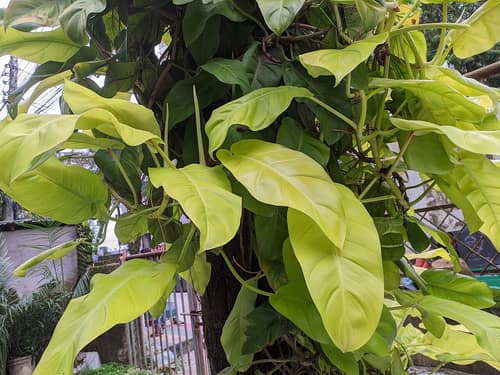
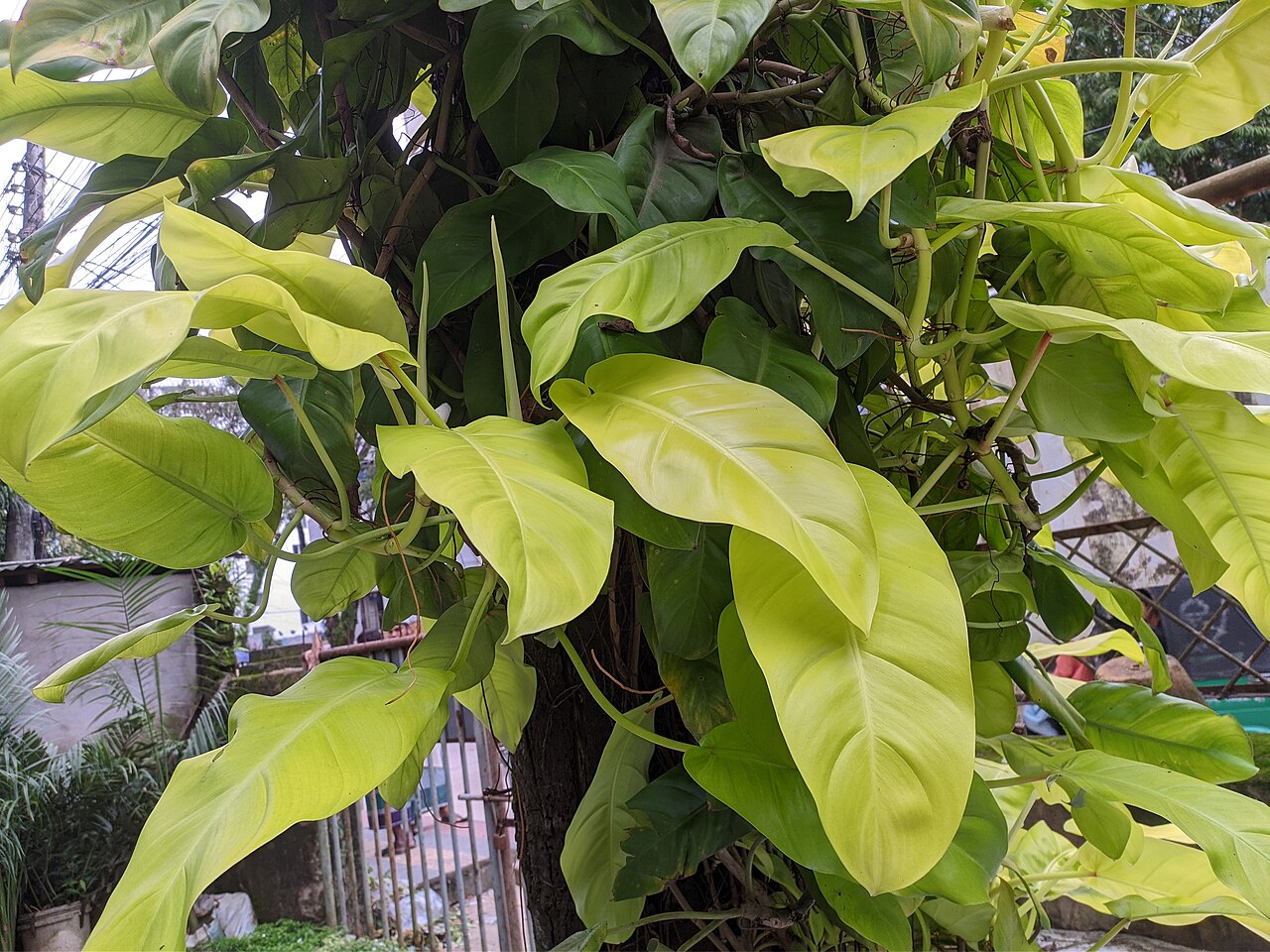
Licensed referenceAlbeitPK / CC BY-SA 4.0 · cc-by-sa
—observations
—countries
—peak records
Not EvaluatedConservation statusIUCN Red List categoriesLCNTVUENCREWEXNot Evaluated — not placed on the risk ladderRed List categories, explained →
Diet & prey
- Autotrophic (Photosynthesis)
Predators
Not available
ThreatsDeforestation, severe frost, root rot from overwatering
HabitatsTropical rainforest understories, humid cloud forests, cultivated gardens
Life spanIndefinite (decades with proper care)
Size / weightNot available
Classification
- OrderAlismatales
- FamilyAraceae
- GenusPhilodendron
- SpeciesPhilodendron domesticum
Range data is not available yet.
Interaction riskHigh
- Low
- Moderate
- High
- Very high
- Why interaction risk is high
- Contains insoluble calcium oxalate crystals; toxic to humans and pets if chewed or swallowed.
- Why it is dangerous
- Plant tissues contain microscopic calcium oxalate crystals that cause immediate burning, oral swelling, drooling, and vomiting when chewed.
- How to recognize a risky encounter
- Recognizable by glossy, dark green, arrow-shaped leaves up to half a meter long on thick climbing stems.
- What to do
- Wear gloves when cutting or propagating to avoid sap irritation, and keep away from children and pets.
Responsible observation
- Lighting Needs: Position in bright, indirect light to encourage bold leaf size without leaf scorching.
- Watering Frequency: Allow the top few centimeters of soil to dry out fully between waterings to protect roots.
- Pet Precaution: Place on high shelves or hanging mounts out of reach of curious cats and dogs.
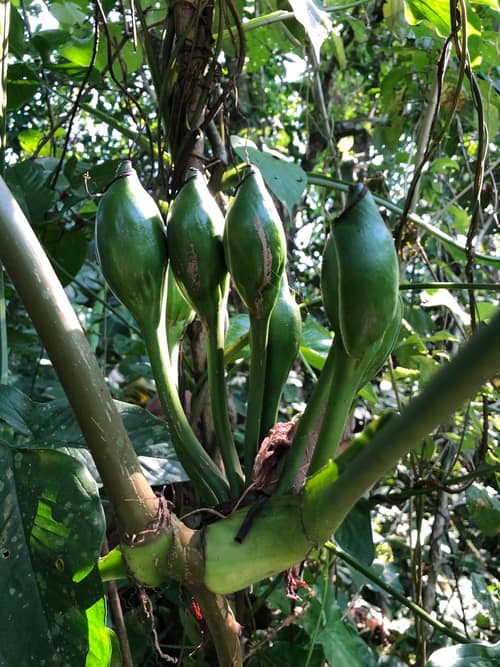
Ecological Look-alike (c) Skjold Søndergaard, some rights reserved (CC BY), uploaded by Skjold Søndergaard · cc-by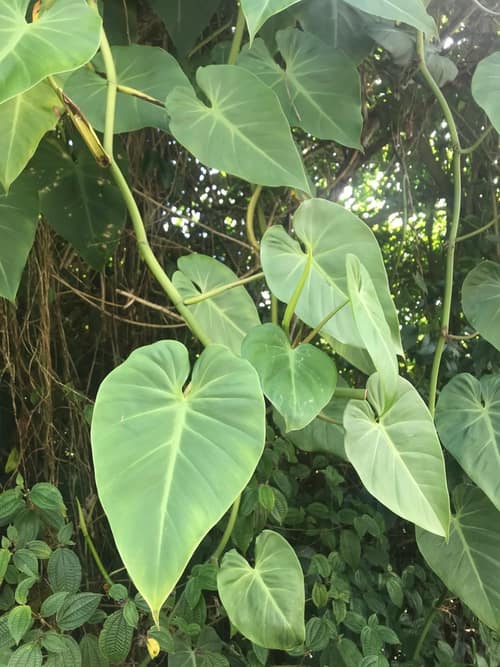
Close Relative (c) Brittany Savoie, some rights reserved (CC BY), uploaded by Brittany Savoie · cc-by
Family Member (c) Jacqui Geux, some rights reserved (CC BY), uploaded by Jacqui Geux · cc-by
Keep collecting in Fauna
Found in Collections
Species set Pro
Windowsill Flora
Spade-leaf Philodendron is found in this collection. Identify it in Fauna to fill this slot and continue your progress.
Unlock to track progress
Help improve the field guideSomething wrong?
Checking your Fauna account…Report a name, category, or profile issue for review.