
Fungus · GBIF taxon 3367713
Eastern Black Trumpet
Craterellus fallaxAlso known as Black Trumpet, Horn of Plenty, Fall Black Trumpet
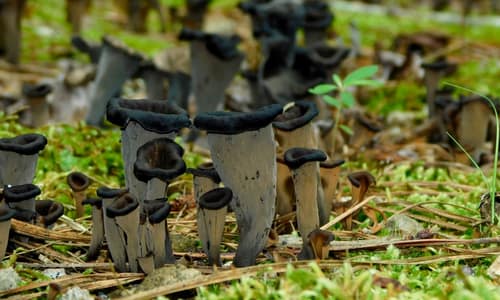
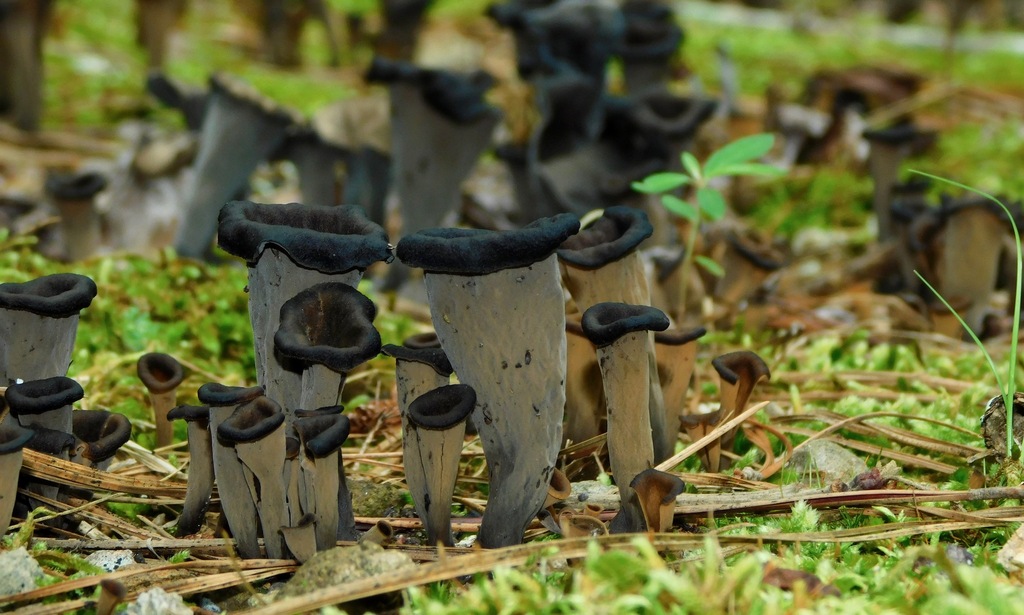
Eastern black trumpets emerge in summer and autumn along mossy banks, broadleaf forests, and hardwood drainages across Eastern North America. These mycorrhizal fungi form intricate subterranean networks with oak and beech roots, producing fragrant, horn-shaped fruiting bodies that blend seamlessly into fallen leaf litter. Their dark, vase-like caps feature a smooth to slightly wrinkled outer surface that releases bright orange to yellow-orange spores.
FungusMycorrhizalForest Floor
—observations
—countries
—peak records
Not EvaluatedConservation statusIUCN Red List categoriesLCNTVUENCREWEXNot Evaluated — not placed on the risk ladderRed List categories, explained →
Diet & prey
- Mycorrhizal (symbiotic with hardwood tree roots)
Predators
- Slugs
- Fungus Gnats
- Squirrels
ThreatsHabitat loss and soil compaction
HabitatsDeciduous broadleaf forests, mossy banks, and hardwood drainages
Life spanFruiting bodies persist for 1 to 2 weeks; subterranean mycelium lives indefinitely
Size / weightNot available
Classification
- FamilyHydnaceae
- SpeciesCraterellus fallax
Range data is not available yet.
Interaction riskLow
- Low
- Moderate
- High
- Very high
- Why interaction risk is low
- Many wild fungi have toxic look-alikes; never eat wild mushrooms based on app identification alone.
Responsible observation
- Spotting Cues: Look closely at damp moss patches and beech-oak leaf litter where dark caps easily blend in.
- Spore Print: Dusting dark caps onto paper yields a distinctive yellow to orange-peach spore print.
- Ethical Viewing: Tread carefully near mossy banks to avoid damaging delicate underground mycelial networks.
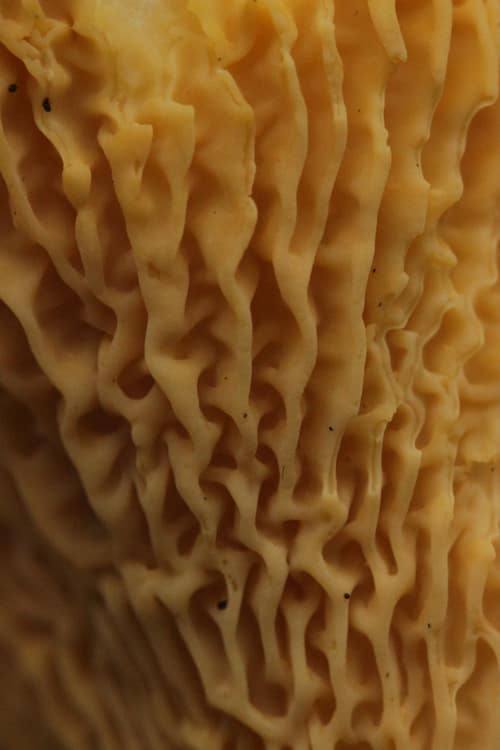
Order Member (c) Björn S..., some rights reserved (CC BY-SA) · cc-by-sa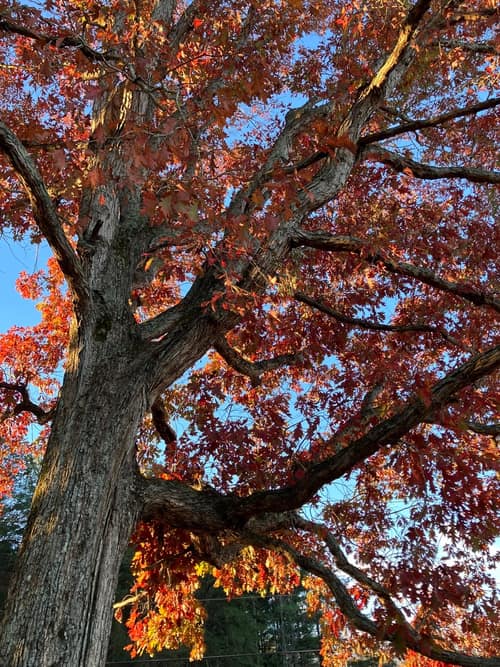
Mycorrhizal Partner (c) Alicia Ballard, some rights reserved (CC BY) · cc-by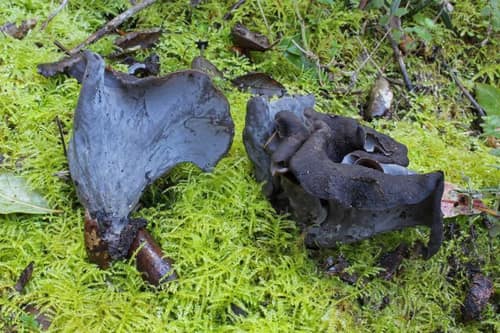
European Relative (c) Davide Puddu, some rights reserved (CC BY), uploaded by Davide Puddu · cc-by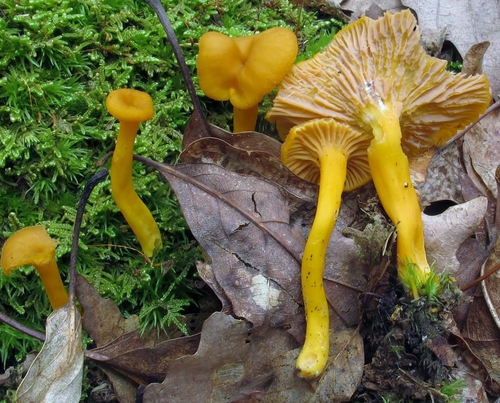
Close Relative (c) mycowalt, some rights reserved (CC BY-SA), uploaded by mycowalt · cc-by-sa
Help improve the field guideSomething wrong?
Checking your Fauna account…Report a name, category, or profile issue for review.