
Fungus
Pocket-stalked Russula
Russula cerolensAlso known as Pocket-stalked Brittlegill
Pocket-stalked russulas partner with both conifers and broadleaf hardwoods across western North America, exchanging soil nutrients for tree sugars in a classic mycorrhizal union. The mushroom is readily recognized by its dull amber-brown cap, brittle chalk-like consistency, and an unpleasant oily or burnt-rubber scent. Slicing the pale stem vertically exposes hollow cavities or irregular pockets, an adaptation that gives this woodland fungus its common name.
FungusMycorrhizalWoodland


—observations
—countries
—peak records
Least ConcernConservation statusIUCN Red List categoriesLCNTVUENCREWEXLeast ConcernRed List categories, explained →
Diet & preyMycorrhizal
Predators
- Pacific banana slug
- Fungus gnat larvae
- Red-backed vole
ThreatsHabitat loss from logging, severe wildfires, and ground soil compaction
HabitatsTemperate coniferous and mixed hardwood forests
Life spanMushroom caps persist 4–10 days; mycelium persists indefinitely
Classification
- OrderRussulales
- FamilyRussulaceae
- GenusRussula
- SpeciesRussula cerolens
Range data is not available yet.
Interaction riskHigh
- Low
- Moderate
- High
- Very high
- Why interaction risk is high
- Many wild fungi contain toxins and have look-alikes; never eat wild mushrooms based on app identification alone.
- Why it is dangerous
- Likely contains acrid sesquiterpene compounds common to foetid Russula species that induce severe nausea, vomiting, and abdominal cramps.
- How to recognize a risky encounter
- Look for a dull yellowish-tan viscid cap with striate margins, brittle chalky gills, and an unpleasant waxy, rubbery smell.
- What to do
- Safe to touch and inspect in the field, but wash hands afterward and never consume wild specimens.
Responsible observation
- Check the scent: Gently scratch the cap surface to notice a distinctive waxy, pungent aroma.
- Section the stipe: Slice the stem lengthwise to reveal the characteristic hollow pockets inside.
- Spore print: Rest a mature cap gill-side down on dark paper overnight to reveal pale cream spores.
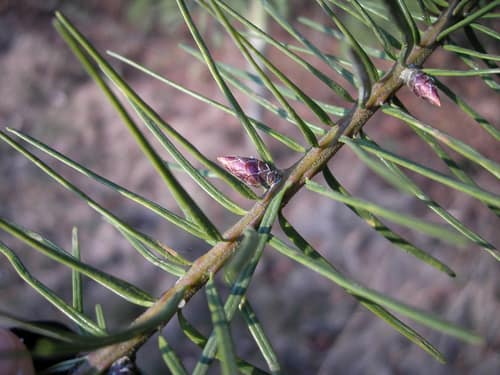
Symbiont (c) Danny Steaven, some rights reserved (CC BY-SA) · cc-by-sa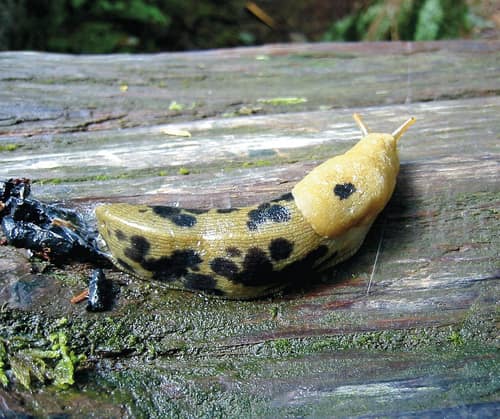
Predator Thomas Schoch / CC BY-SA 2.5 · cc-by-sa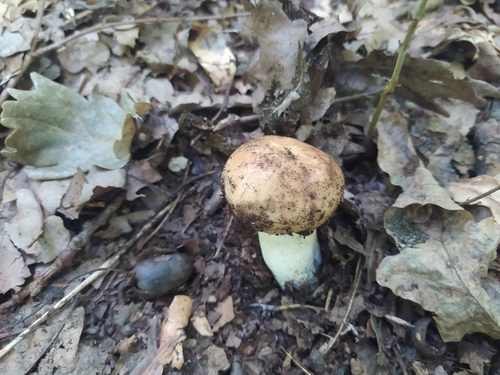
Close Relative (c) Анна Кириченко, some rights reserved (CC BY) · cc-by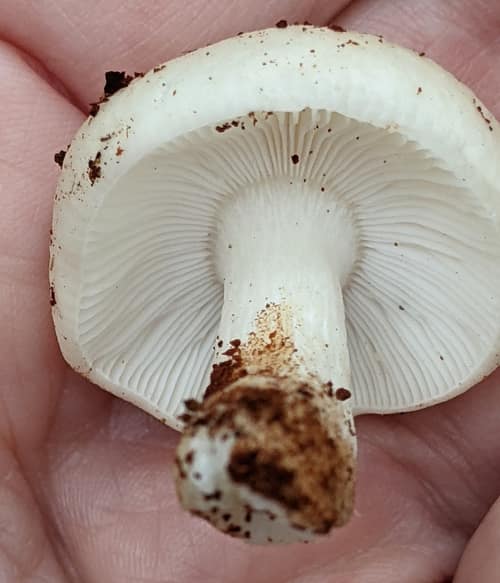
Close Relative (c) Sharon Squazzo, some rights reserved (CC BY), uploaded by Sharon Squazzo · cc-by
Help improve the field guideSomething wrong?
Checking your Fauna account…Report a name, category, or profile issue for review.