
Fungus
Strobilomyces confusus
Strobilomyces confususAlso known as Confusing Old Man of the Woods
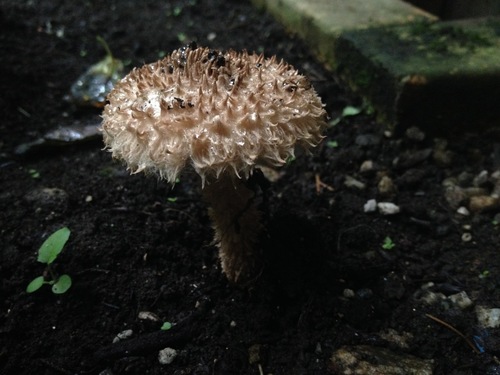
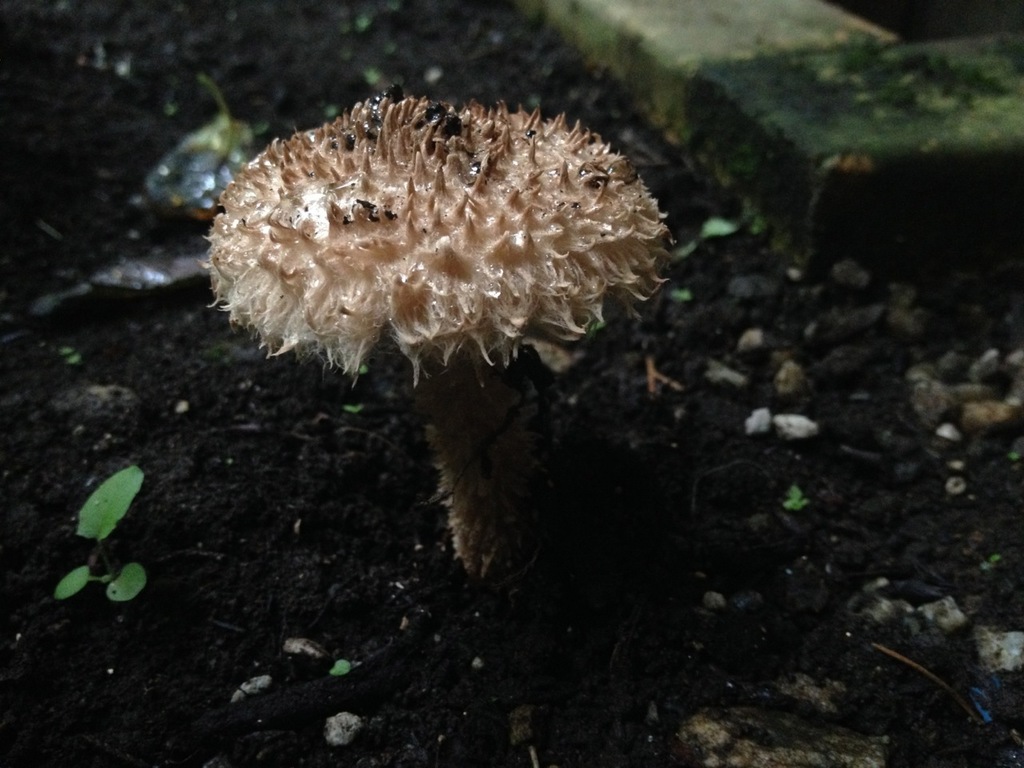
Confusing Old Man of the Woods stands out on the forest floor with its charcoal grey cap covered in stiff, upright, pyramid-like scales. When sliced or bruised, its pale interior flesh undergoes a dramatic color shift, turning bright pinkish red before darkening to solid black. It forms mutualistic mycorrhizal partnerships with oak and beech trees across eastern North America and parts of Asia.
FungusWoodlandMycorrhizal
—observations
—countries
—peak records
Least ConcernConservation statusIUCN Red List categoriesLCNTVUENCREWEXLeast ConcernRed List categories, explained →
Diet & preyTree root carbohydrates, Soil minerals
Predators
- Fungus gnats
- Slugs
- Squirrels
ThreatsDeforestation and severe soil compaction
HabitatsDeciduous and mixed woodlands, especially under oak and beech
Life spanFruiting bodies persist 1–2 weeks; mycelium lives for decades
Classification
- FamilyBoletaceae
- SpeciesStrobilomyces confusus
Range data is not available yet.
Interaction riskLow
- Low
- Moderate
- High
- Very high
- Why interaction risk is low
- Many wild mushrooms have toxic look-alikes; never eat wild fungi based on app identification alone.
Responsible observation
- Examine the Scales: Look closely at the cap scales to see if they are stiff and spiky rather than soft and woolly.
- Observe Staining: Slice the cap flesh to watch it turn from pale to reddish pink, then charcoal black over several minutes.
- Look for Host Trees: Search around mature oak and beech trees on well-shaded forest floors.
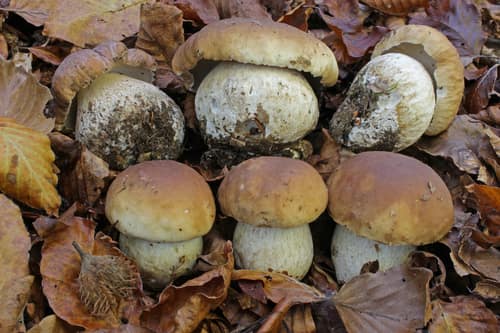
Ecological Neighbor (c) Davide Puddu, some rights reserved (CC BY), uploaded by Davide Puddu · cc-by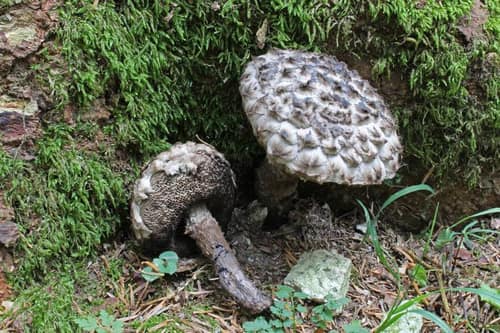
Close Relative (c) Davide Puddu, some rights reserved (CC BY), uploaded by Davide Puddu · cc-by Image unavailable
Close Relative
Help improve the field guideSomething wrong?
Checking your Fauna account…Report a name, category, or profile issue for review.