
Fungus · GBIF taxon 3347384
Termite Mushroom
Termitomyces fuliginosusAlso known as Blackish Termite Mushroom, Termite Mound Fungus
Termite mushrooms maintain an extraordinary symbiotic relationship with subterranean termites, growing directly from fungal comb gardens inside active termitaria. A long, taproot-like pseudorhiza extends deep into the soil to anchor the fruiting body to the nest below. During rainy seasons, dark-capped mushrooms emerge in clusters around termite mounds across tropical regions.
SymbioticMound-dwellingTropical Fungus
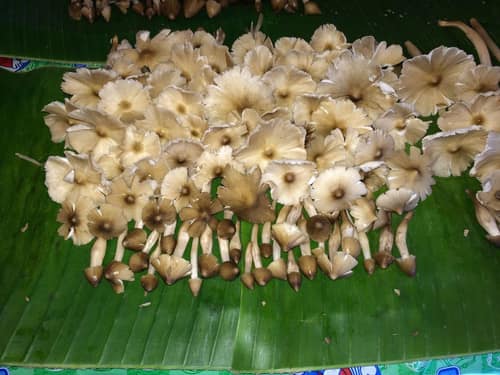
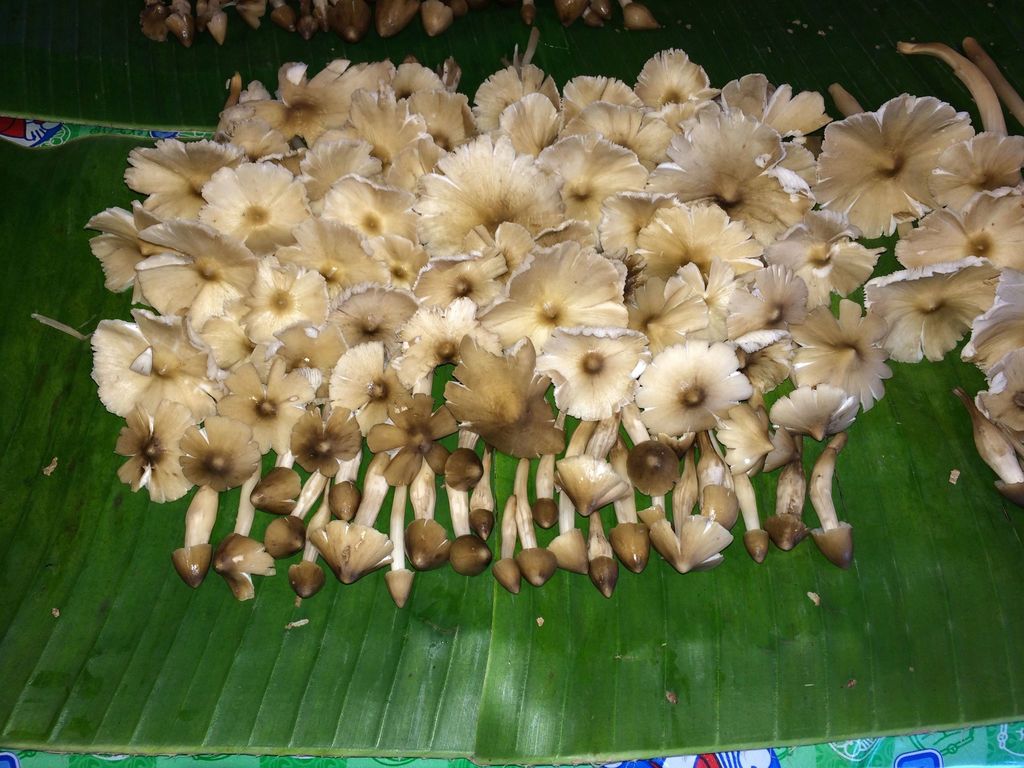
—observations
—countries
—peak records
Not EvaluatedConservation statusIUCN Red List categoriesLCNTVUENCREWEXNot Evaluated — not placed on the risk ladderRed List categories, explained →
Diet & prey
- Termite Excrement
- Plant Cellulose
- Lignin
Predators
- Fungus Beetles
- Slugs
- Rodents
ThreatsHabitat disruption and destruction of host termite nests
HabitatsTropical forests, wooded savannas, termite mounds
Life spanPerennial underground colony; mushrooms last 2–4 days
Size / weightNot available
Classification
- FamilyLyophyllaceae
- SpeciesTermitomyces fuliginosus
Range data is not available yet.
Interaction riskLow
- Low
- Moderate
- High
- Very high
- Why interaction risk is low
- Many wild mushrooms have toxic look-alikes; never eat wild fungi based on app identification alone.
Responsible observation
- Observation: Search near active termite mounds after heavy seasonal rainfall.
- Identification: Look for the raised central bump on the cap and deep rootlike tap.
- Photography: Capture the dark central cap papilla and its soil connection.
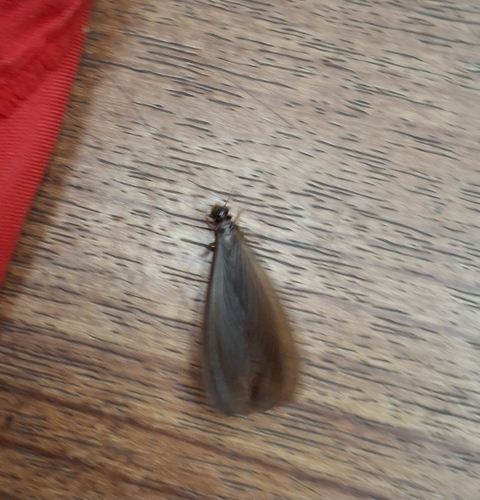
Symbiont Host (c) 簡佑丞, some rights reserved (CC BY) · cc-by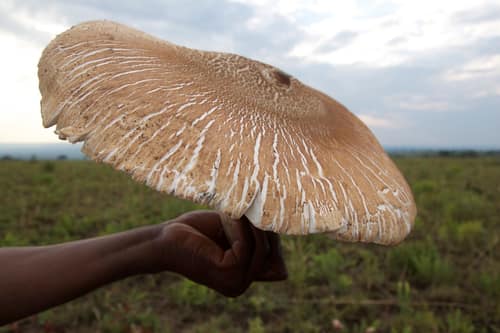
Close Relative Blimeo / CC BY-SA 4.0 · cc-by-sa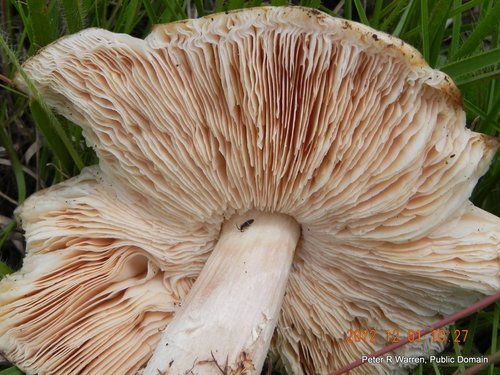
Close Relative no rights reserved, uploaded by Peter Warren · cc0
Help improve the field guideSomething wrong?
Checking your Fauna account…Report a name, category, or profile issue for review.