
Fungus
Snowy Waxcap
Cuphophyllus virgineusAlso known as White Waxcap, Cedar Waxcap
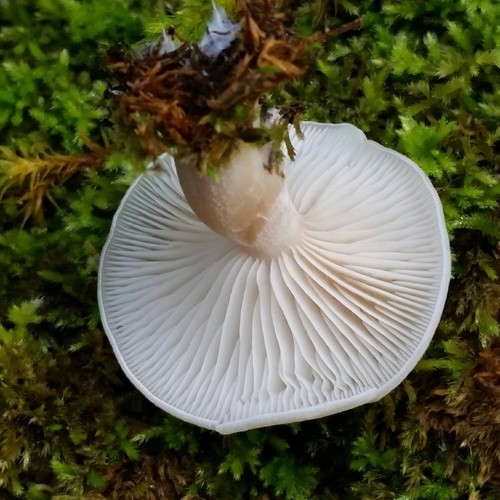
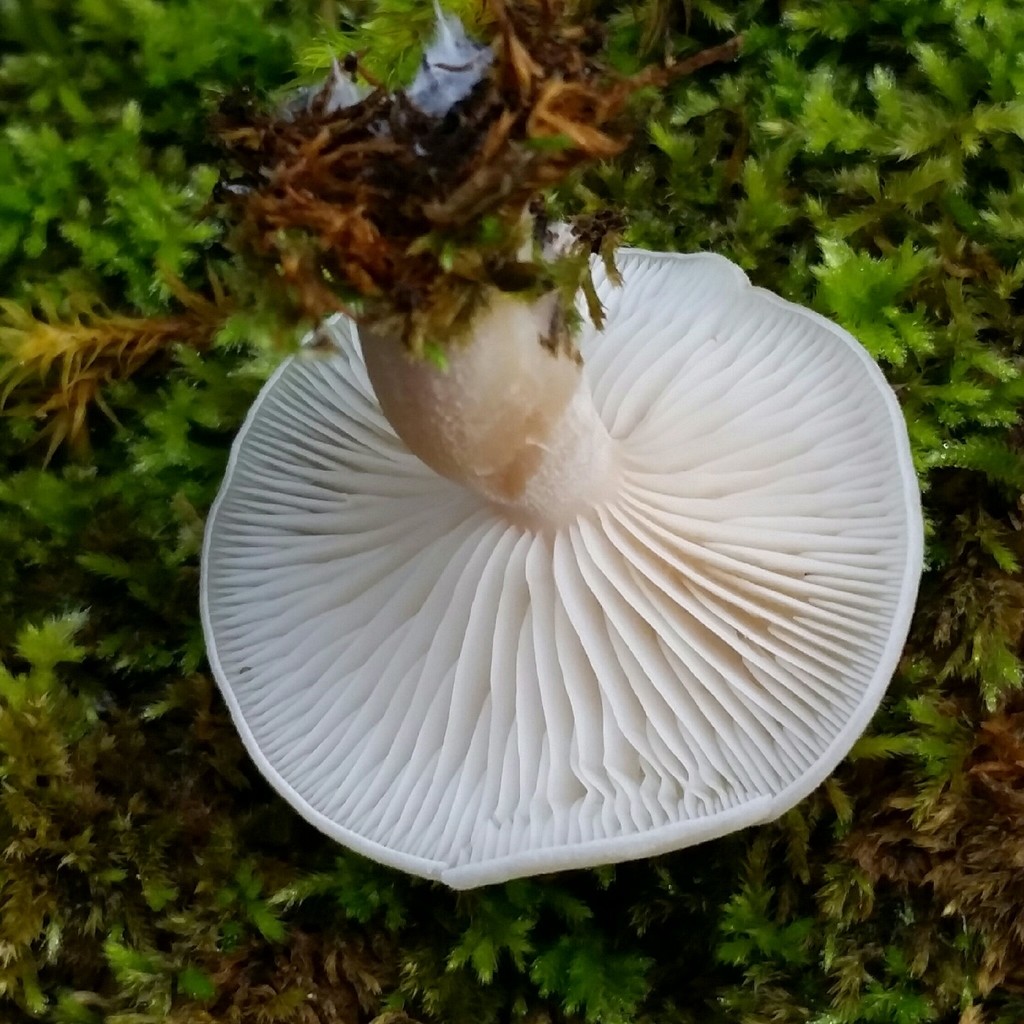
Snowy waxcaps stand out in autumn landscapes with their ivory-white caps and distinctively waxy, slippery texture when moist. These small fungi feature thick, widely spaced gills that curve deeply down the stem, giving the cap a umbrella-like profile. In Europe they are hallmark indicators of ancient, unimproved grasslands, whereas in North America and Asia they frequently sprout among leaf litter in cool temperate forests.
FungusWaxcapAutumn
—observations
—countries
—peak records
Not EvaluatedConservation statusIUCN Red List categoriesLCNTVUENCREWEXNot Evaluated — not placed on the risk ladderRed List categories, explained →
Diet & preySoil Saprotroph
Predators
- Slugs
- Fungus gnats
- Small rodents
ThreatsAgricultural fertilization, soil disturbance, and habitat loss
HabitatsUnimproved grasslands, lawns, pastures, and cool temperate woodlands
Life spanPerennial mycelium; individual mushrooms persist for 1–2 weeks
Classification
- FamilyHygrophoraceae
- SpeciesCuphophyllus virgineus
Range data is not available yet.
Interaction riskLow
- Low
- Moderate
- High
- Very high
- Why interaction risk is low
- Many wild fungi have toxic look-alikes; never eat mushrooms based on app identification alone.
Responsible observation
- Check the Gills: Look for thick, widely spaced gills that curve deeply down the stem.
- Inspect the Texture: Feel the smooth, slightly greasy or slippery cap coating when moist.
- Search Mossy Turf: Scan unfertilized, old lawns and pastures in late autumn after rain.
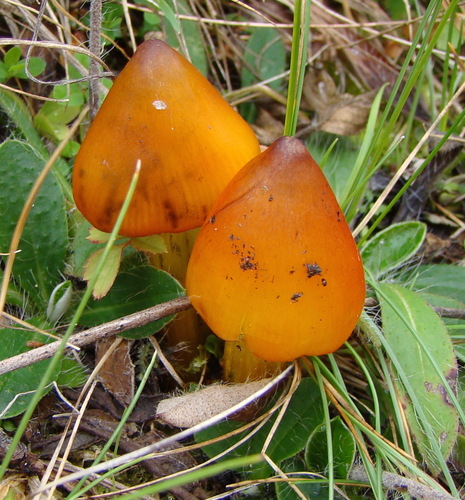
Frequent Companion (c) Lisa Bennett, some rights reserved (CC BY), uploaded by Lisa Bennett · cc-by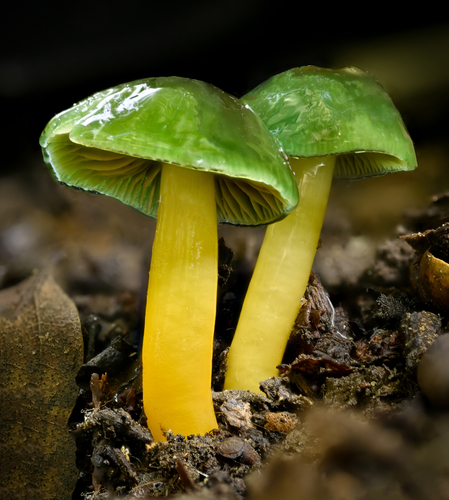
Frequent Companion (c) Alan Rockefeller, some rights reserved (CC BY), uploaded by Alan Rockefeller · cc-by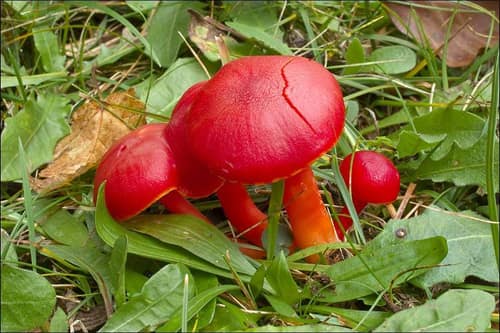
Frequent Companion This image was created by user amadej trnkoczy (amadej) at Mushroom Observer, a source for mycological images.You can contact this user here. / CC BY-SA 3.0 · cc-by-sa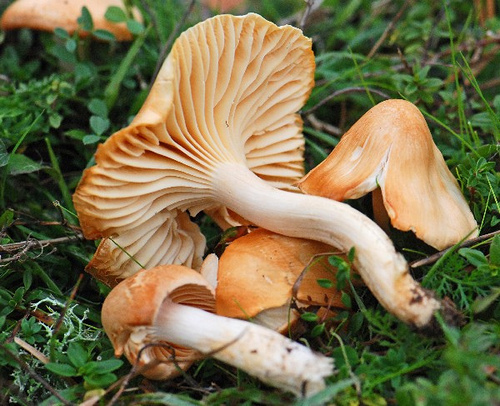
Close Relative (c) GLJIVARSKO DRUSTVO NIS, some rights reserved (CC BY) · cc-by
Help improve the field guideSomething wrong?
Checking your Fauna account…Report a name, category, or profile issue for review.