
Fungus
Witch's Hat
Hygrocybe conicaAlso known as Blackening Waxcap, Conical Wax Cap, Conical Slimy Cap
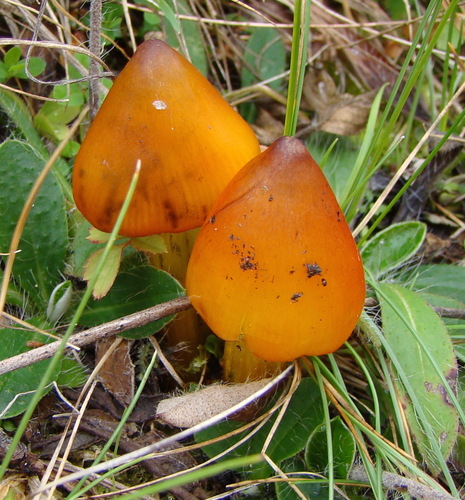
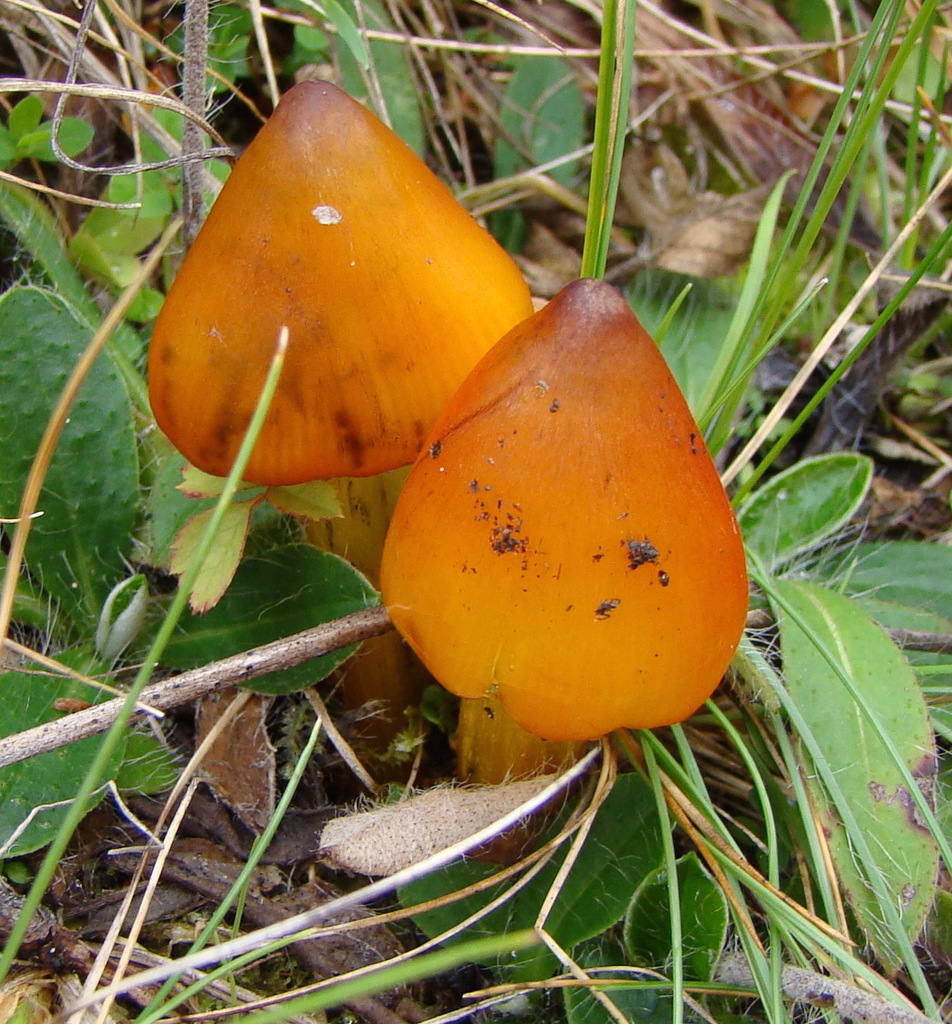
Bright scarlet, orange, or yellow conical caps make this striking fungus easy to spot in mossy lawns and unimproved grasslands. As the fruiting body matures or suffers bruising, all parts slowly oxidize to an indelible jet black. This species complex plays an important role in grassland soil ecosystems, maintaining biotrophic associations with mosses and grass root zones.
FungusWaxcapColor-Changing
—observations
—countries
—peak records
Not EvaluatedConservation statusIUCN Red List categoriesLCNTVUENCREWEXNot Evaluated — not placed on the risk ladderRed List categories, explained →
Diet & preyDecaying organic matter, Soil nutrients
Predators
- Slugs
- Snails
- Fungus gnat larvae
ThreatsAgricultural runoff, soil enrichment, habitat destruction
HabitatsUnimproved grasslands, mossy lawns, meadows, woodland edges
Life spanPerennial underground mycelium, mushrooms persist 1–2 weeks
Classification
- OrderAgaricales
- FamilyHygrophoraceae
- GenusHygrocybe
- SpeciesHygrocybe conica
Range data is not available yet.
Interaction riskHigh
- Low
- Moderate
- High
- Very high
- Why interaction risk is high
- Toxic if ingested; wild fungi have dangerous look-alikes and should never be eaten based on app identification alone.
- Why it is dangerous
- Contains toxic compounds that trigger severe gastrointestinal distress, vomiting, and diarrhea if consumed.
- How to recognize a risky encounter
- Recognizable by its distinctly pointed, conical cap that turns jet black when handled or bruised.
- What to do
- Safe to inspect and photograph up close, but keep out of reach of pets and small children.
Responsible observation
- Observe Color Changes: Watch bruised areas turn inky black over several hours without damaging the mushroom.
- Look in Ancient Grasslands: Search undisturbed lawns and cemeteries that have avoided synthetic fertilizers.
- Photograph the Gills: Capture the pale yellow to orange gills before they completely blacken with age.
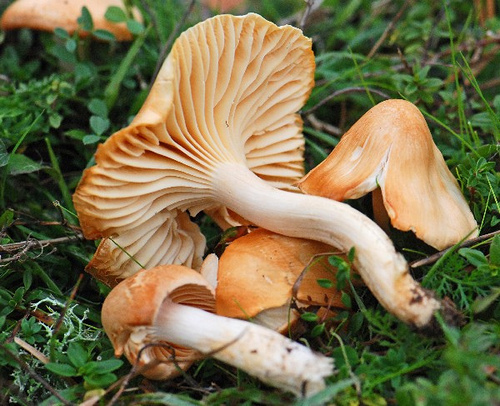
Grassland Neighbor (c) GLJIVARSKO DRUSTVO NIS, some rights reserved (CC BY) · cc-by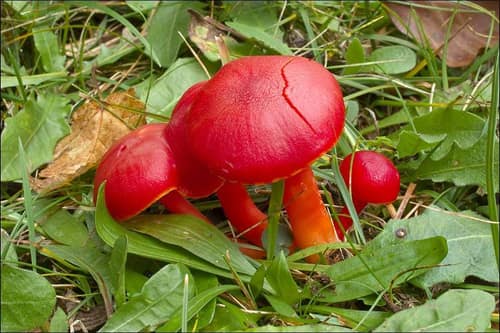
Close Relative This image was created by user amadej trnkoczy (amadej) at Mushroom Observer, a source for mycological images.You can contact this user here. / CC BY-SA 3.0 · cc-by-sa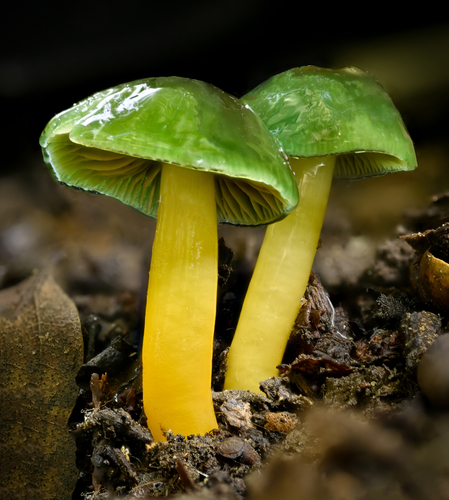
Close Relative (c) Alan Rockefeller, some rights reserved (CC BY), uploaded by Alan Rockefeller · cc-by
Keep collecting in Fauna
Found in Collections
Species set Pro
Fungi Forager
Witch's Hat is found in this collection. Identify it in Fauna to fill this slot and continue your progress.
Unlock to track progress
Help improve the field guideSomething wrong?
Checking your Fauna account…Report a name, category, or profile issue for review.