
Fungus · GBIF taxon 3339898
Arctic Puffball
Calvatia cretaceaAlso known as Polar Puffball, Tundra Puffball
Arctic puffballs thrive in high-latitude tundras and alpine winds, anchoring to rocky soil and heath with short fungal cords. Their thick, yellowish-white outer skins crack into distinctive pyramid-shaped scales that weather over time to expose a papery spore chamber underneath. Polar winds and rain collapse the mature casing, scattering millions of dark brown spores across the landscape.
FungusTundraSpore-Bearing
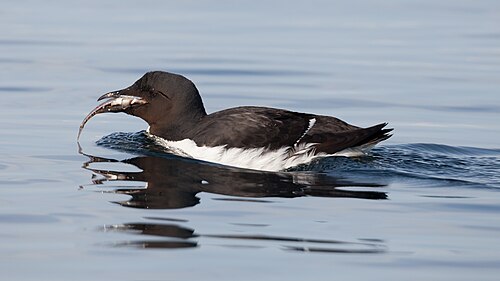
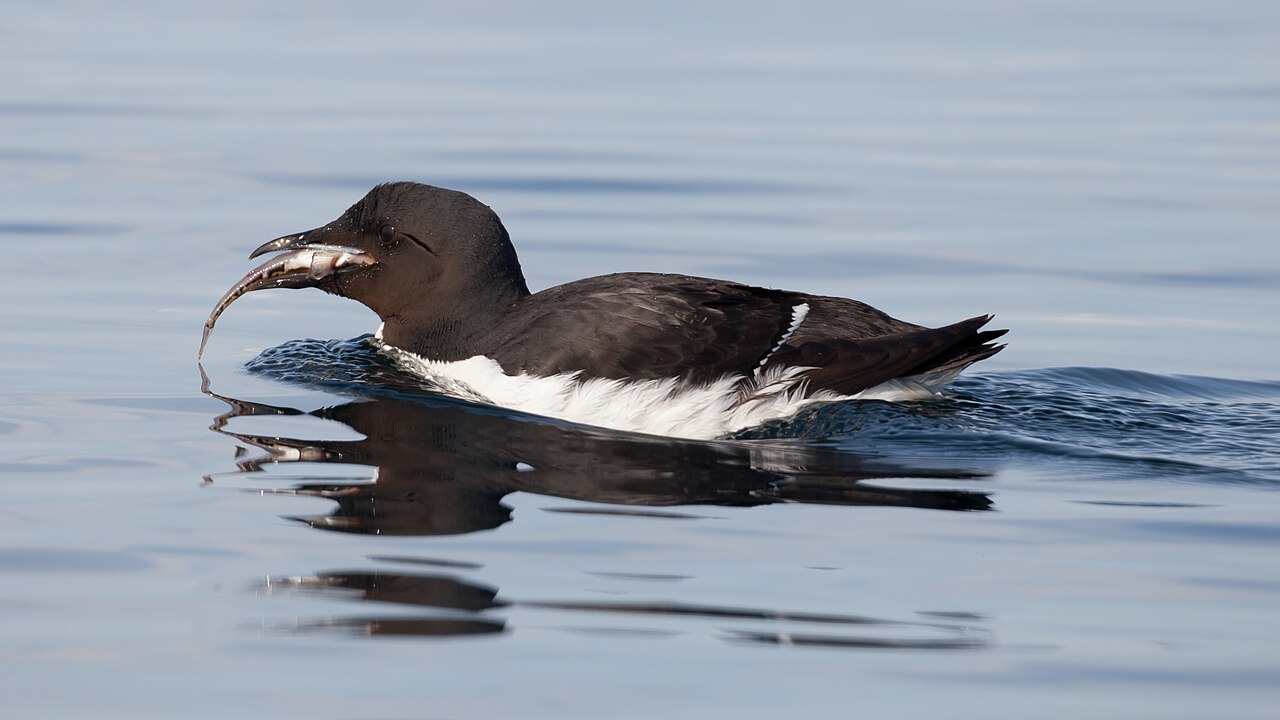
Licensed referenceAWeith / CC BY-SA 4.0 · cc-by-sa
—observations
—countries
—peak records
Not EvaluatedConservation statusIUCN Red List categoriesLCNTVUENCREWEXNot Evaluated — not placed on the risk ladderRed List categories, explained →
Diet & prey
- Decaying tundra vegetation
- Soil organic matter
Predators
- Arctic lemmings
- Insects
- Mites
ThreatsArctic warming, tundra degradation, foot traffic
HabitatsArctic tundra, alpine heath, subpolar meadows
Life spanFruiting body lasts several weeks; spores persist across seasons
Size / weightNot available
Classification
- FamilyLycoperdaceae
- SpeciesCalvatia cretacea
Range data is not available yet.
Interaction riskLow
- Low
- Moderate
- High
- Very high
- Why interaction risk is low
- Many edible mushrooms have toxic look-alikes; never eat wild fungi based on app identification alone.
Responsible observation
- Observation: Look for distinctive pyramid-shaped scales on the outer skin during polar summers.
- Spore Safety: Avoid squeezing mature dry puffballs near your face to prevent spore inhalation.
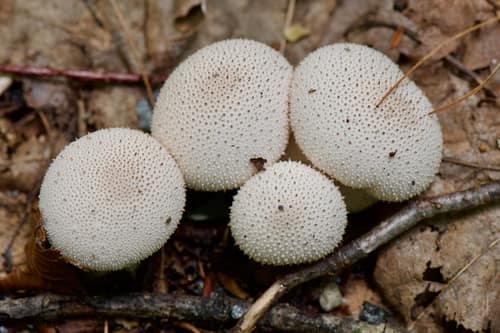
Related Puffball (c) Michael Nerrie, some rights reserved (CC BY), uploaded by Michael Nerrie · cc-by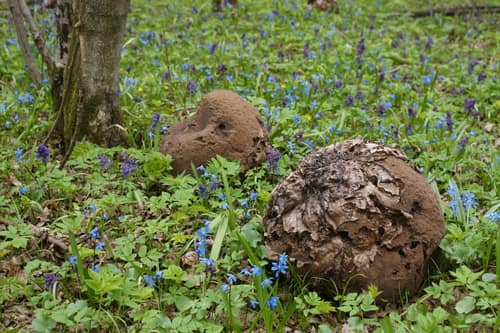
Close Relative no rights reserved, uploaded by Yehor Yatsiuk · cc0 Image unavailable
Close Relative
Help improve the field guideSomething wrong?
Checking your Fauna account…Report a name, category, or profile issue for review.