
Fungus · GBIF taxon 2536058
Puffball Mushroom
Calvatia giganteaAlso known as Giant Puffball
Giant puffballs produce some of the largest fruiting bodies in the fungal kingdom, often appearing overnight in grassy fields, pastures, and open woodlands. As the internal spore mass matures, it transforms from firm white flesh into billions of olive-brown spores released when the outer skin ruptures. These saprobic fungi play an essential role breaking down organic matter in temperate soils across the Northern Hemisphere.
Spore-BearingSaprobicField-Dwelling
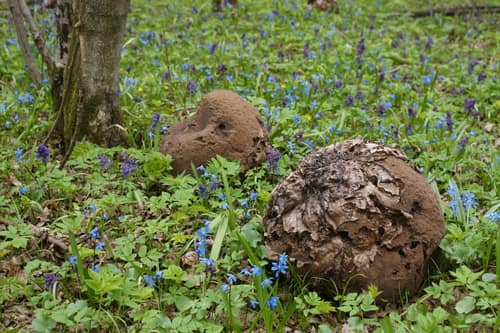
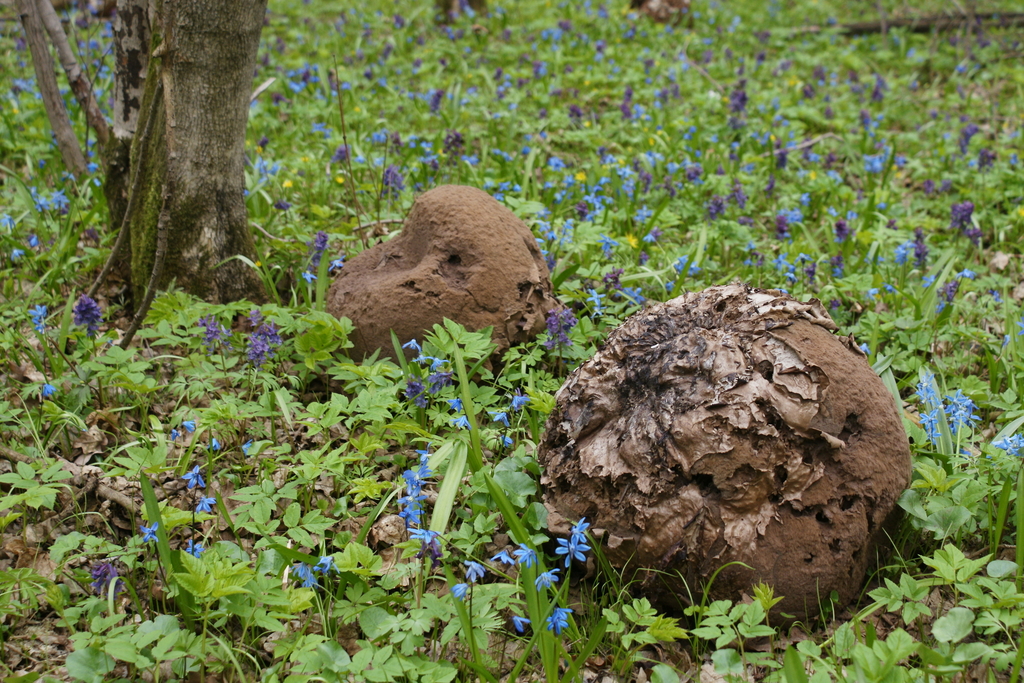
—observations
—countries
—peak records
Not EvaluatedConservation statusIUCN Red List categoriesLCNTVUENCREWEXNot Evaluated — not placed on the risk ladderRed List categories, explained →
Diet & prey
- Decaying Organic Matter
- Leaf Litter
- Soil Nitrogen
Predators
- Slugs
- Fungus Gnats
- Rodents
ThreatsHabitat destruction and lawn chemical applications
HabitatsMeadows, pastures, lawns, and deciduous woods
Life spanFruiting body lasts 1–3 weeks
Size / weightNot available
Classification
- OrderAgaricales
- FamilyLycoperdaceae
- GenusCalvatia
- SpeciesCalvatia gigantea
Range data is not available yet.
Interaction riskLow
- Low
- Moderate
- High
- Very high
- Why interaction risk is low
- Many edible mushrooms have toxic look-alikes; never eat wild fungi based on app identification alone.
Responsible observation
- Identification: Look for smooth, white, round fruiting bodies resting directly on grass in late summer or autumn.
- Spore Release: Avoid inhaling dense clouds of dry spores released when mature puffballs are stepped on or disturbed.
- Safety Precaution: Never ingest wild fungi based on digital identification, as dangerous species can share similar early growth stages.
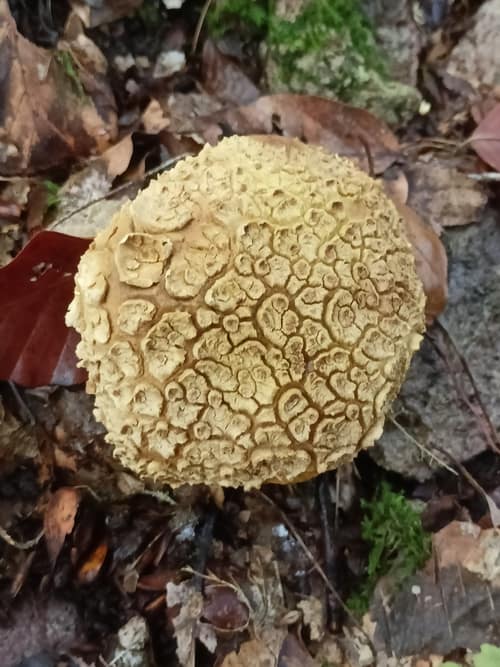
Toxic Look-Alike (c) Malte Krömer, some rights reserved (CC BY), uploaded by Malte Krömer · cc-by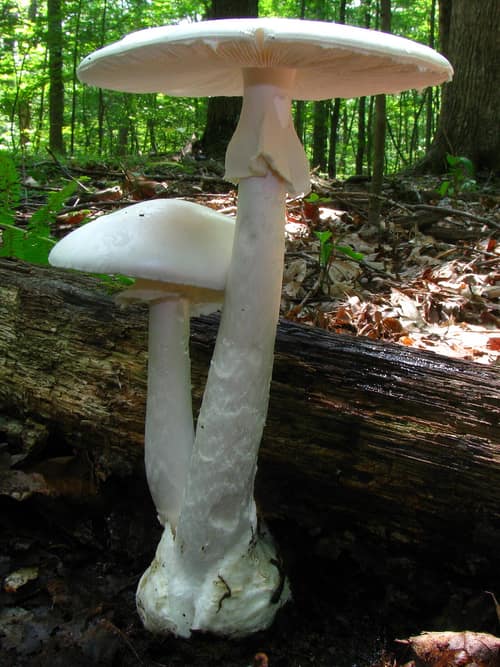
Deadly Look-Alike Dan Molter (shroomydan) / CC BY-SA 3.0 · cc-by-sa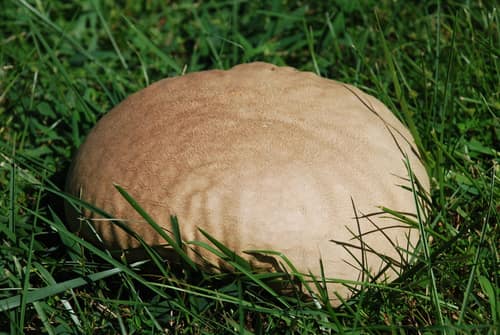
Close Relative (c) Douglas Goldman, some rights reserved (CC BY-SA), uploaded by Douglas Goldman · cc-by-sa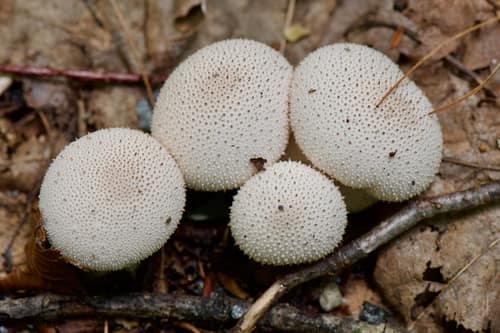
Close Relative (c) Michael Nerrie, some rights reserved (CC BY), uploaded by Michael Nerrie · cc-by
Keep collecting in Fauna
Found in Collections
Species set Pro
Fungi Forager
Puffball Mushroom is found in this collection. Identify it in Fauna to fill this slot and continue your progress.
Unlock to track progress
Help improve the field guideSomething wrong?
Checking your Fauna account…Report a name, category, or profile issue for review.