
Fungus · GBIF taxon 3317061
Petticoat Mottlegill
Panaeolus papilionaceusAlso known as Bell-capped Mottlegill, Petticoat Mushroom
Petticoat mottlegills sprout directly from herbivore dung or richly manured soil in damp pastures and grassy fields. Their dark grey gills mature unevenly to produce a characteristic mottled pattern, while delicate white tooth-like veil fragments fringe the bell-shaped cap rim. As active saprotrophs, these widespread fungi accelerate the breakdown of organic waste and return critical nutrients to pastoral soils.
CoprophilousPastureMottled Gills
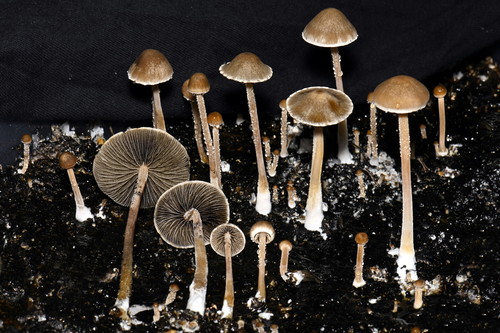
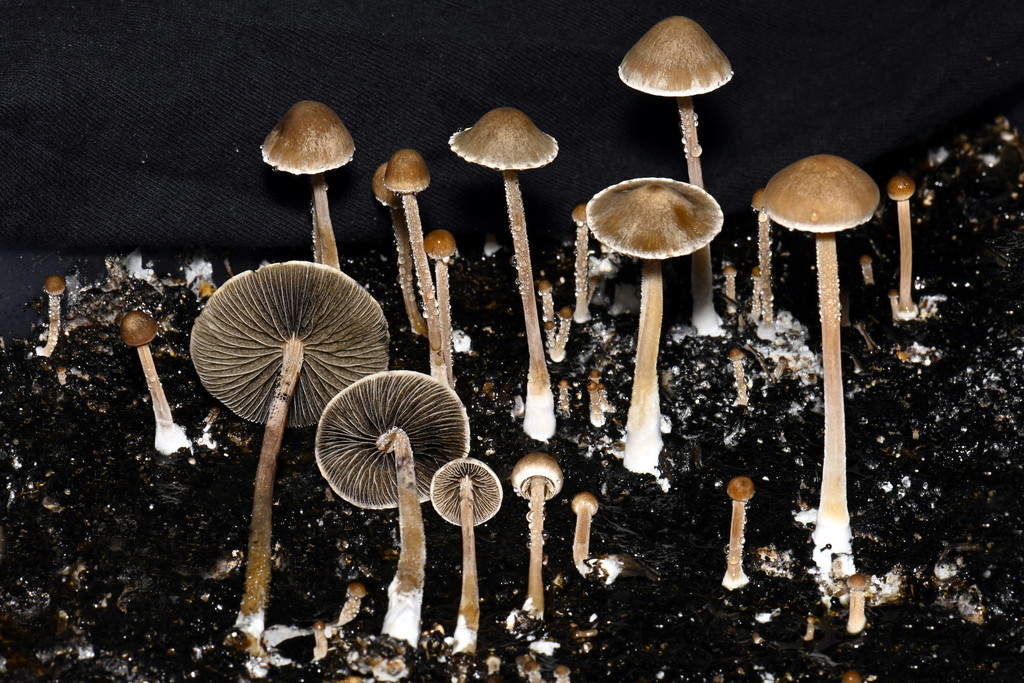
—observations
—countries
—peak records
Not EvaluatedConservation statusIUCN Red List categoriesLCNTVUENCREWEXNot Evaluated — not placed on the risk ladderRed List categories, explained →
Diet & prey
- Herbivore dung
- Decomposing plant matter
Predators
- Slugs
- Fungus gnats
- Grazing livestock
ThreatsAgricultural chemical runoff and loss of livestock pastures
HabitatsPastures, grasslands, lawns, and manured soil
Life spanBrief fruiting body (3–7 days)
Classification
- OrderAgaricales
- FamilyBolbitiaceae
- GenusPanaeolus
- SpeciesPanaeolus papilionaceus
Range data is not available yet.
Interaction riskLow
- Low
- Moderate
- High
- Very high
- Why interaction risk is low
- Many wild mushrooms have toxic look-alikes; never eat wild fungi based on app identification alone.
Responsible observation
- Inspect the cap edge: Look for the characteristic white petticoat tooth-like veil remnants clinging to the cap margin.
- Observe the gills: Check under the cap to view the dark, patchy mottling caused by uneven spore maturation.
- Check the substrate: Search directly on horse or cattle manure in damp grassy pastures during summer and autumn.
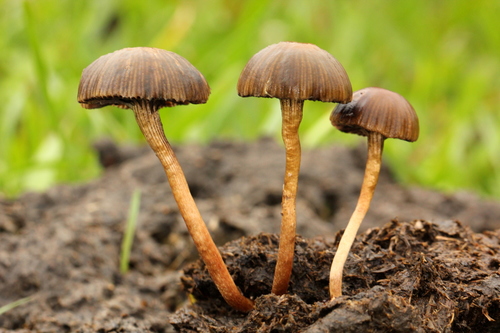
Ecological Neighbor (c) Alan Rockefeller, some rights reserved (CC BY), uploaded by Alan Rockefeller · cc-by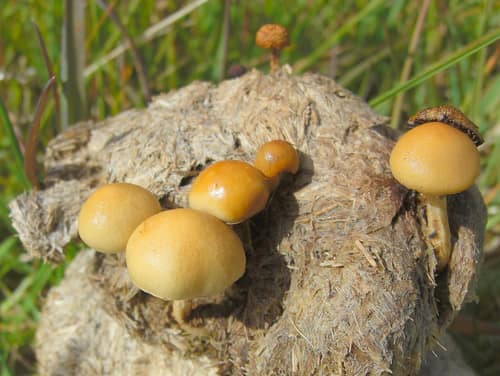
Ecological Neighbor Jason Hollinger / CC BY-SA 3.0 · cc-by-sa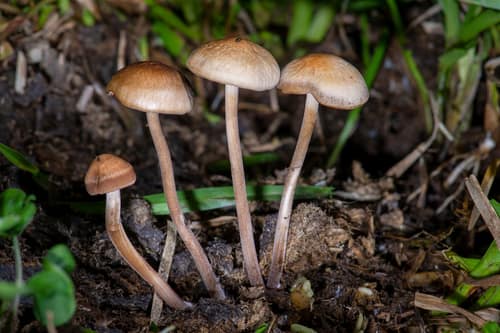
Close Relative (c) Alan Rockefeller, some rights reserved (CC BY), uploaded by Alan Rockefeller · cc-by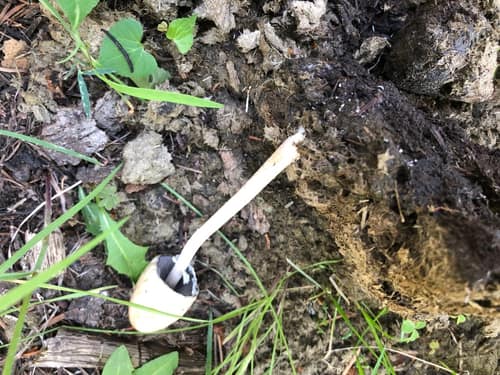
Close Relative (c) pinonbistro, some rights reserved (CC BY-SA), uploaded by pinonbistro · cc-by-sa
Help improve the field guideSomething wrong?
Checking your Fauna account…Report a name, category, or profile issue for review.