
Fungus · GBIF taxon 3317006
Shiny Mottlegill
Panaeolus semiovatusAlso known as Ringed Panaeolus, Egghead Mottlegill
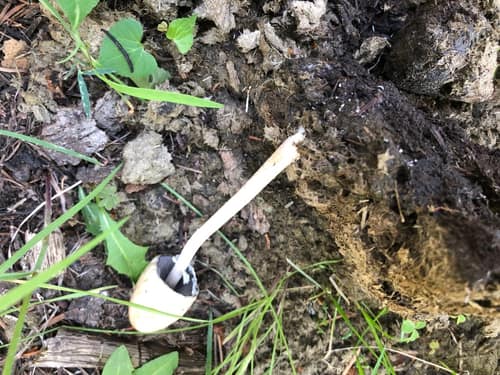
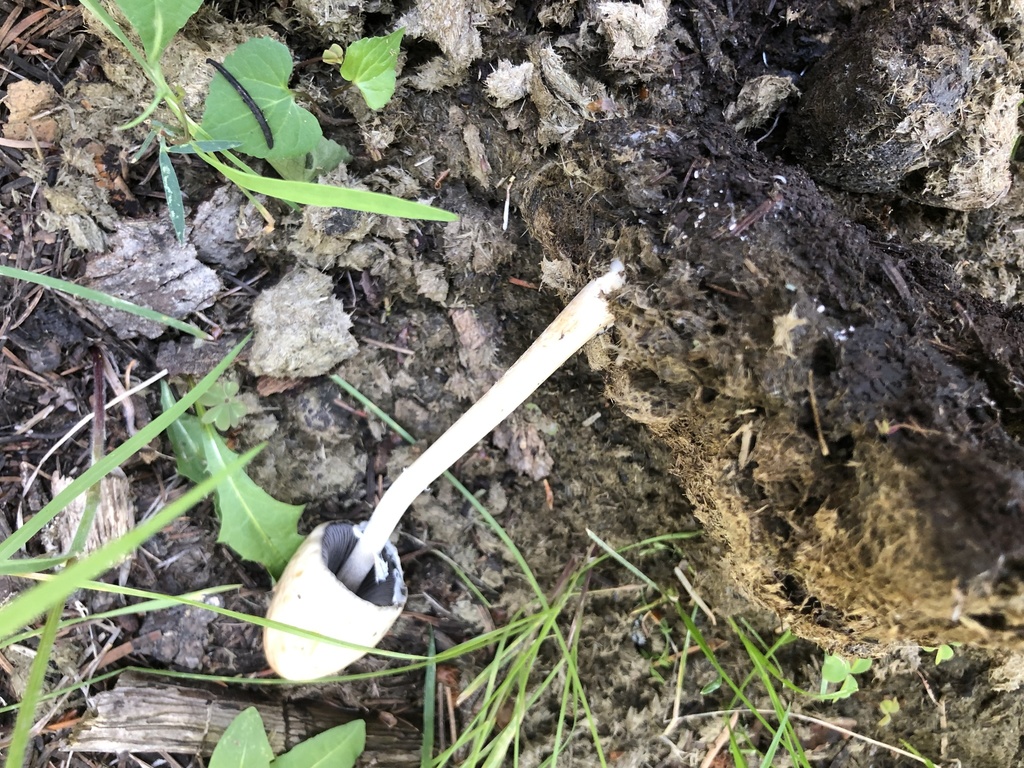
Shiny Mottlegill emerges directly from animal dung, featuring a glossy ivory-to-buff cap that dries to a pale wrinkled tan. Its gills turn mottled black as dark spores mature, contrasting with a tall white stem anchored by a persistent ring. As an active saprotroph, this mushroom rapidly breaks down herbivore manure in pastures and open fields across temperate regions worldwide.
Dung DwellingSpotted GillsFungus
 1 / 7
1 / 7—observations
—countries
—peak records
Not EvaluatedConservation statusIUCN Red List categoriesLCNTVUENCREWEXNot Evaluated — not placed on the risk ladderRed List categories, explained →
Diet & prey
- Herbivore dung
- Organic matter
Predators
- Slugs
- Fungus gnats
- Beetle larvae
ThreatsAgricultural intensification and pasture chemical treatments
HabitatsPastures, grasslands, dung heaps, grazed fields
Life spanFruiting body lasts 3 to 7 days
Classification
- OrderAgaricales
- FamilyBolbitiaceae
- GenusPanaeolus
- SpeciesPanaeolus semiovatus
Range data is not available yet.
Interaction riskHigh
- Low
- Moderate
- High
- Very high
- Why interaction risk is high
- Many edible mushrooms have toxic look-alikes; never eat wild fungi based on app identification alone.
Responsible observation
- Cap inspection: Observe the egg-shaped, sticky cap that turns dull and finely cracked as it dries.
- Check the ring: Look for the distinct high ring on the stem, which catches black falling spores.
- Spore printing: Place a cap on white paper to confirm the dark jet-black spore print.
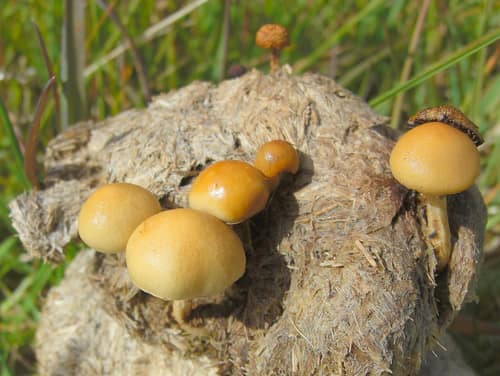
Ecological Competitor Jason Hollinger / CC BY-SA 3.0 · cc-by-sa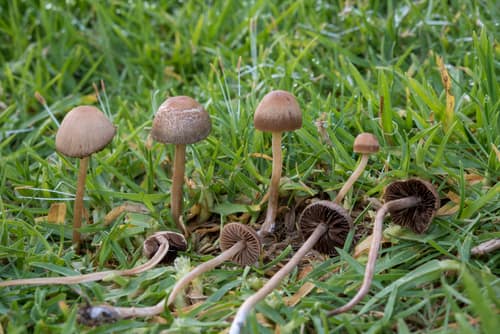
Close Relative (c) Alan Rockefeller, some rights reserved (CC BY), uploaded by Alan Rockefeller · cc-by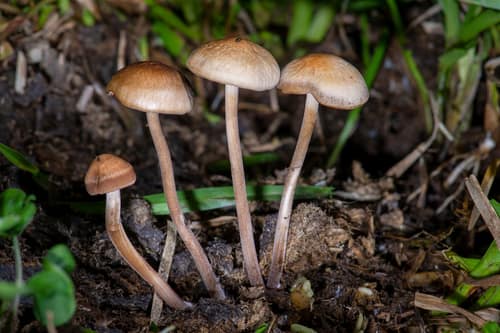
Close Relative (c) Alan Rockefeller, some rights reserved (CC BY), uploaded by Alan Rockefeller · cc-by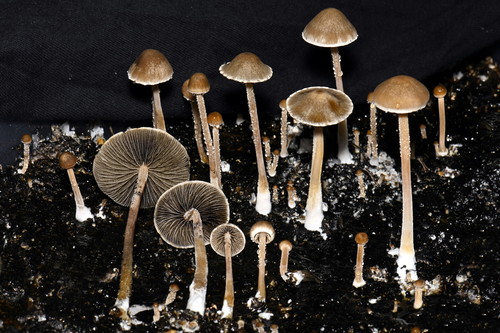
Close Relative (c) Alan Rockefeller, some rights reserved (CC BY) · cc-by
Help improve the field guideSomething wrong?
Checking your Fauna account…Report a name, category, or profile issue for review.