
Species · GBIF taxon 3213482
Wolf's Milk
Lycogala epidendrumAlso known as Groening's Slime, Wolf's Milk Slime Mold
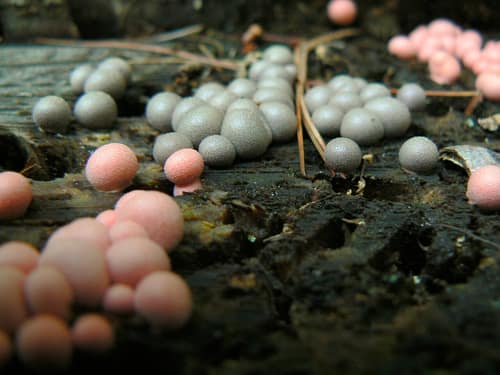
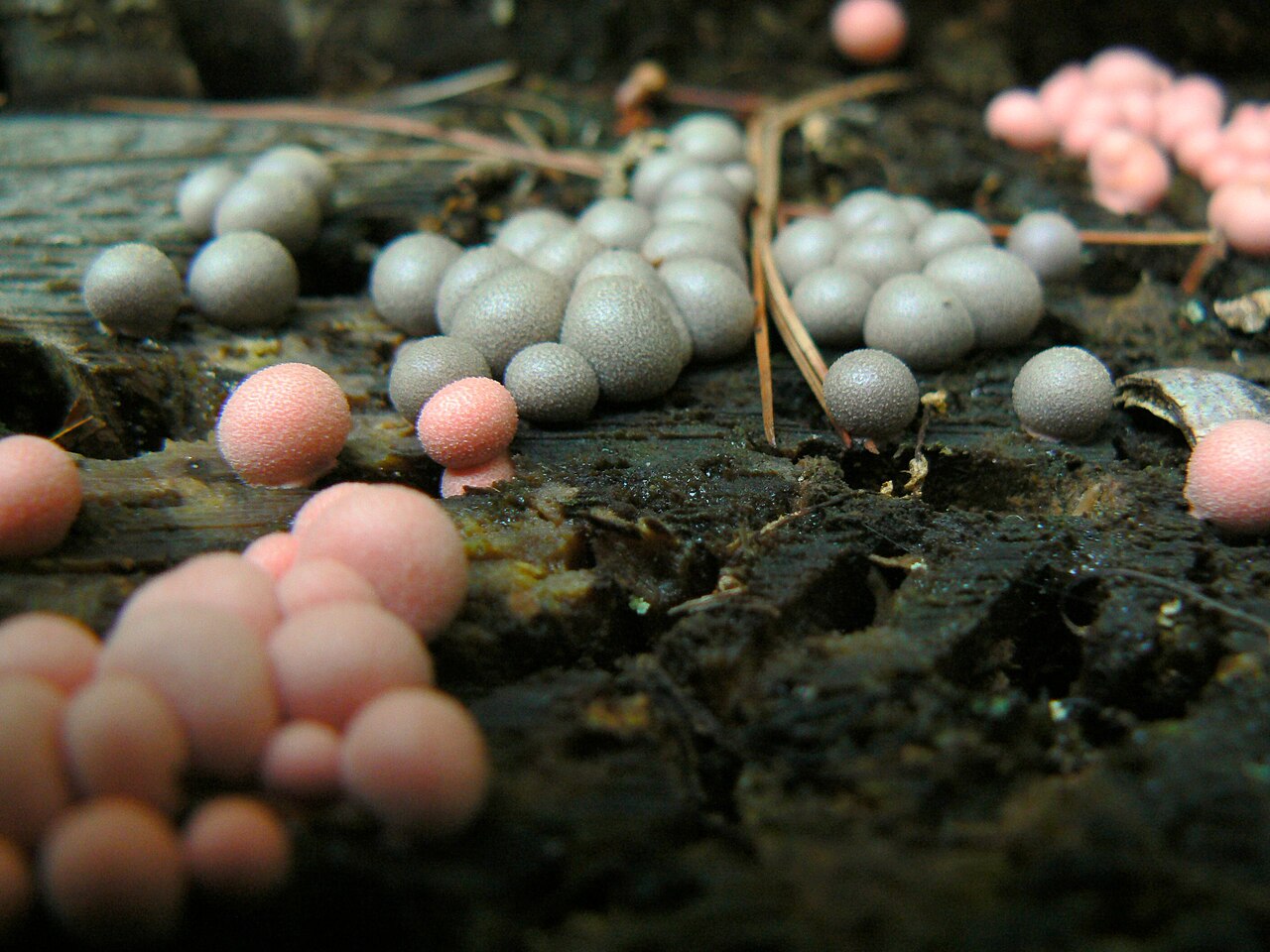
Wolf's milk forms small, bubble-like cushions on damp decaying wood that change from bright pink or salmon to dull grayish-brown as they mature. When pricked early in development, these fruiting bodies squeeze out a thick, bright pink paste resembling pink toothpaste. Though frequently mistaken for a tiny puffball fungus, wolf's milk spends most of its life cycle as microscopic single-celled amoebae roaming rotting logs to engulf bacteria and spores.
Slime MoldCosmopolitanWoodland
—observations
—countries
—peak records
Not EvaluatedConservation statusIUCN Red List categoriesLCNTVUENCREWEXNot Evaluated — not placed on the risk ladderRed List categories, explained →
Diet & prey
- Bacteria
- Fungal spores
- Protozoa
Predators
- Slugs
- Minute brown scavenger beetles
- Springtails
ThreatsDeforestation, removal of coarse woody debris
HabitatsDecaying logs, damp temperate forests
Life spanFruiting bodies last several weeks
Classification
- OrderCribrariales
- FamilyTubiferaceae
- GenusLycogala
- SpeciesLycogala epidendrum
Range data is not available yet.
Interaction riskLow
- Low
- Moderate
- High
- Very high
- Why interaction risk is low
- Safe to observe at a normal distance.
Responsible observation
- Finding: Search the underside and shaded sides of damp, barkless logs between June and November.
- Testing Maturity: Gently touch a cushion to see if it is still soft and liquid-filled or dry and powdery.
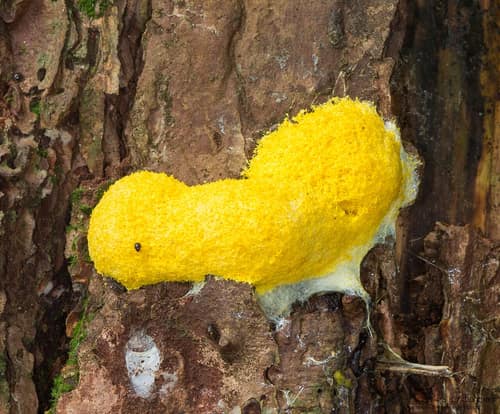
Frequent Companion Norbert Nagel / CC BY-SA 3.0 · cc-by-sa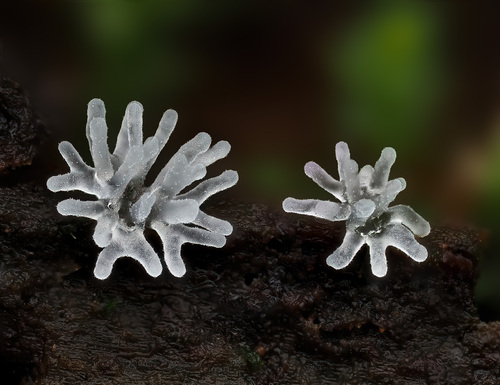
Frequent Companion (c) Alan Rockefeller, some rights reserved (CC BY), uploaded by Alan Rockefeller · cc-by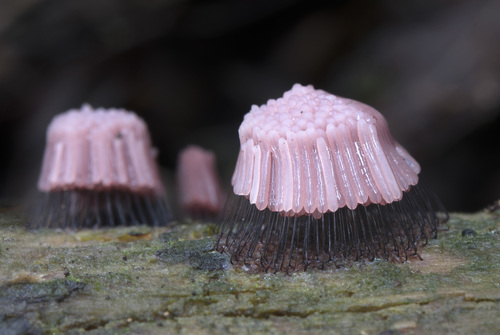
Frequent Companion (c) Alan Rockefeller, some rights reserved (CC BY), uploaded by Alan Rockefeller · cc-by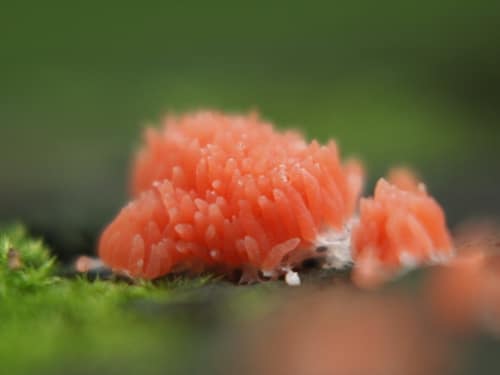
Close Relative (c) Kirill Ignatyev, some rights reserved (CC BY-SA) · cc-by-sa
Help improve the field guideSomething wrong?
Checking your Fauna account…Report a name, category, or profile issue for review.