
Species
Dark-brown Wood-hair
Stemonitis fuscaAlso known as Chocolate Tube Slime, Pipe Cleaner Slime Mold, Chocolate Tube Slime Mold
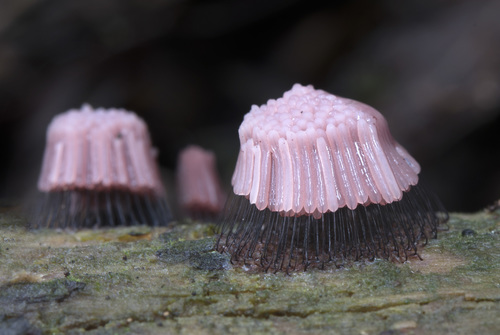
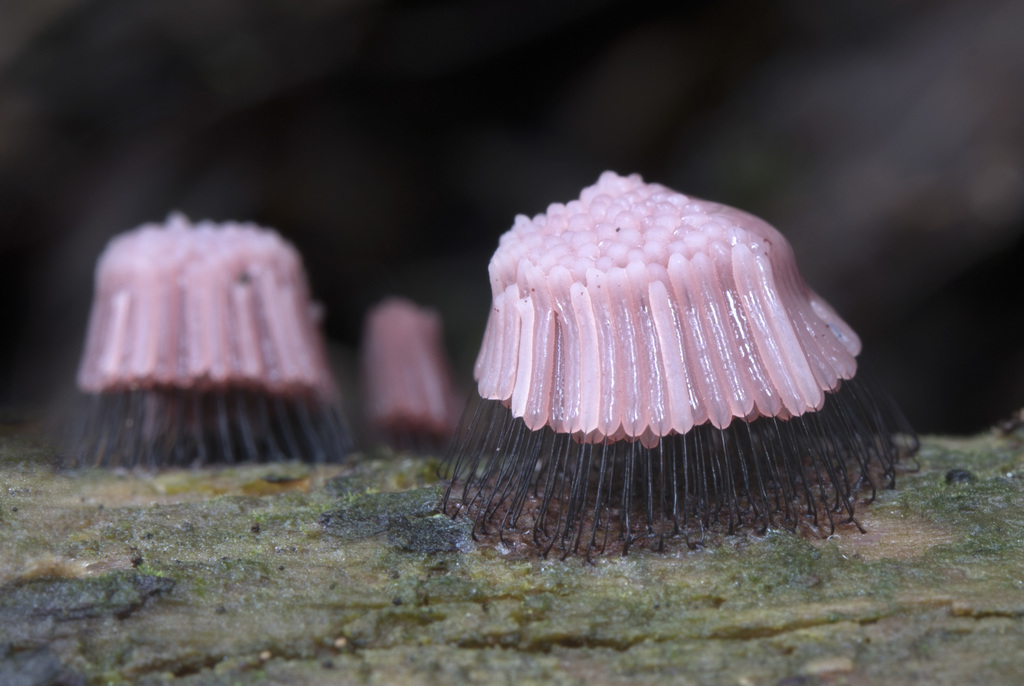
Dark-brown Wood-hair starts life as a microscopic, single-celled amoeba before merging into a slimy plasmodium that creeps through moist wood to engulf bacteria and fungal spores. When mature, it transforms into clusters of delicate, hair-like chocolate brown stalks that rise from the decaying wood surface. These fruiting structures eventually release millions of tiny airborne spores to colonize new damp forest habitats.
Slime MoldDecomposerForest Floor
—observations
—countries
—peak records
Not EvaluatedConservation statusIUCN Red List categoriesLCNTVUENCREWEXNot Evaluated — not placed on the risk ladderRed List categories, explained →
Diet & preyBacteria, Fungal Spores
Predators
- Slugs
- Beetles
- Mites
ThreatsDeforestation and extreme drying of forest floor substrates
HabitatsDecaying logs, rotting stumps, and damp forest litter
Life spanPlasmodium stage lasts weeks to months; fruiting structures last days
Classification
- OrderStemonitidales
- FamilyStemonitidaceae
- GenusStemonitis
- SpeciesStemonitis fusca
Range data is not available yet.
Interaction riskLow
- Low
- Moderate
- High
- Very high
- Why interaction risk is low
- Safe to observe at a normal distance.
Responsible observation
- Substrate search: Examine the underside of moist, decaying logs in shaded woodlands during warm, damp seasons.
- Magnification: Use a hand lens to appreciate the delicate network of thread-like filaments supporting the spores.
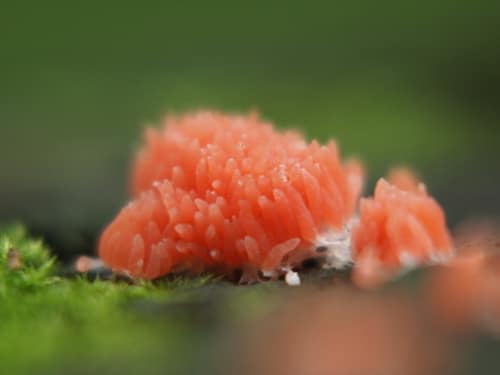
Co-occurring Slime (c) Kirill Ignatyev, some rights reserved (CC BY-SA) · cc-by-sa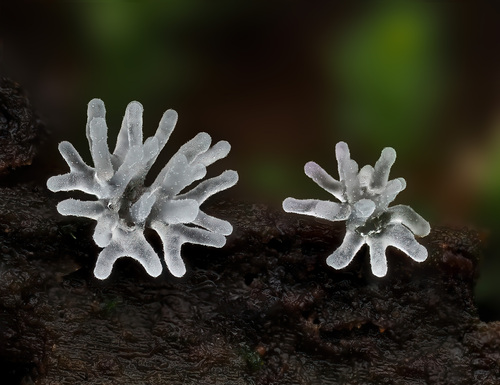
Co-occurring Slime (c) Alan Rockefeller, some rights reserved (CC BY), uploaded by Alan Rockefeller · cc-by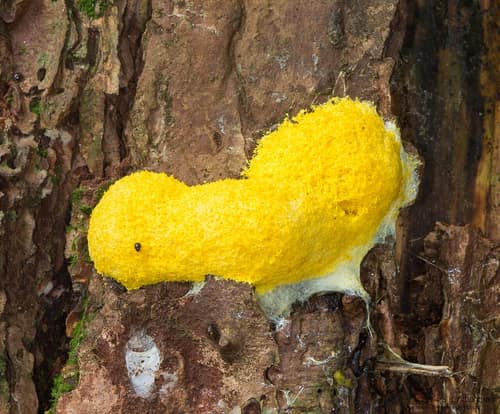
Co-occurring Slime Norbert Nagel / CC BY-SA 3.0 · cc-by-sa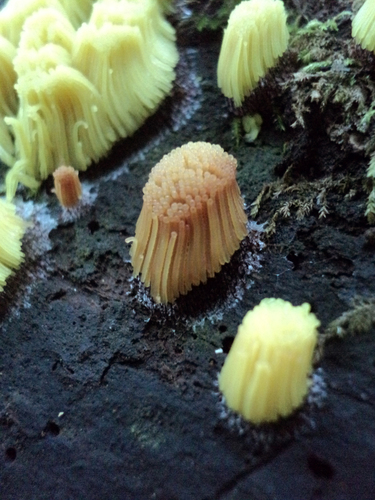
Close Relative (c) Thomas Laxton, some rights reserved (CC BY-SA), uploaded by Thomas Laxton · cc-by-sa
Help improve the field guideSomething wrong?
Checking your Fauna account…Report a name, category, or profile issue for review.