
Plant
Peruvian Pepper Tree
Schinus molleAlso known as Peruvian Peppertree, California Pepper Tree, False Pepper, American Pepper
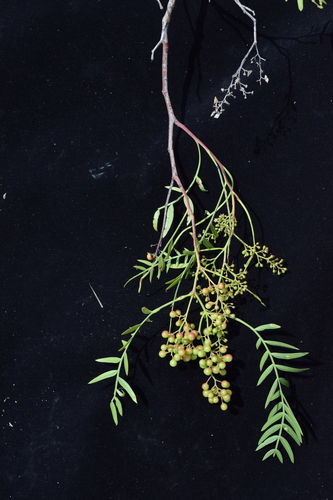
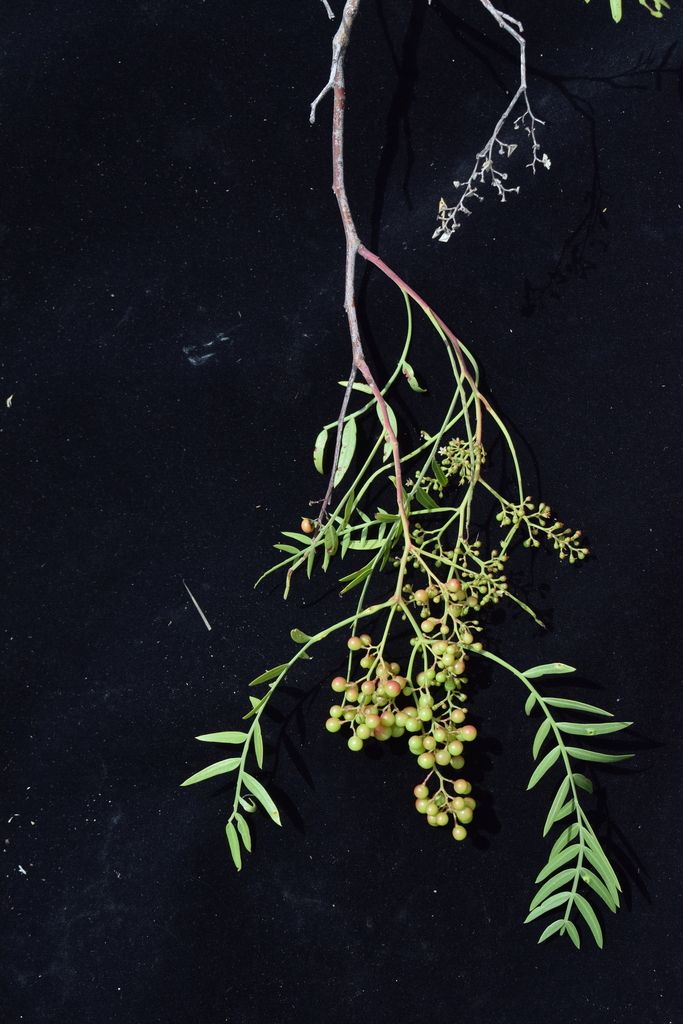
Gracefully weeping branches and feathery pinnate foliage give this hardy evergreen an appearance reminiscent of a weeping willow, though it thrives in arid landscapes. Crushed leaves release a pungent, peppery aroma loaded with terpenes that deter many grazing herbivores. Dense hanging clusters of small pink drupes persist through the winter, providing an important food resource for birds that disperse its seeds widely.
EvergreenAromaticDrought-Tolerant
—observations
—countries
—peak records
Least ConcernConservation statusIUCN Red List categoriesLCNTVUENCREWEXLeast ConcernRed List categories, explained →
Diet & preyAutotroph (photosynthesis)
Predators
- Pepper-tree caterpillar
- Pepper tree psyllid
- Longhorn beetle larvae
ThreatsInvasive species management, fungal root rot in poorly drained soils, and heavy frosts
HabitatsArid valleys, scrublands, savannas, grasslands, and disturbed urban roadsides
Life span50–150 years
Classification
- OrderSapindales
- FamilyAnacardiaceae
- GenusSchinus
- SpeciesSchinus molle
Range data is not available yet.
Interaction riskHigh
- Low
- Moderate
- High
- Very high
- Why interaction risk is high
- Sap can irritate skin, berries cause gastrointestinal upset, and wild fruits have toxic look-alikes; avoid ingestion.
- Why it is dangerous
- Contains volatile terpenes and resinous compounds related to urushiol that cause skin inflammation and severe digestive upset if swallowed.
- How to recognize a risky encounter
- Look for drooping weeping branches with narrow, fern-like pinnate leaves and clusters of bright pink, paper-skinned drupes.
- What to do
- Wear gloves when pruning or clearing brush, and wash any sap immediately from skin with soap and cold water.
Responsible observation
- Aroma Check: Gently rub a mature leaf between your fingers to release its distinctive peppery scent.
- Skin Sensitivity: Wash hands after handling broken stems or sap, as resinous oils can cause contact dermatitis.
- Invasive Awareness: Check local planting regulations, as the tree readily colonizes dry native ecosystems outside South America.
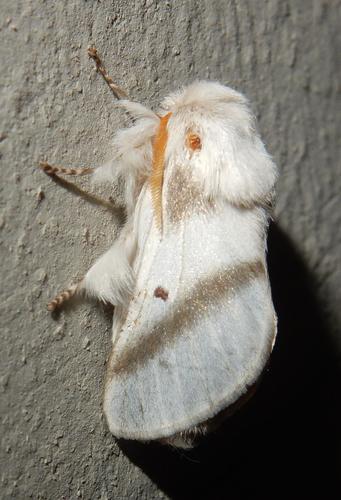
Host Plant (c) Henry de Lange, some rights reserved (CC BY), uploaded by Henry de Lange · cc-by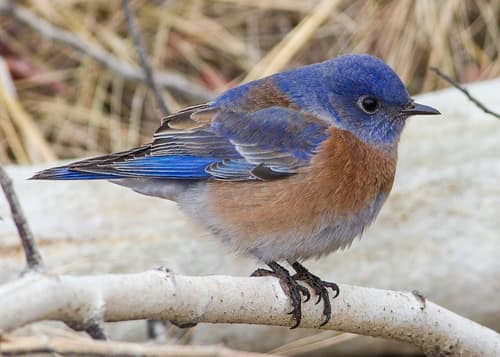
Seed Disperser Blalonde / CC BY-SA 4.0 · cc-by-sa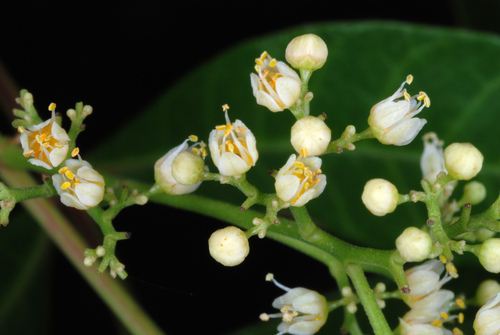
Close Relative (c) Douglas Goldman, some rights reserved (CC BY-SA), uploaded by Douglas Goldman · cc-by-sa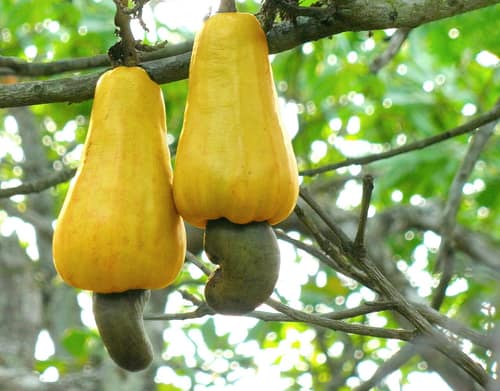
Family Relative Abhishek Jacob / CC BY-SA 3.0 · cc-by-sa
Help improve the field guideSomething wrong?
Checking your Fauna account…Report a name, category, or profile issue for review.