
Plant
West Indies Cedrela
Cedrela odorataAlso known as Spanish Cedar, Cuban Cedar, Cigar Box Cedar, Cedro
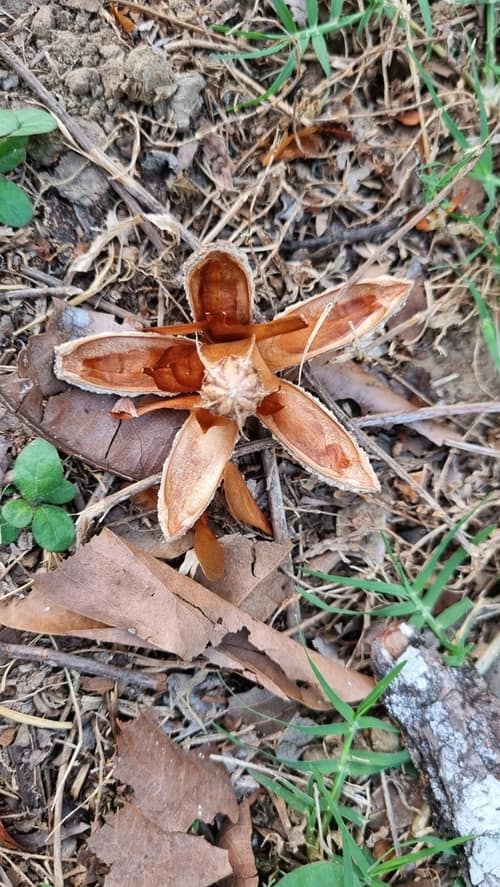
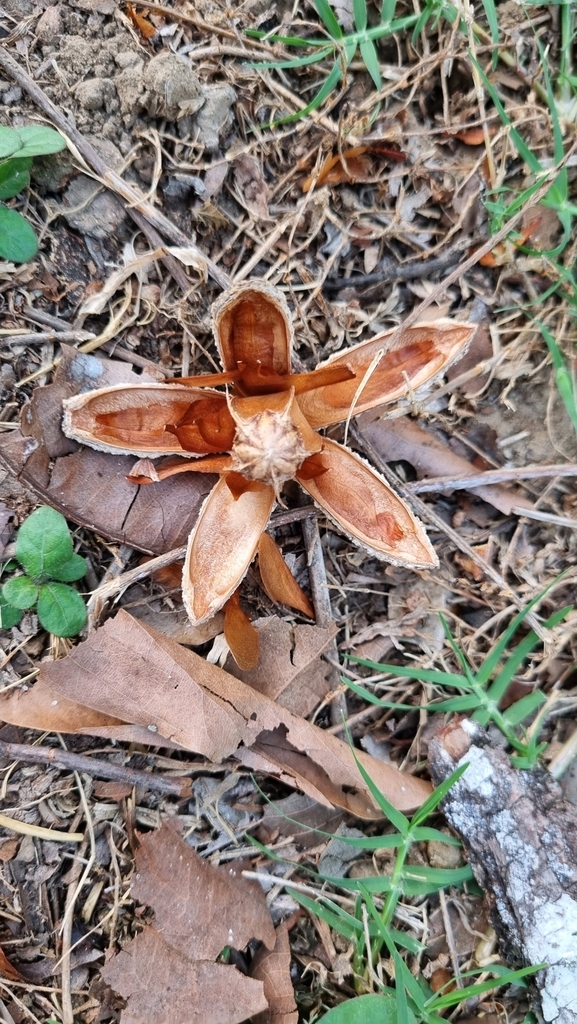
Spanish cedar is a stately Neotropical canopy giant celebrated for its aromatic, rot-resistant heartwood that naturally repels insects. During dry seasons, trees drop their large pinnate leaves entirely to conserve moisture before producing clusters of small, pale flowers followed by woody capsules. Once opened, these five-valved capsules release hundreds of delicate winged seeds that ride thermal updrafts across the forest canopy.
Canopy TreeAromatic WoodDeciduous
—observations
—countries
—peak records
VulnerableConservation statusIUCN Red List categoriesLCNTVUENCREWEXVulnerableRed List categories, explained →
Diet & preyAutotrophic (photosynthetic)
Predators
- Mahogany Shoot Borer
- Leaf-Cutter Ants
ThreatsOverexploitation for high-value timber, agricultural clearing, and pest damage
HabitatsLowland moist and seasonal tropical forests, riverbanks, and limestone slopes
Life span150–300 years
Classification
- OrderSapindales
- FamilyMeliaceae
- GenusCedrela
- SpeciesCedrela odorata
Range data is not available yet.
Interaction riskLow
- Low
- Moderate
- High
- Very high
- Why interaction risk is low
- Safe to observe at a normal distance.
- What to notice
- Look for massive buttressed bases, furrowed bark, and distinctive five-pointed woody seed capsules littering the ground.
- Support conservation
- Refrain from stripping bark or damaging wild saplings, and verify that any cedar products are sustainably sourced.
Responsible observation
- Bark Inspection: Look for deeply fissured grayish-brown bark emitting a subtle garlic-cedar scent.
- Seed Pod Spotting: Search beneath the canopy in late dry season for star-shaped woody capsules.
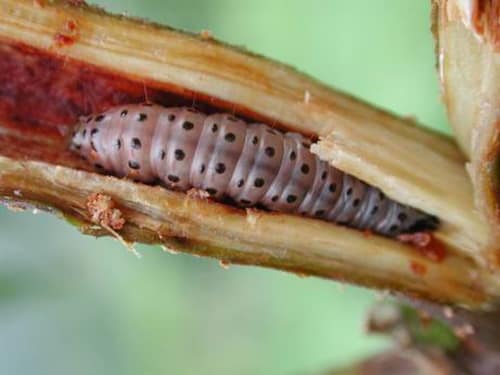
Parasite Mauroguanandi / Public domain · cc0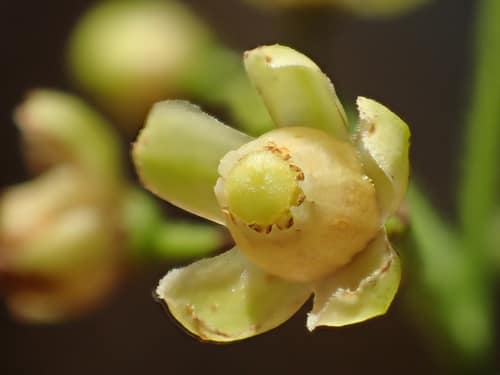
Same Family no rights reserved, uploaded by 葉子 · cc0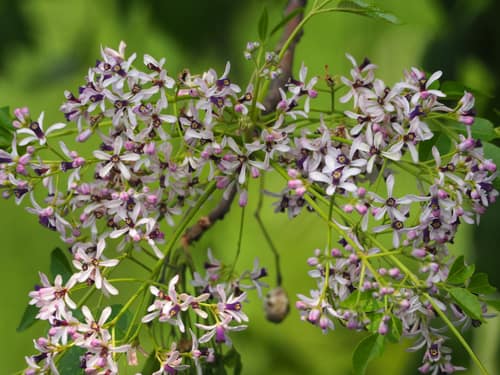
Same Family no rights reserved, uploaded by 葉子 · cc0
Help improve the field guideSomething wrong?
Checking your Fauna account…Report a name, category, or profile issue for review.