
Plant · GBIF taxon 5914287
Chinaberry
Melia azedarachAlso known as Cape Lilac, Pride of India, Bead-tree, Persian Lilac
Chinaberry trees feature feathery, double-pinnate leaves and clusters of star-shaped lilac blossoms that bloom in spring, filling the surrounding air with a rich perfume. By autumn, these give way to golden, marble-like drupes that persist on bare winter branches and contain hard, naturally grooved seeds. Originally native to southern Asia and Australasia, this adaptable member of the mahogany family has spread globally, often outcompeting native vegetation in disturbed habitats.
DeciduousFragrantInvasive
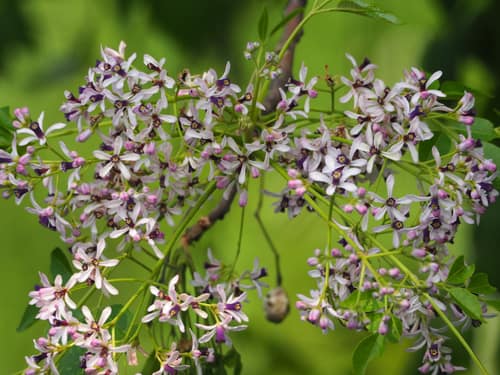
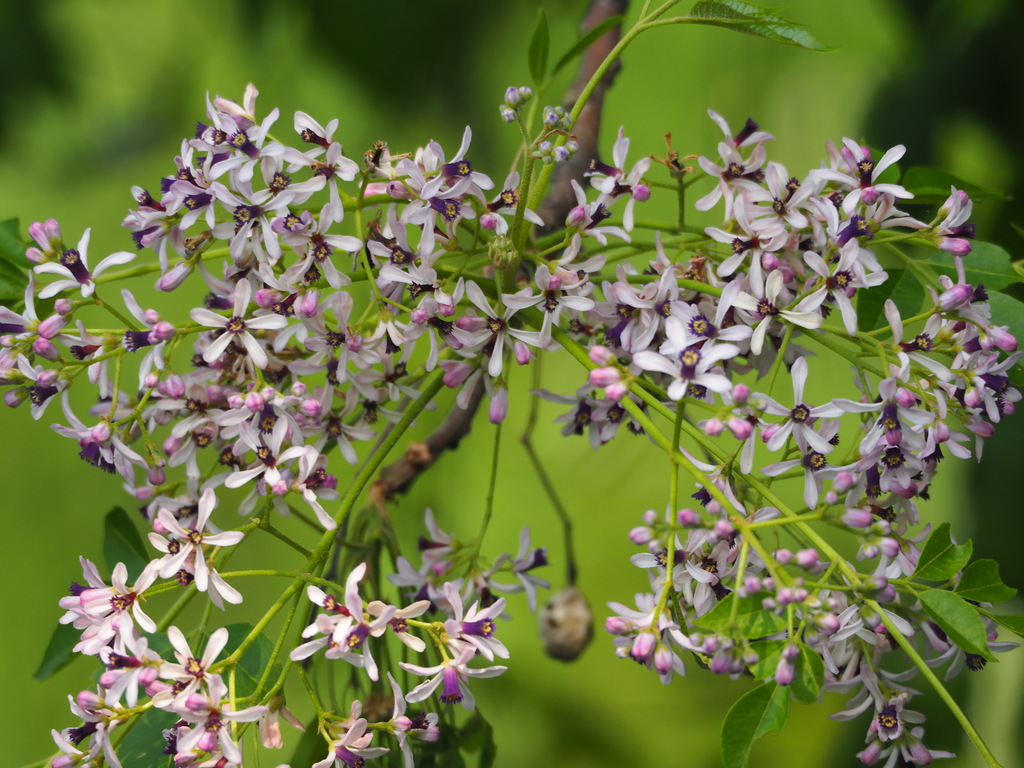
—observations
—countries
—peak records
Least ConcernConservation statusIUCN Red List categoriesLCNTVUENCREWEXLeast ConcernRed List categories, explained →
Diet & prey
- Autotrophic (Photosynthetic)
Predators
- Fruit-eating Birds
- Wood-boring Beetles
- Fungal Pathogens
ThreatsMechanical clearing, chemical control, biological control agents
HabitatsDisturbed areas, woodland edges, roadsides, riparian zones
Life span50–80 years
Size / weightNot available
Classification
- OrderSapindales
- FamilyMeliaceae
- GenusMelia
- SpeciesMelia azedarach
Range data is not available yet.
Interaction riskHigh
- Low
- Moderate
- High
- Very high
- Why interaction risk is high
- All parts, especially the yellow berries, contain lethal neurotoxins; never ingest and keep away from pets.
- Why it is dangerous
- Contains tetranortriterpenoids known as meliatoxins, which cause severe nausea, vomiting, cardiac arrest, and respiratory failure if ingested.
- How to recognize a risky encounter
- Look for double-pinnate leaves, fragrant purple flowers in spring, and persistent yellowish marble-sized berries in winter.
- What to do
- Avoid eating any plant parts, wash hands after handling berries, and prevent dogs or livestock from chewing fallen seeds.
Responsible observation
- Identification: Look for lacy double-compound leaves and hanging clusters of persistent golden berries on bare winter branches.
- Safety Precautions: Keep pets and livestock away from fallen fruit, which contains dangerous meliatoxins.
- Management: Prune flowers before seed set to prevent aggressive spreading in garden settings.
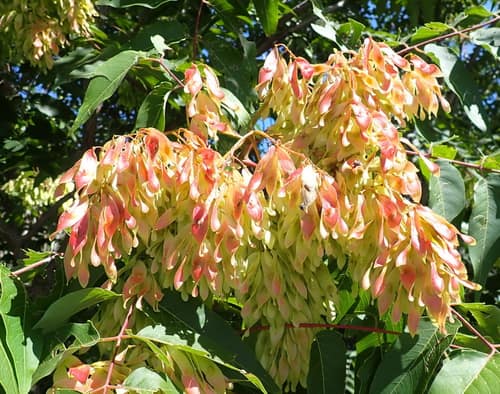
Invasive Competitor (c) Nicola van Berkel, some rights reserved (CC BY-SA), uploaded by Nicola van Berkel · cc-by-sa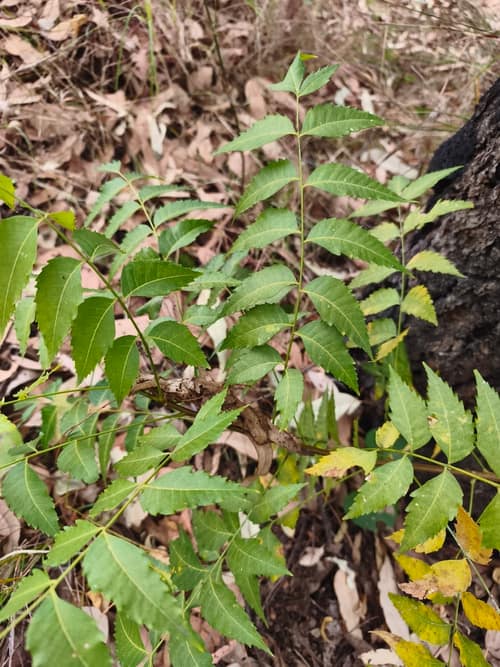
Close Relative no rights reserved · cc0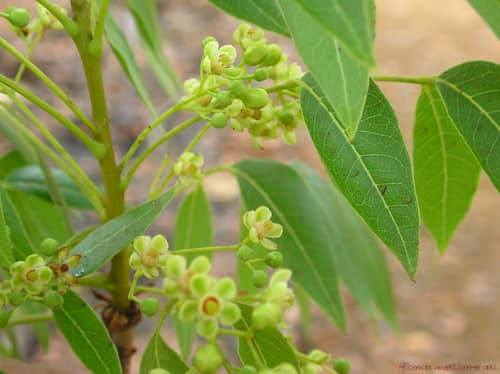
Family Member (c) Lalithamba, some rights reserved (CC BY) · cc-by
Help improve the field guideSomething wrong?
Checking your Fauna account…Report a name, category, or profile issue for review.