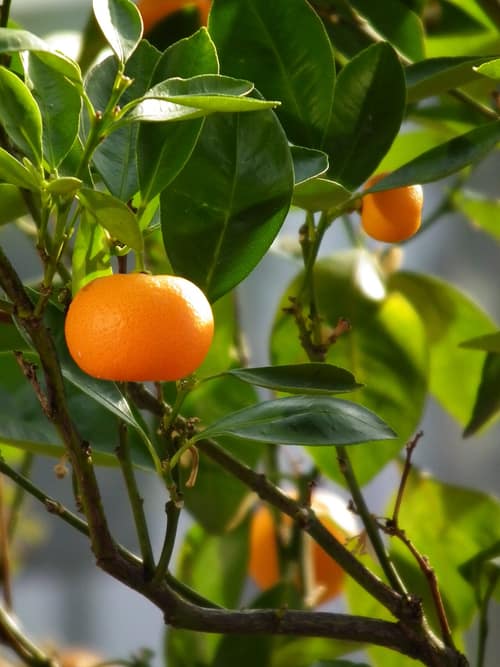
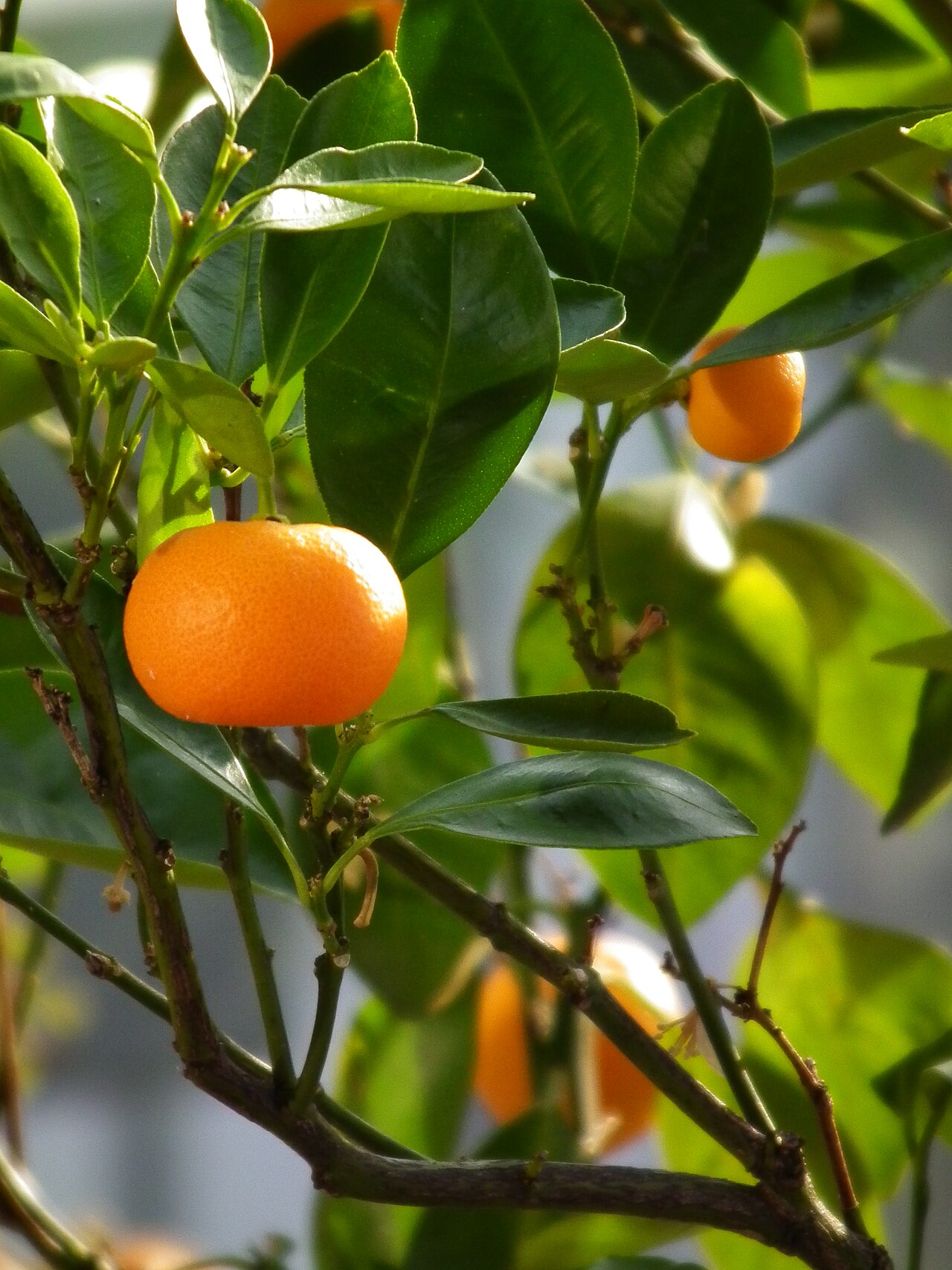
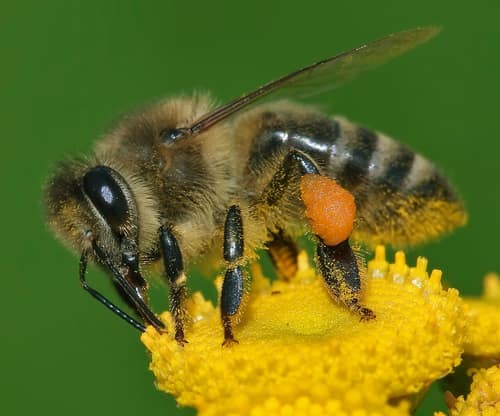
Mandarins are compact, evergreen citrus trees prized for their glossy, aromatic foliage and fragrant, five-petaled white blossoms. In spring, their sweet-scented flowers draw bees and other pollinators before developing into small, oblate fruits with loose, oil-rich rinds. Native to southern China and Southeast Asia, these cold-tender trees thrive in warm subtropical and tropical climates and are one of the foundational ancestral species behind many modern citrus hybrids.
Not EvaluatedConservation statusIUCN Red List categoriesLCNTVUENCREWEXNot Evaluated — not placed on the risk ladderRed List categories, explained →
Key facts
Diet & preySunlight, Water, Soil nitrogen and minerals
Predators
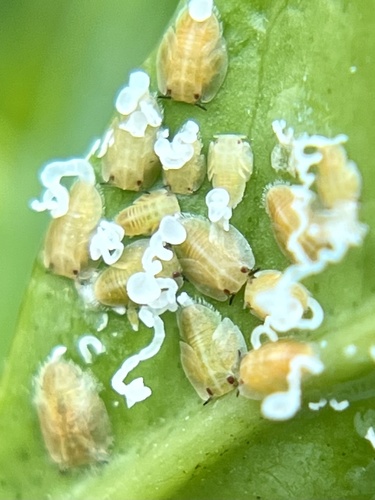
Asian citrus psyllid
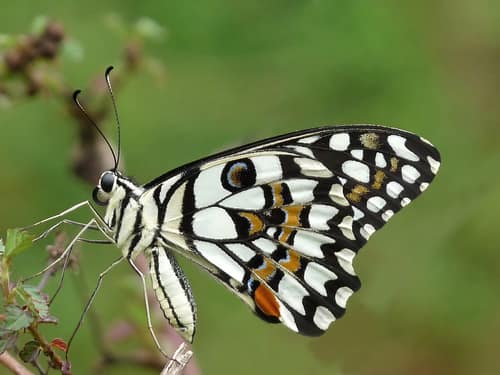
Lime swallowtail caterpillars
Mediterranean fruit fly
ThreatsCitrus greening disease (huanglongbing), citrus canker, frost damage, and fruit flies
HabitatsSubtropical and tropical orchards, gardens, and warm lowland forests
Life span40 to 60 years in cultivation
Classification
OrderSapindales
FamilyRutaceae
GenusCitrus
SpeciesCitrus reticulata
Range & activity
Range data is not available yet.
Safe observation
Interaction riskHigh
Low
Moderate
High
Very high
Why interaction risk is high
Fruit is safe for humans, but peels, leaves, and seeds are toxic to dogs and cats if ingested.
Why it is dangerous
Leaves, peels, and seeds contain essential oils such as limonene and phototoxic psoralens, which cause vomiting, diarrhea, lethargy, and skin irritation in dogs and cats.
How to recognize a risky encounter
Small evergreen tree with glossy, dark green oval leaves, narrow winged leaf stalks, fragrant white flowers, and loose-skinned orange fruit.
What to do
Prevent pets from chewing fallen fruit, rinds, or trimmings, and wash hands after pruning if you have sensitive skin.
Responsible observation
Pet Safety: Keep fallen fruit, peels, and pruned branches away from dogs and cats.
Scent Check: Gently rub a leaf to release its bright, spicy citrus oil aroma.
Spotting Flowers: Look for small, five-petaled white blossoms in spring that attract bees.