
Plant · GBIF taxon 3189884
Vine Maple
Acer circinatumAlso known as Oregon Vine Maple
Vine maples often grow with long, sprawling trunks that arch toward the ground, taking root where their branches touch moist forest soil. In early spring, clusters of tiny white flowers with deep red sepals attract native pollinators long before the coniferous canopy closes above. Autumn transforms their light green foliage into radiant hues of crimson, orange, and gold across Pacific Northwest forest understories.
DeciduousFall FoliageUnderstory Tree
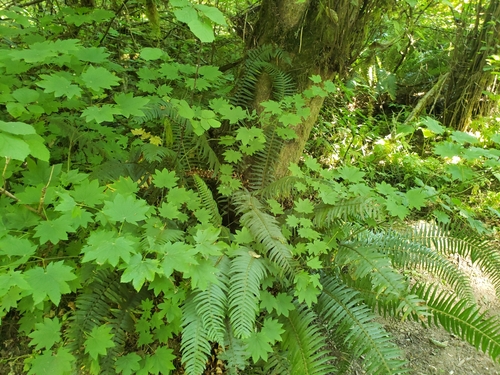
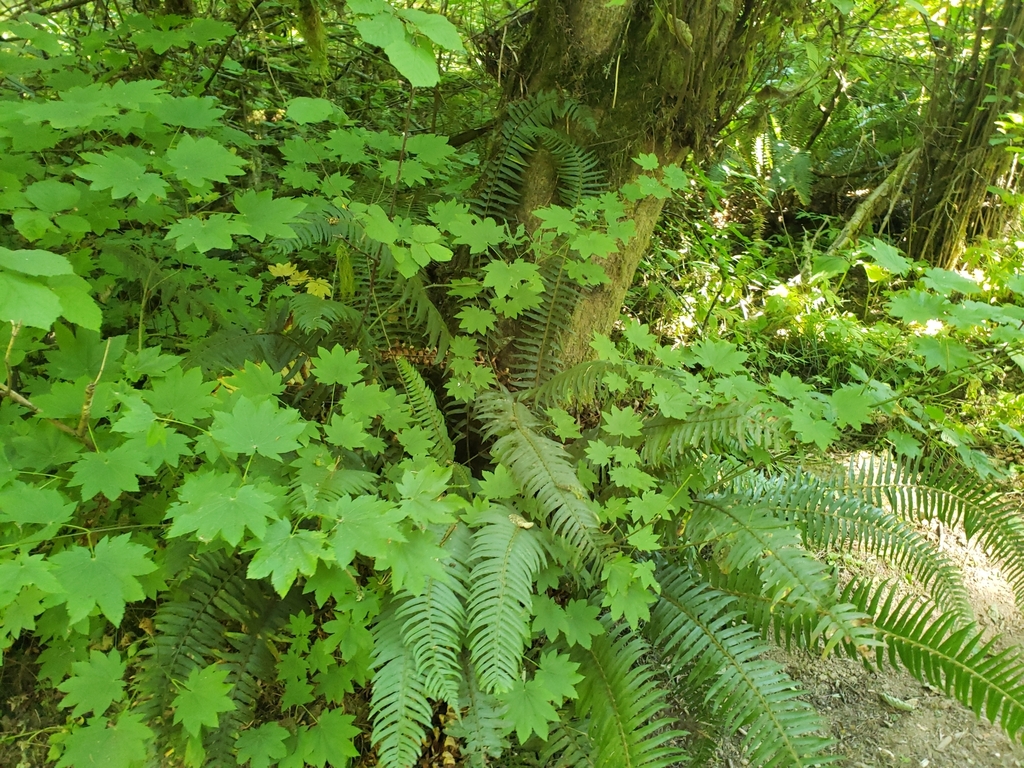
—observations
—countries
—peak records
Least ConcernConservation statusIUCN Red List categoriesLCNTVUENCREWEXLeast ConcernRed List categories, explained →
Diet & prey
- Autotrophic (Photosynthesis)
Predators
- Mule Deer
- Roosevelt Elk
- American Beaver
ThreatsSevere Wildfires, Habitat Loss
HabitatsTemperate Rainforests, Stream Banks, Forest Understories
Life span80–150 years
Size / weightNot available
Classification
- OrderSapindales
- FamilySapindaceae
- GenusAcer
- SpeciesAcer circinatum
Range data is not available yet.
Interaction riskLow
- Low
- Moderate
- High
- Very high
- Why interaction risk is low
- Safe to observe at a normal distance.
Responsible observation
- Spring Identification: Look for small white flowers framed by deep red sepals blooming in early spring.
- Autumn Photography: Visit damp forest gaps in October to capture brilliant red foliage displays.
- Recognizing Growth Form: Look for sprawling, bent trunks that root where branches touch wet soil.
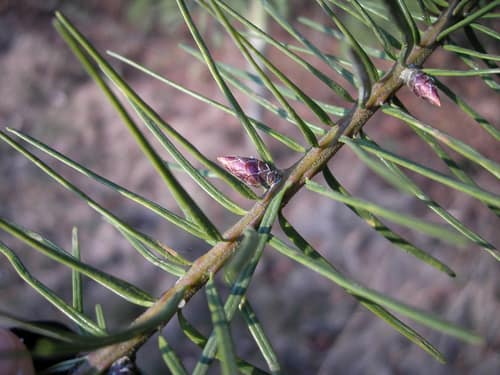
Canopy Partner (c) Danny Steaven, some rights reserved (CC BY-SA) · cc-by-sa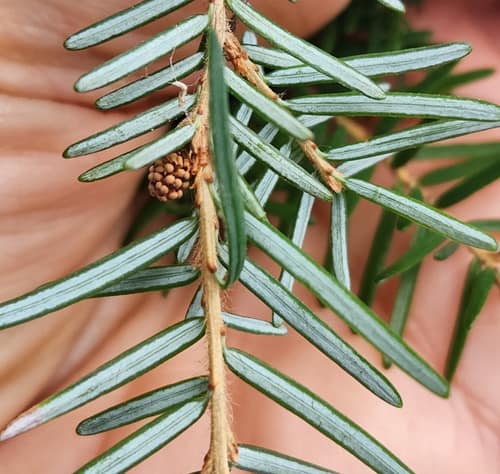
Frequent Companion (c) Lyrae, some rights reserved (CC BY), uploaded by Lyrae · cc-by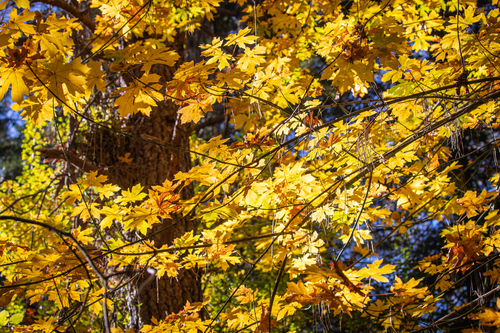
Close Relative (c) Bureau of Land Management Oregon and Washington, some rights reserved (CC BY) · cc-by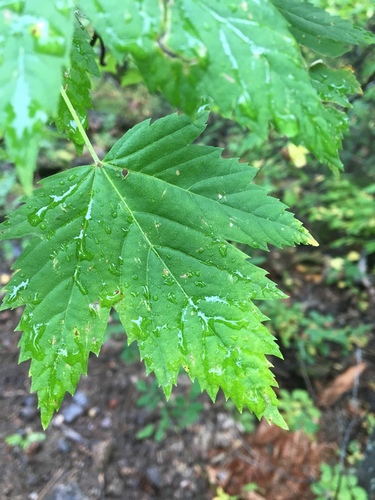
Close Relative (c) Caleb Catto, some rights reserved (CC BY), uploaded by Caleb Catto · cc-by
Help improve the field guideSomething wrong?
Checking your Fauna account…Report a name, category, or profile issue for review.