
Plant
Amur Maple
Acer ginnalaAlso known as Siberian Maple
Amur maple forms a dense, multi-stemmed small tree or large shrub renowned for its brilliant scarlet autumn foliage and sweet-scented spring blossoms. Pairs of winged samaras develop early in summer, turning bright reddish-pink long before the leaves shift color. Though prized in urban landscaping for exceptional cold tolerance, escaped seedlings frequently invade native prairies and forest edges across North America.
DeciduousCold-HardyOrnamental
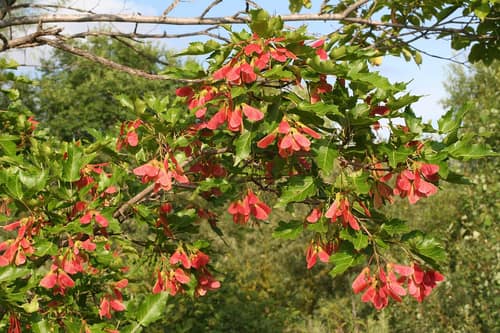
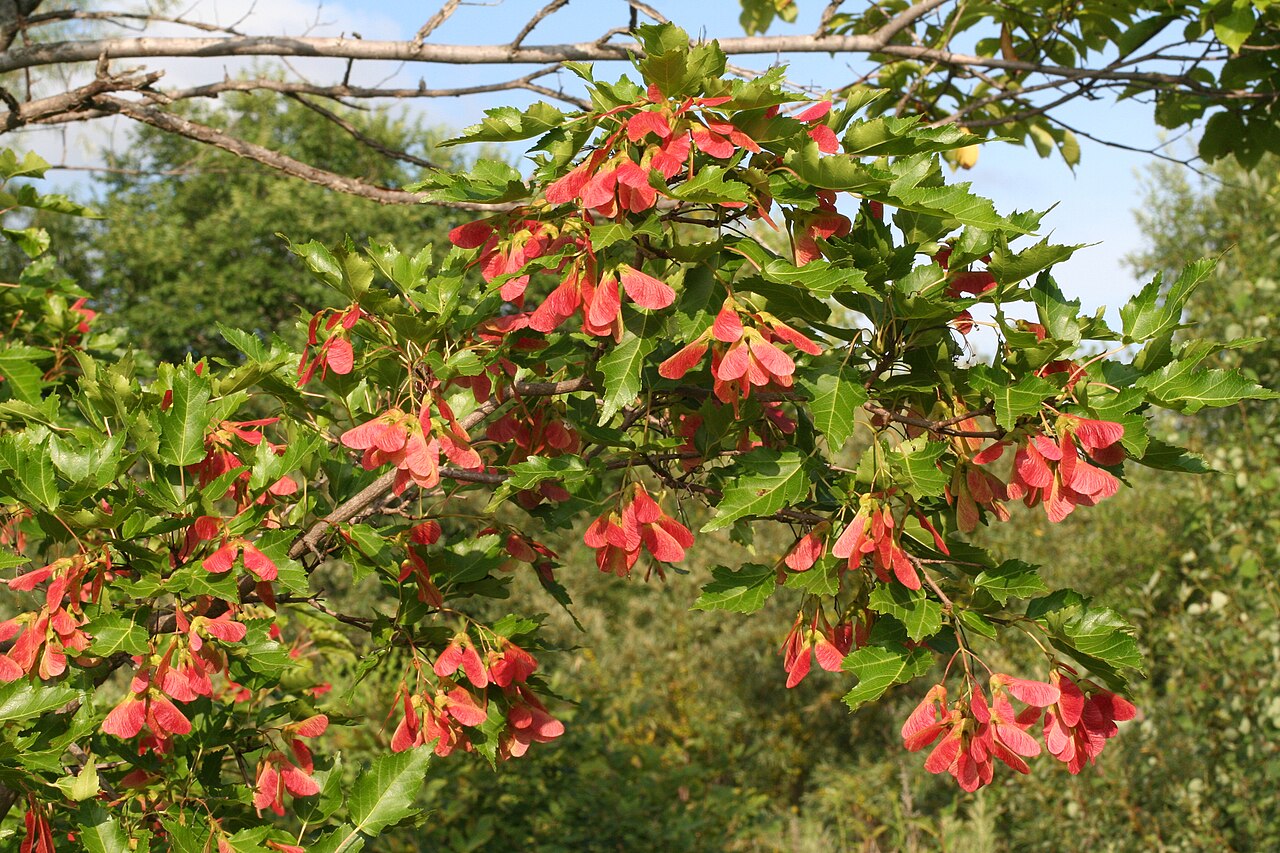
—observations
—countries
—peak records
Least ConcernConservation statusIUCN Red List categoriesLCNTVUENCREWEXLeast ConcernRed List categories, explained →
Diet & preyAutotrophic (photosynthesis)
Predators
- White-Tailed Deer
- Asian Longhorned Beetle
- Spongy Moth
ThreatsVerticillium wilt, Asian longhorned beetle, and localized fungal leaf spot
HabitatsRiverbanks, woodland edges, prairies, and open thickets
Life span50–100 years
Classification
- OrderSapindales
- FamilySapindaceae
- GenusAcer
- SpeciesAcer ginnala
Range data is not available yet.
Interaction riskLow
- Low
- Moderate
- High
- Very high
- Why interaction risk is low
- Safe to observe at a normal distance.
Responsible observation
- Identification: Look for glossy, deeply three-lobed leaves with a distinctly elongated middle lobe.
- Landscape Management: Monitor nearby natural woodlands and prairies for runaway seedlings, as it displaces native understory flora.
- Pruning: Trim lower suckers in late summer to cultivate an upright single-stemmed tree form.
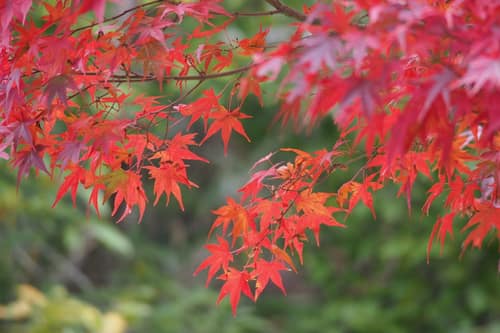
Same Genus (c) harum.koh, some rights reserved (CC BY-SA), uploaded by harum.koh · cc-by-sa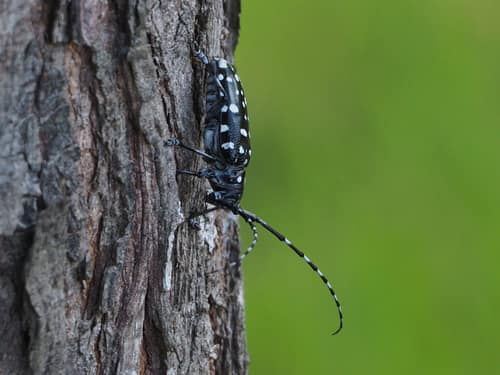
Predator no rights reserved, uploaded by 葉子 · cc0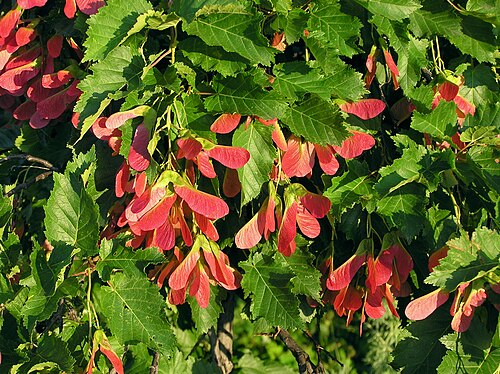
Close Relative Le.Loup.Gris / CC BY-SA 3.0 · cc-by-sa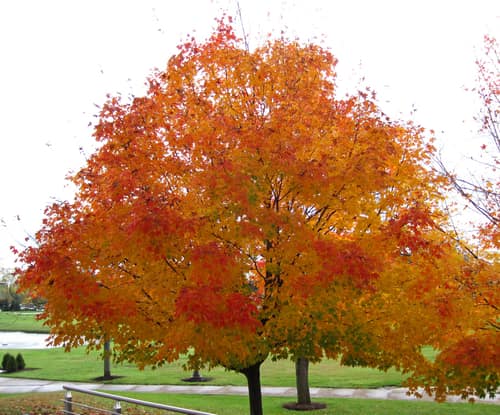
Same Family (c) James St. John, some rights reserved (CC BY) · cc-by
Help improve the field guideSomething wrong?
Checking your Fauna account…Report a name, category, or profile issue for review.