
Plant
Sea Almond
Terminalia catappaAlso known as Indian Almond, Country Almond, Tropical Almond, Beach Almond
Sea Almond trees form distinct pagoda-like tiers of horizontal branches that cast broad, dense shade along tropical coastlines. Before dropping, the massive leathery leaves turn brilliant shades of red, yellow, and copper, creating a striking seasonal display rare among tropical evergreens. The corky, water-resistant fruits float for months on ocean currents, allowing seeds to drift long distances and colonize remote sandy shores.
CoastalSalt-TolerantDeciduous
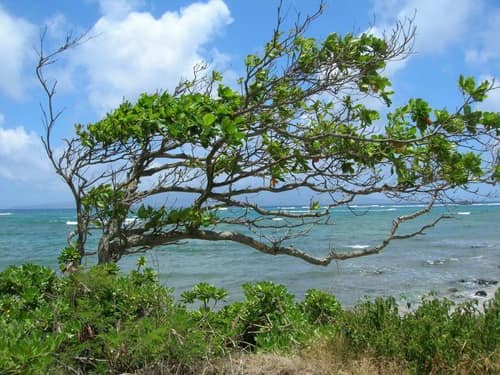
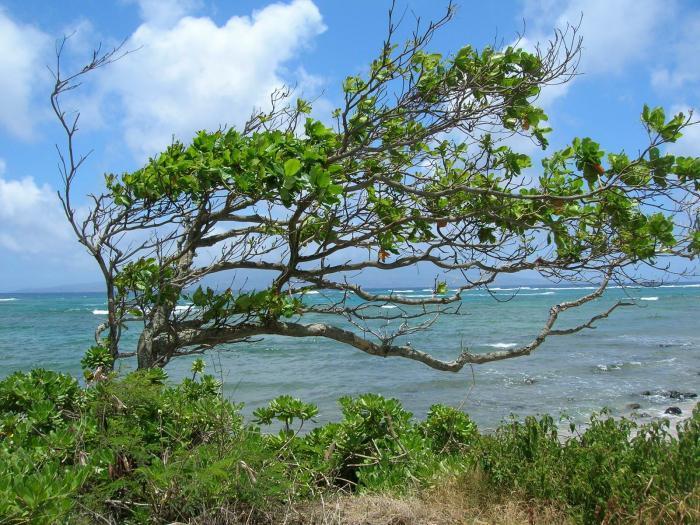
—observations
—countries
—peak records
Least ConcernConservation statusIUCN Red List categoriesLCNTVUENCREWEXLeast ConcernRed List categories, explained →
Diet & preyAutotrophic
Predators
- Fruit Bats
- Crabs
- Cockatoos
ThreatsCoastal development, shoreline erosion, severe storm surges
HabitatsCoastal beaches, rocky shores, sandy dunes, estuarine margins
Life span60–100 years
Classification
- OrderMyrtales
- FamilyCombretaceae
- GenusTerminalia
- SpeciesTerminalia catappa
Range data is not available yet.
Interaction riskLow
- Low
- Moderate
- High
- Very high
- Why interaction risk is low
- Wild fruits and nuts have toxic look-alikes; never eat wild plant parts based on app identification alone.
Responsible observation
- Branching Pattern: Look for distinctive horizontal tiered canopy layers extending outward from a central trunk.
- Foliage Spotting: Search for large, spoon-shaped leaves that turn bright scarlet or gold before dropping.
- Fruit Drift: Check sandy tide lines for tough, fibrous almond-shaped pods washed ashore.
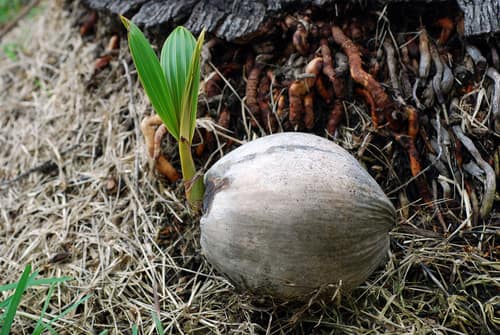
Coastal Companion (c) Douglas Goldman, some rights reserved (CC BY-SA), uploaded by Douglas Goldman · cc-by-sa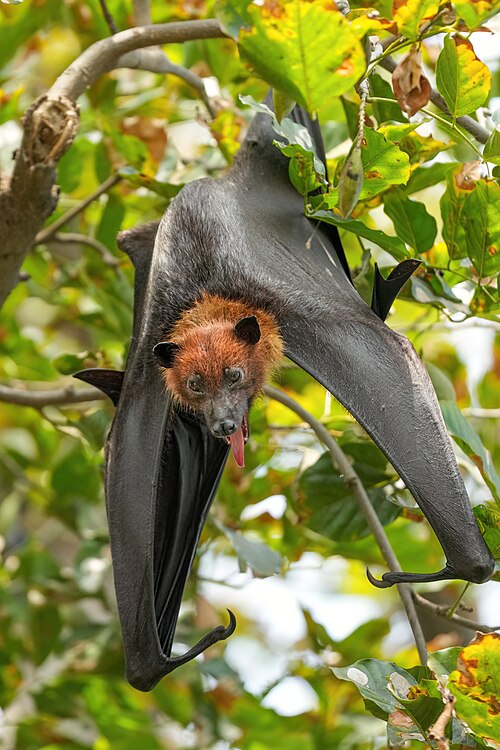
Seed Disperser Giles Laurent / CC BY-SA 4.0 · cc-by-sa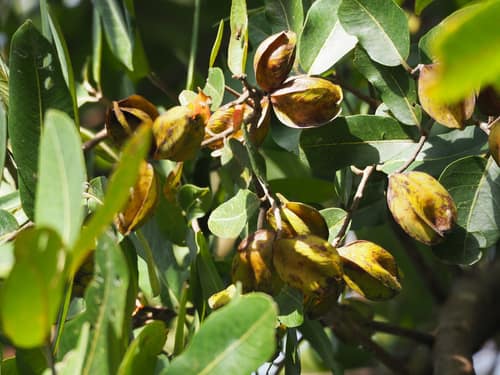
Close Relative no rights reserved, uploaded by 葉子 · cc0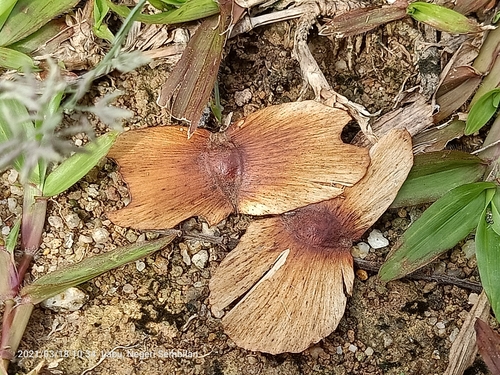
Close Relative (c) Ong Jyh Seng, some rights reserved (CC BY-SA) · cc-by-sa
Help improve the field guideSomething wrong?
Checking your Fauna account…Report a name, category, or profile issue for review.