
Plant · GBIF taxon 3188829
Tall Evening Primrose
Oenothera elataAlso known as Hooker's Evening Primrose, Tall Evening-Primrose, Hooker Evening Primrose
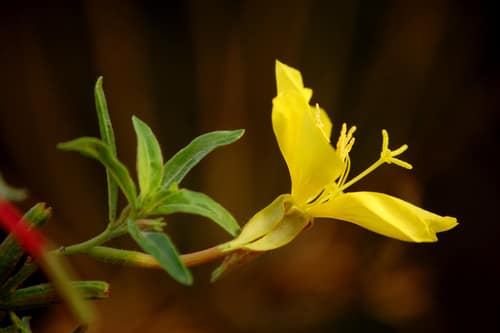
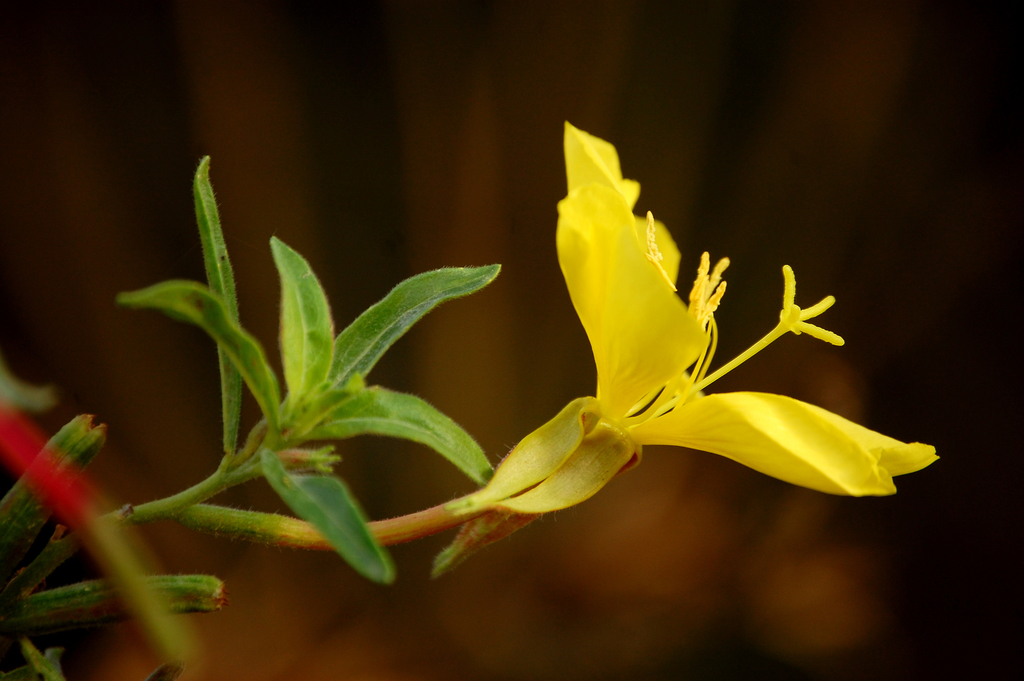
Tall evening primrose unfurls its bright golden-yellow blossoms in the twilight, releasing a subtle fragrance to attract nocturnal pollinators like hawk moths. During the day, the delicate four-petaled flowers wilt into reddish hues while fresh buds prepare for the next evening's display. These robust plants thrive in moist meadows, woodland edges, and along roadsides across western North America.
NocturnalYellow FlowersNative Wildflower
—observations
—countries
—peak records
Least ConcernConservation statusIUCN Red List categoriesLCNTVUENCREWEXLeast ConcernRed List categories, explained →
Diet & prey
- Sunlight
- Water
- Soil Nutrients
Predators
- Moth Caterpillars
- Deer
- Aphids
ThreatsHerbicide application, habitat destruction, invasive plant competition
HabitatsMoist meadows, stream banks, roadsides, open woodlands
Life span2–3 years
Classification
- OrderMyrtales
- FamilyOnagraceae
- GenusOenothera
- SpeciesOenothera elata
Range data is not available yet.
Interaction riskLow
- Low
- Moderate
- High
- Very high
- Why interaction risk is low
- Safe to observe at a normal distance.
Responsible observation
- Dusk Watching: Visit patches around sunset to observe the flowers open in a matter of minutes.
- Photography Tip: Use gentle illumination at dusk to capture visiting sphinx moths without disturbing them.
- Habitat Preservation: Leave wild stands intact to support local nocturnal insects.
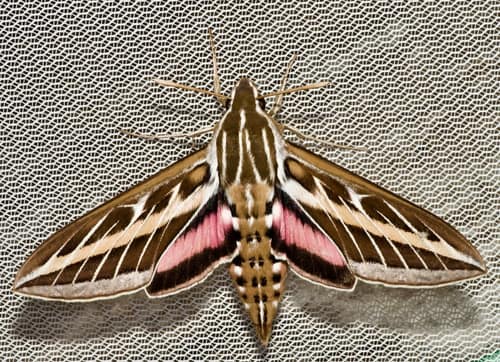
Pollinator (c) Michelle W. (鍾偉瑋), some rights reserved (CC BY), uploaded by Michelle W. (鍾偉瑋) · cc-by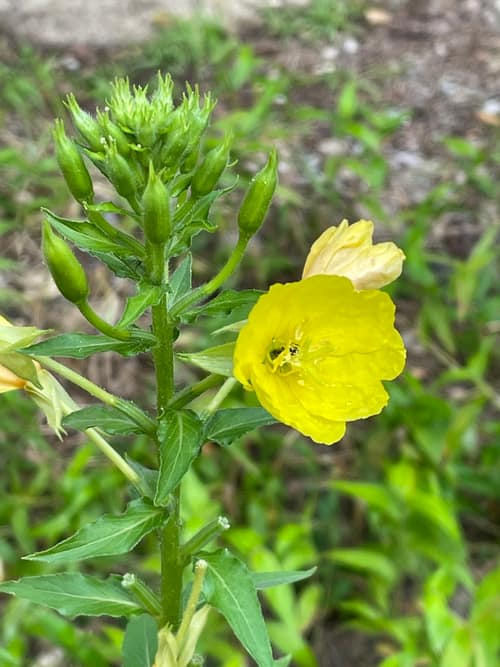
Close Relative (c) Tom Pollard, some rights reserved (CC BY), uploaded by Tom Pollard · cc-by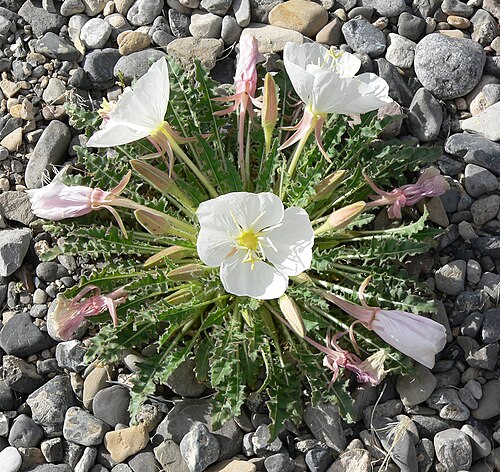
Close Relative Stan Shebs / CC BY-SA 3.0 · cc-by-sa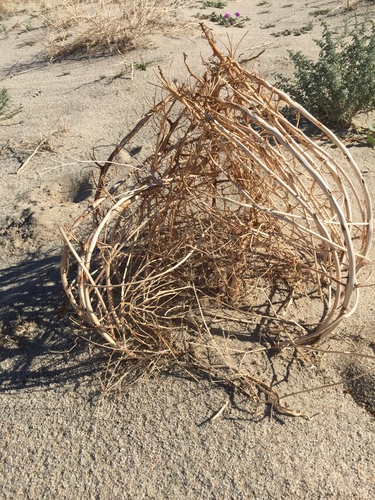
Close Relative no rights reserved, uploaded by Kate Harper · cc0
Help improve the field guideSomething wrong?
Checking your Fauna account…Report a name, category, or profile issue for review.