
Plant
Rose-apple
Syzygium jambosAlso known as Malabar Plum, Pommarosa, Jambu
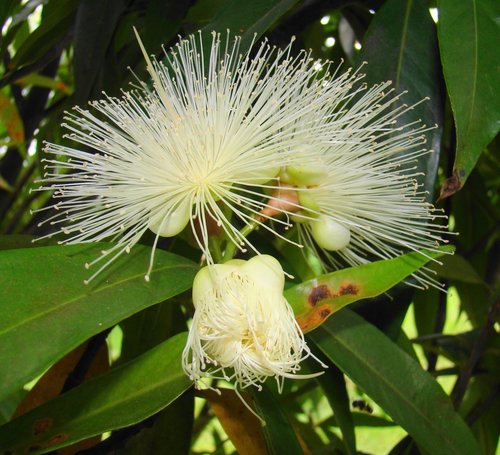
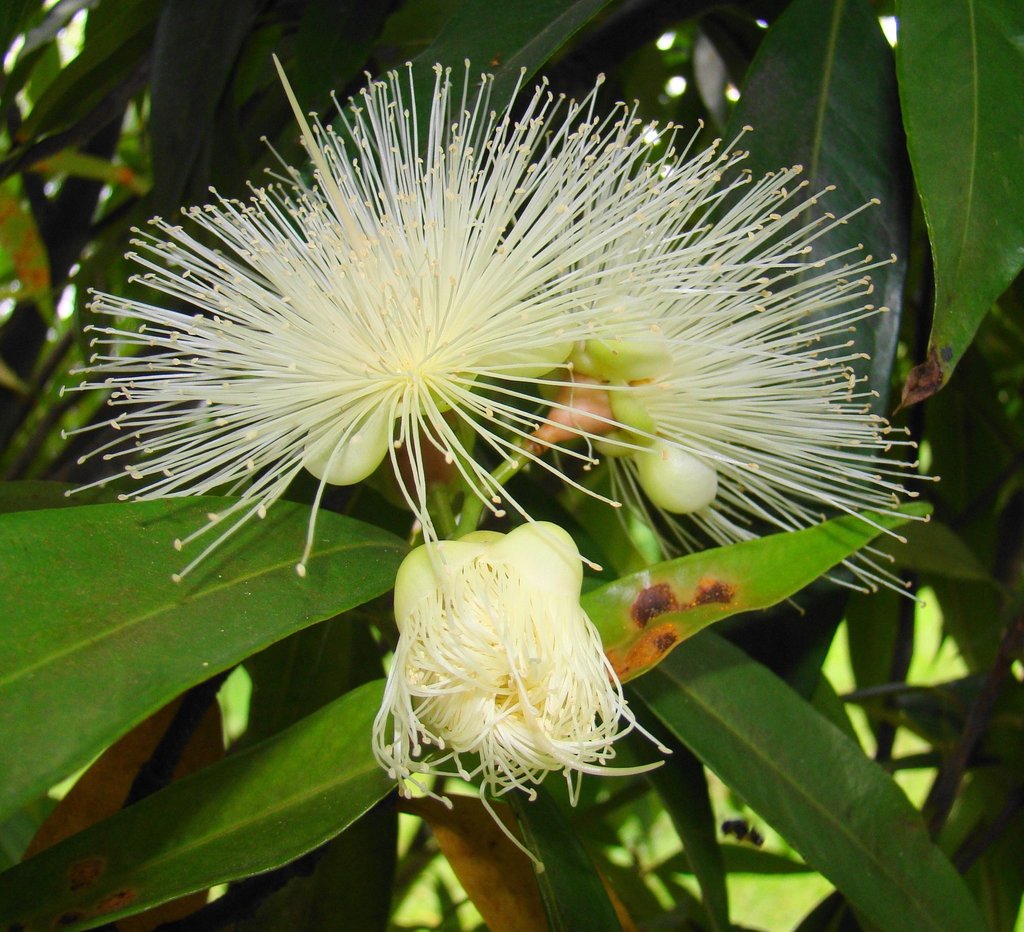
Rose-apple forms a dense, spreading evergreen canopy adorned with long, lance-shaped leaves and showy clusters of creamy-white flowers packed with dozens of dramatic, radiating stamens. Native to Southeast Asia, this adaptable tree thrives along moist riverbanks and humid valleys, where fallen fruits disperse readily downstream to colonize fresh alluvial soil. While planted worldwide as an ornamental shade tree, vigorous seedling regeneration allows it to form dense thickets that crowd out native flora across tropical island ecosystems.
TropicalEvergreenFlowering Tree
—observations
—countries
—peak records
Least ConcernConservation statusIUCN Red List categoriesLCNTVUENCREWEXLeast ConcernRed List categories, explained →
Diet & preyAutotrophic (photosynthesis)
Predators
- Fruit bats
- Myrtle rust (Puccinia psidii)
- Fruit flies
ThreatsMyrtle rust fungus, habitat loss, clearing for development
HabitatsTropical rainforest margins, stream banks, moist disturbed forests
Life span40–60 years
Classification
- OrderMyrtales
- FamilyMyrtaceae
- GenusSyzygium
- SpeciesSyzygium jambos
Range data is not available yet.
Interaction riskLow
- Low
- Moderate
- High
- Very high
- Why interaction risk is low
- Wild fruits have toxic look-alikes; never eat based on app identification alone.
Responsible observation
- Spotting Blooms: Look for explosive clusters of starburst-like white stamens during peak flowering periods in spring.
- Foliage Inspection: Check new shoot tips for bright copper-pink tints before the leaves mature into deep green.
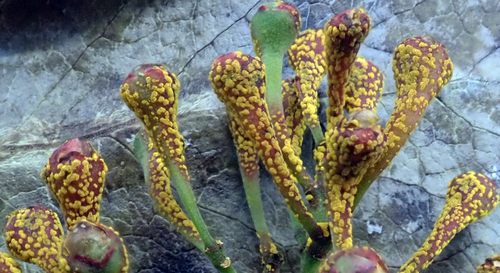
Parasite no rights reserved, uploaded by Peter de Lange · cc0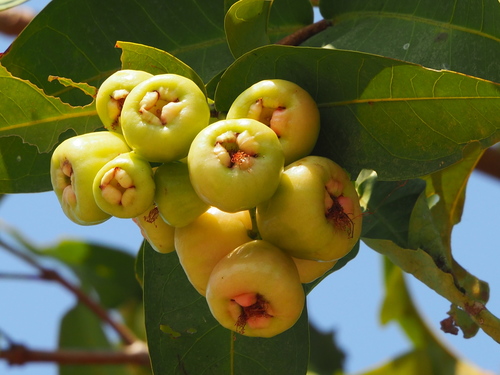
Close Relative no rights reserved, uploaded by 葉子 · cc0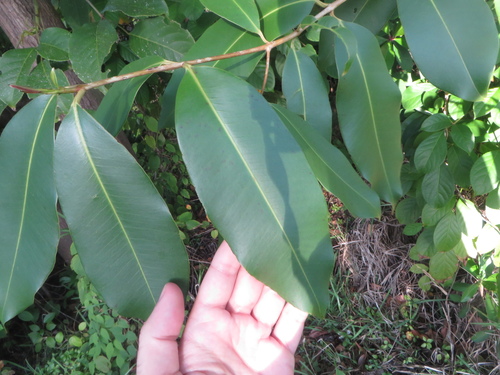
Close Relative (c) Ben Machado, some rights reserved (CC BY) · cc-by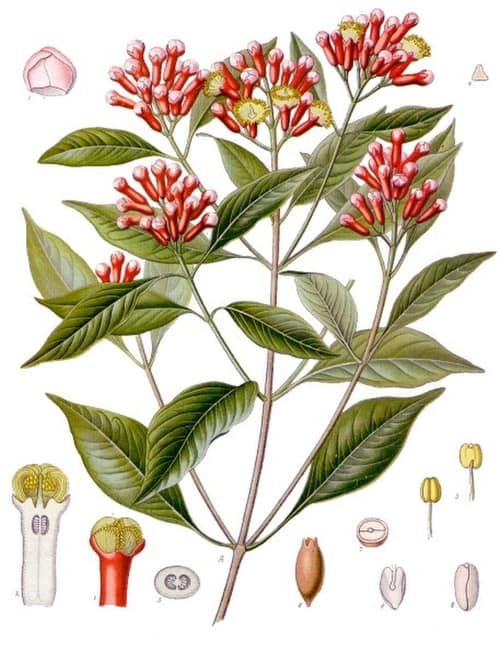
Close Relative Franz Eugen Köhler, Köhler's Medizinal-Pflanzen / Public domain · cc0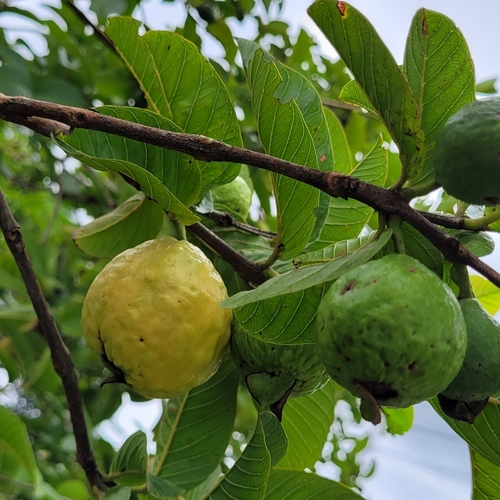
Same Family (c) Daniel Dias, some rights reserved (CC BY-SA), uploaded by Daniel Dias · cc-by-sa
Help improve the field guideSomething wrong?
Checking your Fauna account…Report a name, category, or profile issue for review.