Also known as Bastard Jarrah, Woollybutt, Southern Mahogany
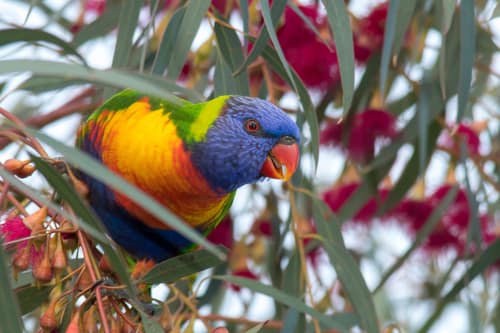
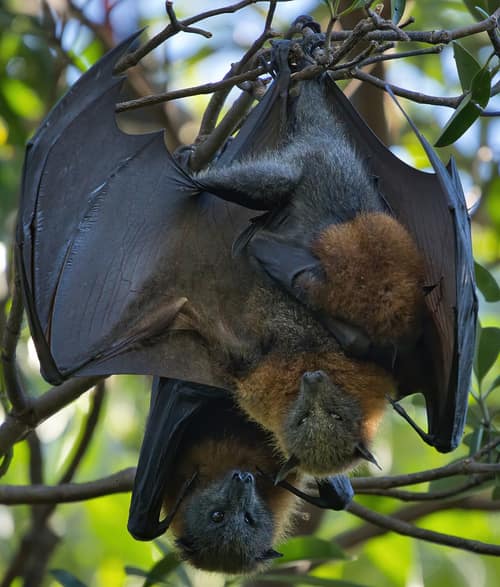
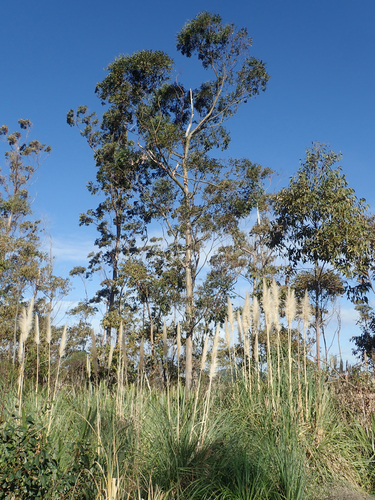
Bangalay is a resilient coastal and woodland eucalypt of southeastern Australia, shifting from a wind-sculpted mallee behind sand dunes to a towering forest tree in sheltered gullies. Thick, fibrous bark shields its trunk and branches, allowing the tree to resprout rapidly from epicormic buds and a woody lignotuber after bushfires. In summer and autumn, clusters of creamy-white flowers burst from the canopy, drawing swarms of nectar-feeding birds, insects, and flying-foxes.
ThreatsCoastal urban development, land clearing, and altered fire regimes
HabitatsCoastal dunes, open woodlands, and sandstone or shale gullies
Life span100–200+ years
Classification
OrderMyrtales
FamilyMyrtaceae
GenusEucalyptus
SpeciesEucalyptus botryoides
Range & activity
Range data is not available yet.
Safe observation
Interaction riskHigh
Low
Moderate
High
Very high
Why interaction risk is high
Leaves contain essential oils toxic to pets and humans if ingested; safe to observe and touch.
Why it is dangerous
Foliage contains 1,8-cineole (eucalyptol) and other essential oils that can cause vomiting, diarrhea, lethargy, and central nervous system depression in dogs, cats, horses, and humans if ingested.
How to recognize a risky encounter
Recognize it by its rough, stringy grey-brown bark on both trunk and branches and lance-shaped leaves that smell strongly of eucalyptus when crushed.
What to do
Safe to admire and photograph from any distance; avoid chewing leaves and keep pets away from fallen branches or foliage.
What to notice
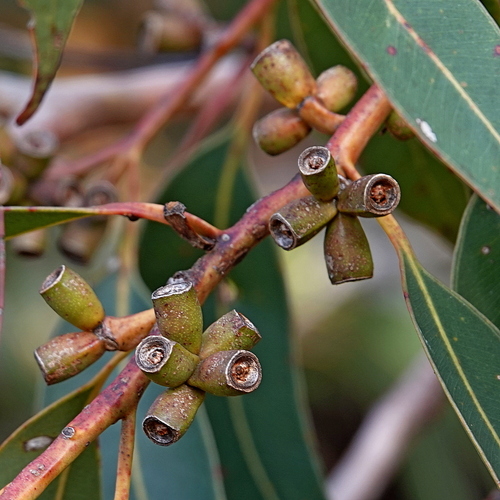
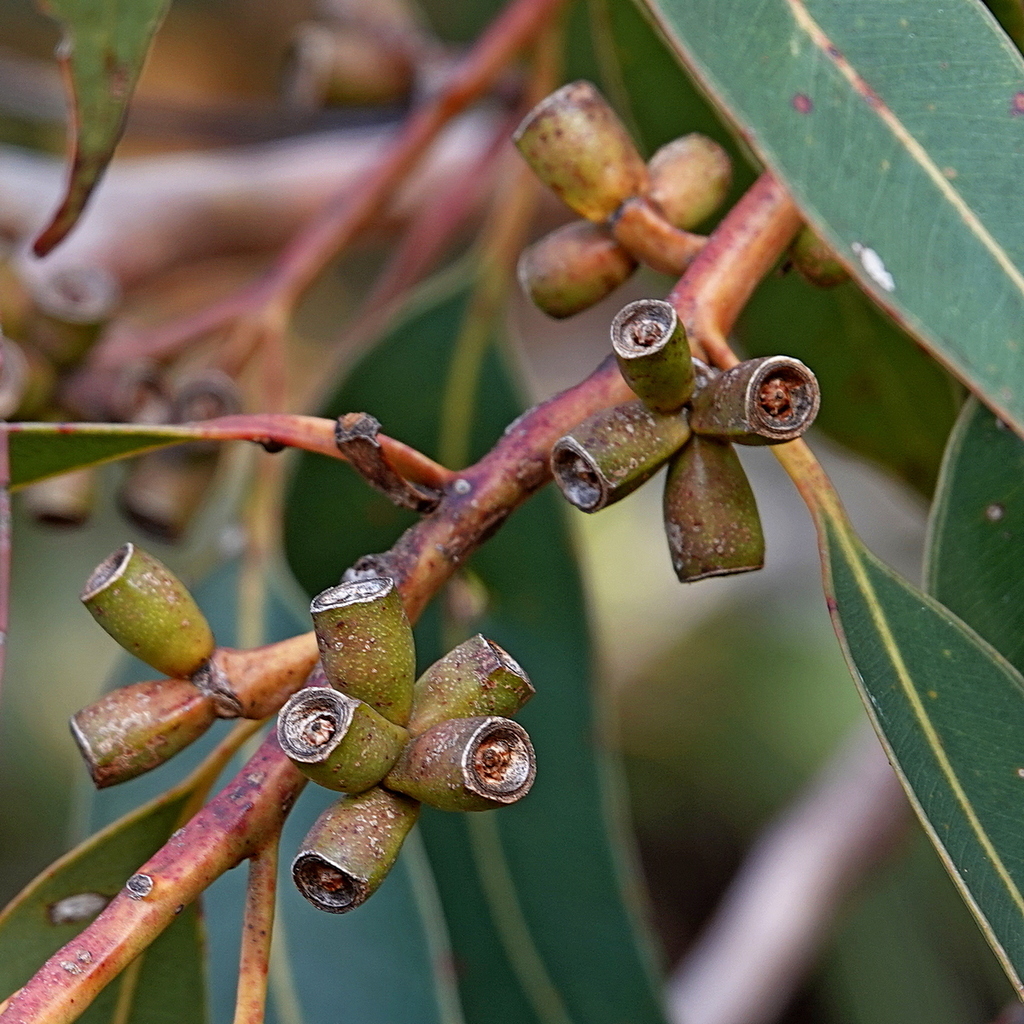
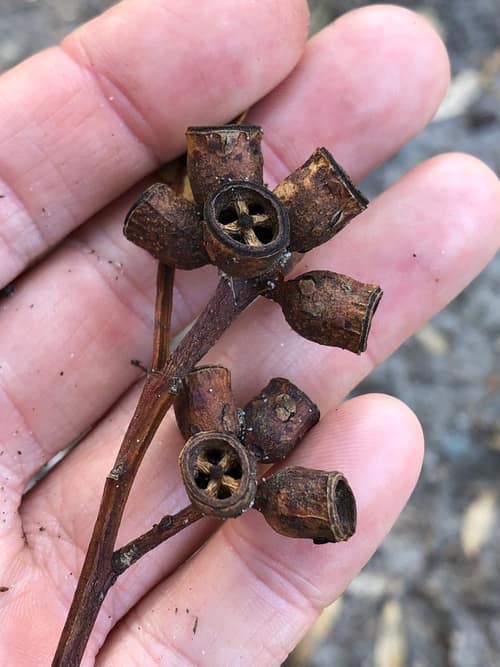
Found along coastal dunes, headlands, and lowland sandstone or shale valleys in southeastern Australia, bearing clusters of 7 to 11 barrel-shaped seed capsules.
Support conservation
Stay on established coastal tracks to protect root systems and regenerating seedlings, and never strip bark or collect branches from wild trees.
Responsible observation
Bark Check: Look for thick, fibrous, reddish-brown bark extending onto the main branches.
Leaf Shape: Note the glossy, dark green upper leaf surface and distinctly paler underside.
Pet Safety: Keep dogs from chewing fallen leaves or bark, which contain toxic oils.