
Plant · GBIF taxon 3172615
Southern Catalpa
Catalpa bignonioidesAlso known as Cigartree, Indian Bean Tree, Catawba Tree, Smoking Bean Tree
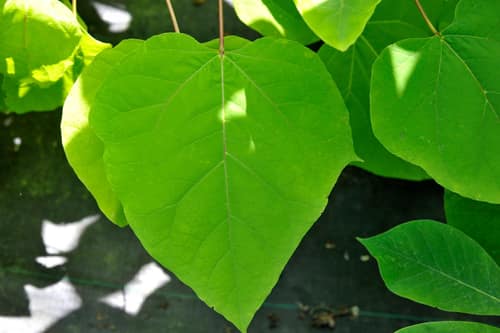
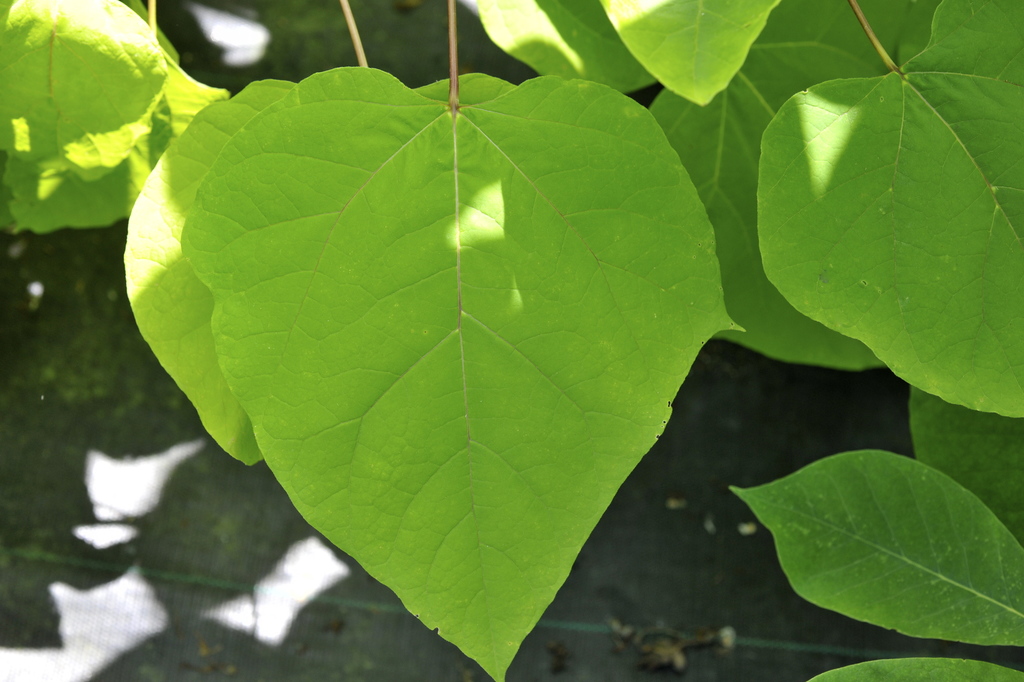
Southern catalpa stands out in late spring with dense panicles of white, trumpet-shaped flowers marked by purple spots and yellow stripes. Large, heart-shaped leaves cast deep shade, while late summer brings slender, dangling seed pods that persist through winter. High-volume foliage makes this tree the sole host plant for the catalpa sphinx moth, whose caterpillars are famously prized by local anglers.
DeciduousFloweringHost Plant
—observations
—countries
—peak records
Data DeficientConservation statusIUCN Red List categoriesLCNTVUENCREWEXData Deficient — not placed on the risk ladderRed List categories, explained →
Diet & prey
- Autotrophic (Photosynthetic)
Predators
- Catalpa Sphinx Caterpillar
- Beaver
- White-Tailed Deer
ThreatsDefoliation by sphinx moth larvae, wind damage, fungal rot
HabitatsRiparian zones, riverbanks, moist forests, urban parklands
Life span50–100 years
Size / weightNot available
Classification
- OrderLamiales
- FamilyBignoniaceae
- GenusCatalpa
- SpeciesCatalpa bignonioides
Range data is not available yet.
Interaction riskHigh
- Low
- Moderate
- High
- Very high
- Why interaction risk is high
- Roots and foliage contain iridoid glycosides; do not ingest any plant parts or seed pods.
- Why it is dangerous
- Roots, foliage, and bark contain catalpin glycosides that cause mild gastrointestinal symptoms if consumed.
- How to recognize a risky encounter
- Recognized by large heart-shaped leaves in whorls of three and long dangling green to brown bean-like pods.
- What to do
- Avoid chewing or eating any wild plant parts or long seed pods.
Responsible observation
- Identification: Look for large heart-shaped leaves arranged in whorls of three along coarse twigs.
- Observation: Visit in late spring to catch the showy bloom and attendant pollinating bees.
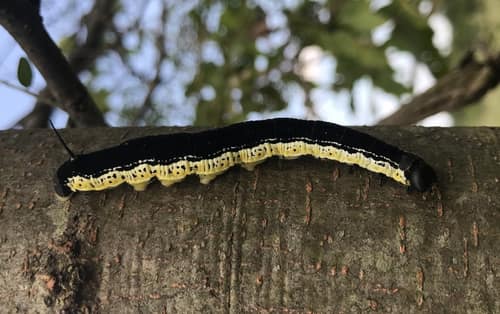
Specialist Herbivore (c) Michael Ellis, some rights reserved (CC BY), uploaded by Michael Ellis · cc-by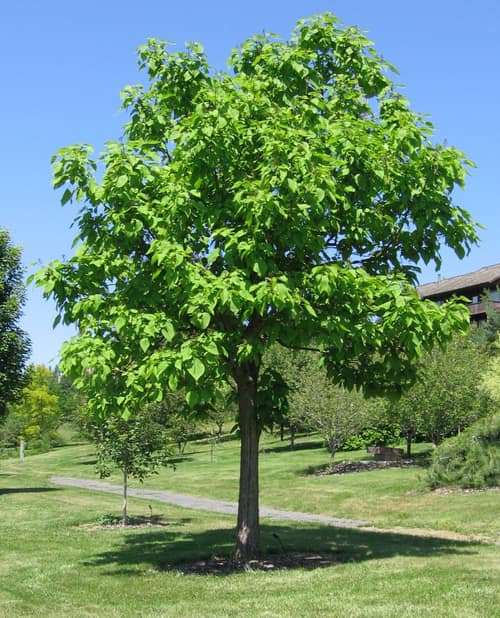
Close Relative Mark Wagner / CC BY 2.5 · cc-by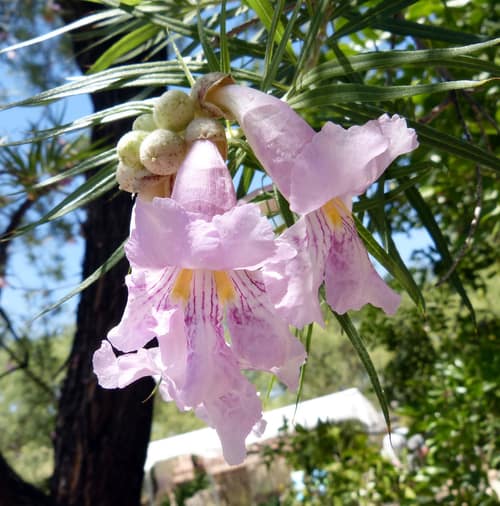
Family Relative (c) gailhampshire, some rights reserved (CC BY) · cc-by
Help improve the field guideSomething wrong?
Checking your Fauna account…Report a name, category, or profile issue for review.