
Plant
Northern Catalpa
Catalpa speciosaAlso known as Hardy Catalpa, Western Catalpa, Cigar Tree, Catawba
Northern catalpas command attention with giant heart-shaped leaves and springtime clusters of trumpet-shaped white flowers patterned with purple spots and yellow stripes. Dangling bean-like seed pods persist on branches throughout winter, earning the species its popular nickname of cigar tree. Highly adaptable to floodplains and urban soils alike, these fast-growing shade trees provide critical canopy shelter and host specialized caterpillars.
Deciduous TreeShowy FlowersHeart-Shaped Leaves
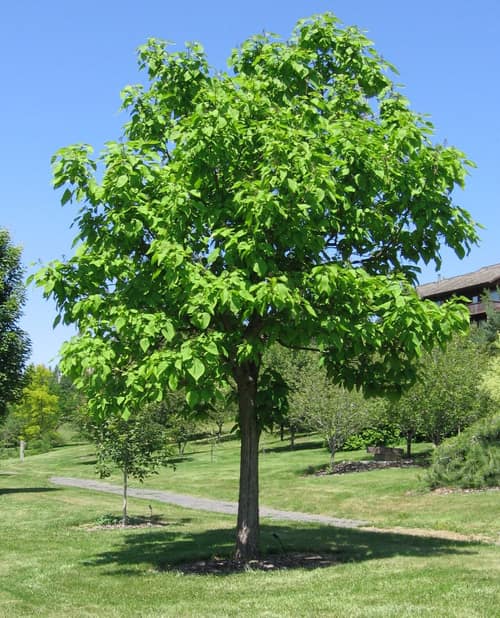
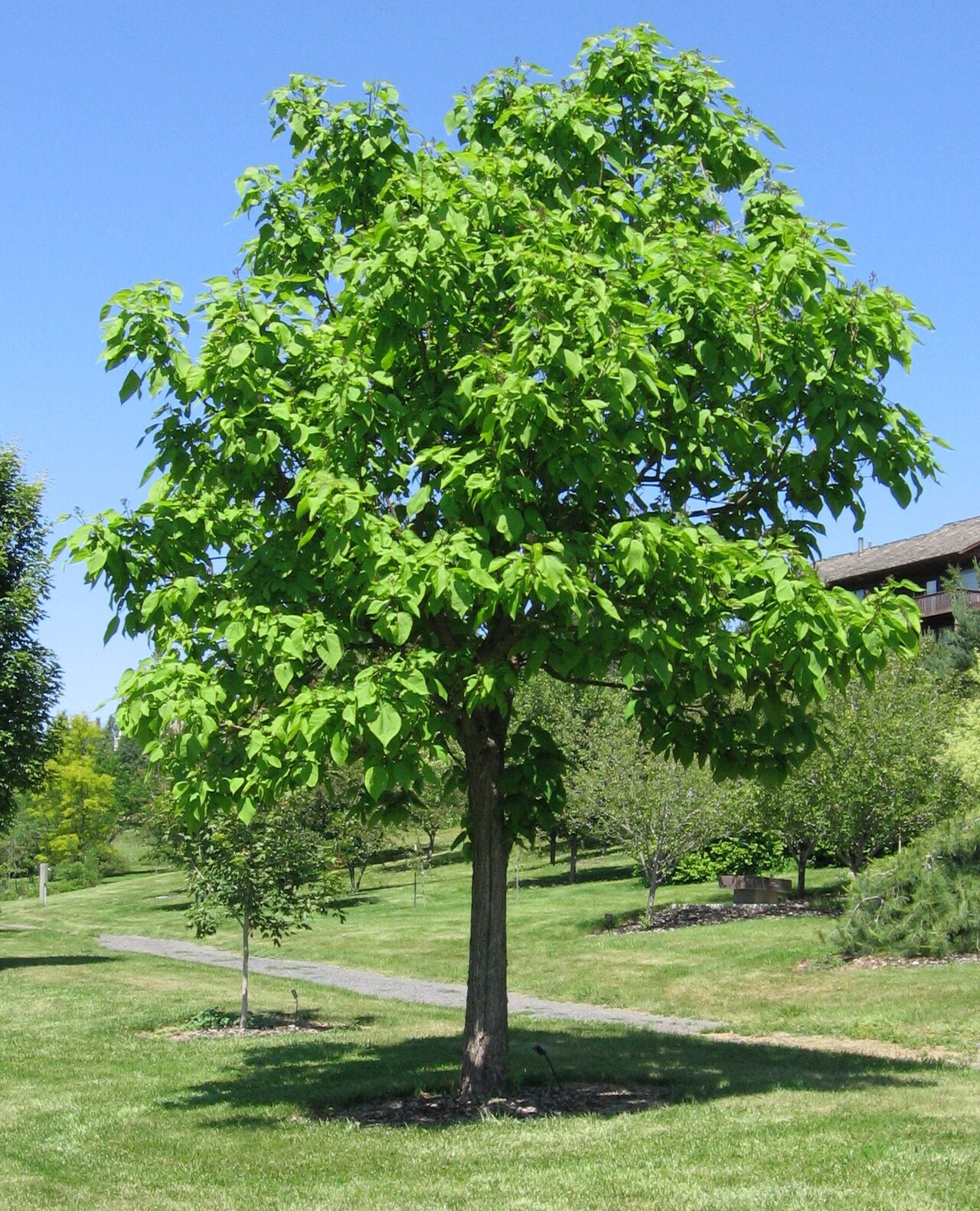
—observations
—countries
—peak records
Least ConcernConservation statusIUCN Red List categoriesLCNTVUENCREWEXLeast ConcernRed List categories, explained →
Diet & preySunlight, Water, Soil Minerals
Predators
- Catalpa Sphinx Moth
- White-Tailed Deer
- Eastern Cottontail
ThreatsVerticillium Wilt, Heart Rot, Heavy Storm Damage
HabitatsRiparian Forests, Floodplains, Urban Parks, Disturbed Sites
Life span50–100 years
Classification
- OrderLamiales
- FamilyBignoniaceae
- GenusCatalpa
- SpeciesCatalpa speciosa
Range data is not available yet.
Interaction riskHigh
- Low
- Moderate
- High
- Very high
- Why interaction risk is high
- Safe to observe at a normal distance.
Responsible observation
- Spring Flowers: Look for massive clusters of speckled, white trumpet blooms in late May or June.
- Winter Silhouette: Identify bare trees by their persistent, long brown seed pods hanging from twigs.
- Caterpillar Tracking: Scan the oversized leaf surfaces for colorful catalpa sphinx moth larvae.
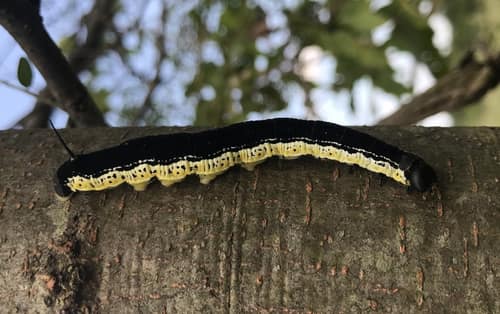
Specialist Herbivore (c) Michael Ellis, some rights reserved (CC BY), uploaded by Michael Ellis · cc-by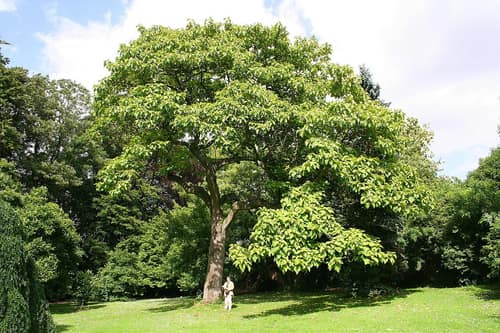
Look-Alike Jean-Pol GRANDMONT / CC BY 2.5 · cc-by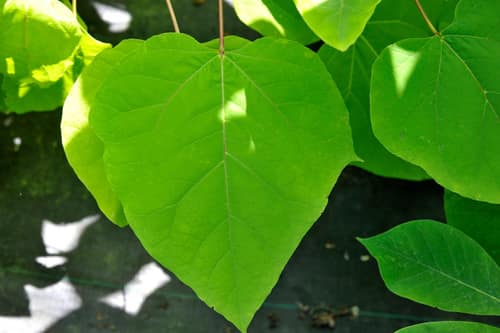
Close Relative (c) Megan Hansen, some rights reserved (CC BY-SA) · cc-by-sa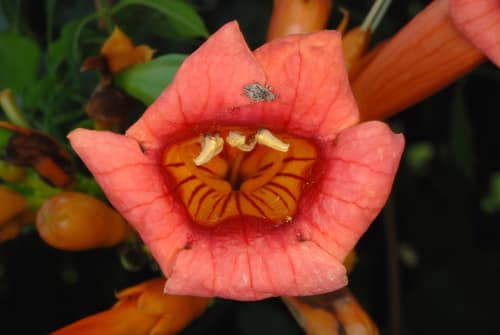
Family Member (c) Douglas Goldman, some rights reserved (CC BY-SA), uploaded by Douglas Goldman · cc-by-sa
Help improve the field guideSomething wrong?
Checking your Fauna account…Report a name, category, or profile issue for review.