
Flower
Wishbone Flower
Torenia fournieriAlso known as Bluewings, Wishbone Plant
Wishbone flowers thrive in shaded garden borders and damp forest understories, displaying velvety two-lipped blossoms splashed with violet, blue, or pink hues and a bright yellow throat blotch. Deep inside each flower, two pairs of stamens curve toward each other and meet at the tips, forming a delicate wishbone shape that transfers pollen onto visiting bees. Native to moist tropical regions of Southeast Asia, this compact annual flourishes in hot, humid summers where cooler-climate bedding plants fade.
FloweringShade-TolerantAnnual
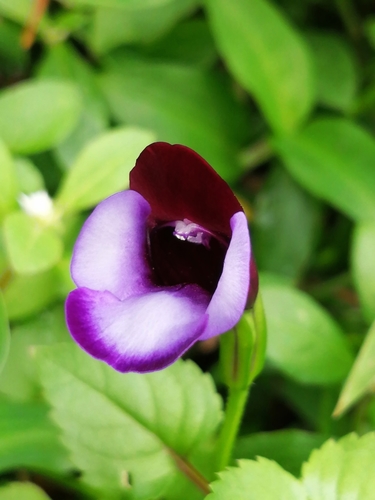
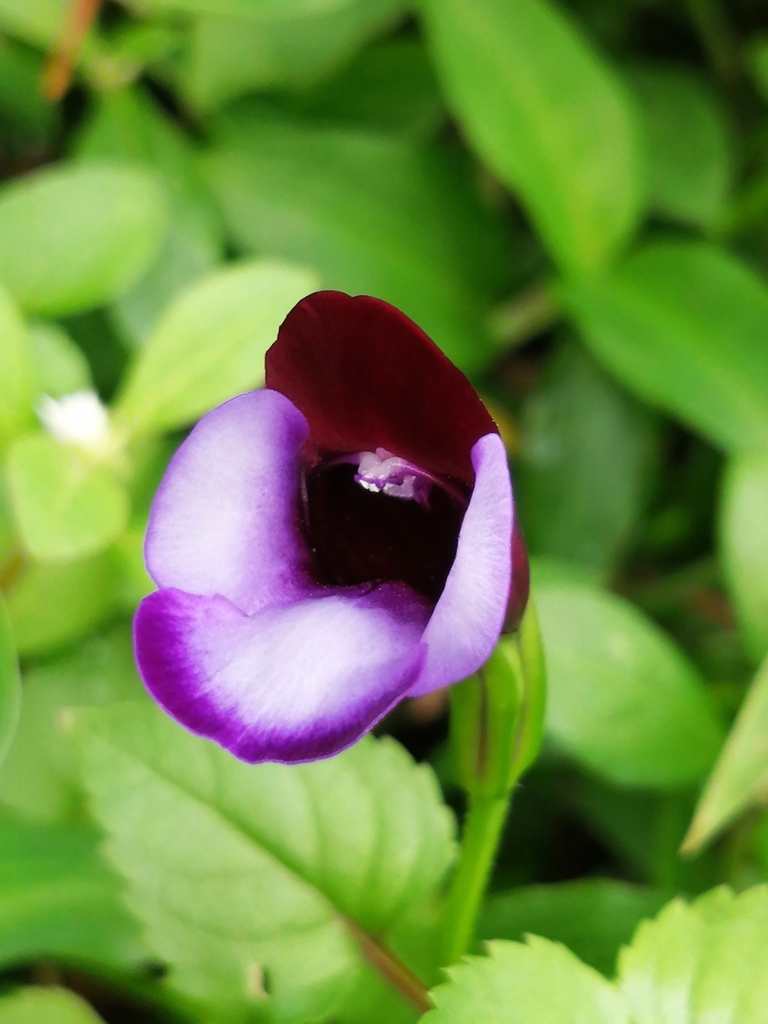
—observations
—countries
—peak records
Not EvaluatedConservation statusIUCN Red List categoriesLCNTVUENCREWEXNot Evaluated — not placed on the risk ladderRed List categories, explained →
Diet & preyPhotoautotrophic
Predators
- Slugs
- Snails
- Spider Mites
ThreatsHabitat conversion, extended drought, early frost
HabitatsForest margins, stream banks, humid tropical valleys, cultivated gardens
Life span1 year (annual)
Classification
- OrderLamiales
- FamilyLinderniaceae
- GenusTorenia
- SpeciesTorenia fournieri
Range data is not available yet.
Interaction riskLow
- Low
- Moderate
- High
- Very high
- Why interaction risk is low
- Safe to observe at a normal distance.
Responsible observation
- Floral Inspection: Gently look down the throat of an open bloom to spot the fused, wishbone-like stamens.
- Sun Exposure: Grow or observe in dappled shade, as harsh afternoon direct sun scorches the foliage.
- Moisture Needs: Keep soil evenly damp, as the shallow roots wilt rapidly in dry ground.
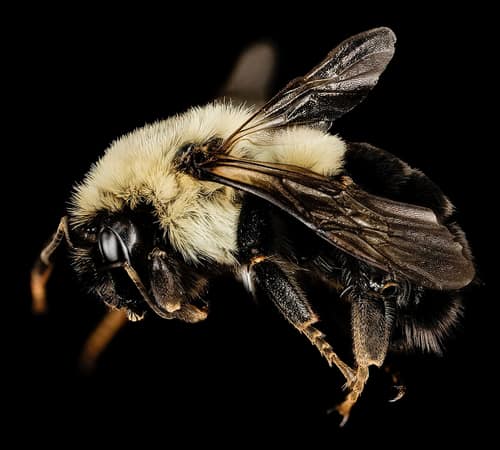
Pollinator USGS Bee Inventory and Monitoring Lab from Beltsville, Maryland, USA / Public domain · cc0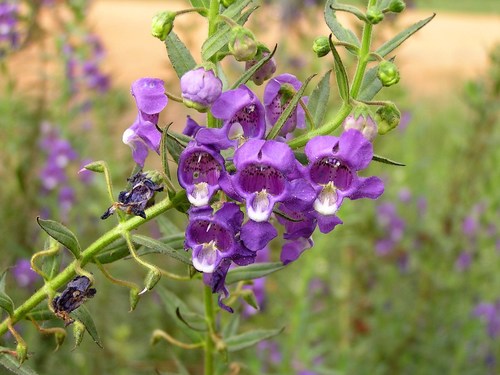
Frequent Companion (c) Nasser Halaweh, some rights reserved (CC BY), uploaded by Nasser Halaweh · cc-by Image unavailable
Close Relative
Help improve the field guideSomething wrong?
Checking your Fauna account…Report a name, category, or profile issue for review.