
Plant
Dense-flowered Mullein
Verbascum densiflorumAlso known as Denseflower Mullein, High Mullein
Dense-flowered Mullein towers over dry pastures and disturbed soils, producing a thick, woolly spike crammed with bright yellow blossoms in its second year of growth. Its soft, felted leaves form a basal rosette during the first season that traps heat and conserves moisture in harsh, open habitats. Bees and other insect pollinators flock to the dense inflorescence, which unfolds flowers sequentially from bottom to top over several summer weeks.
BiennialYellow FlowersPollinator Magnet
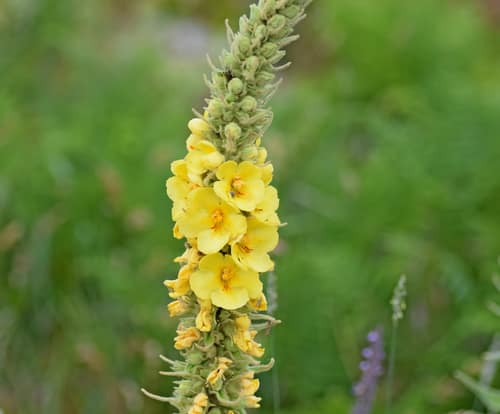
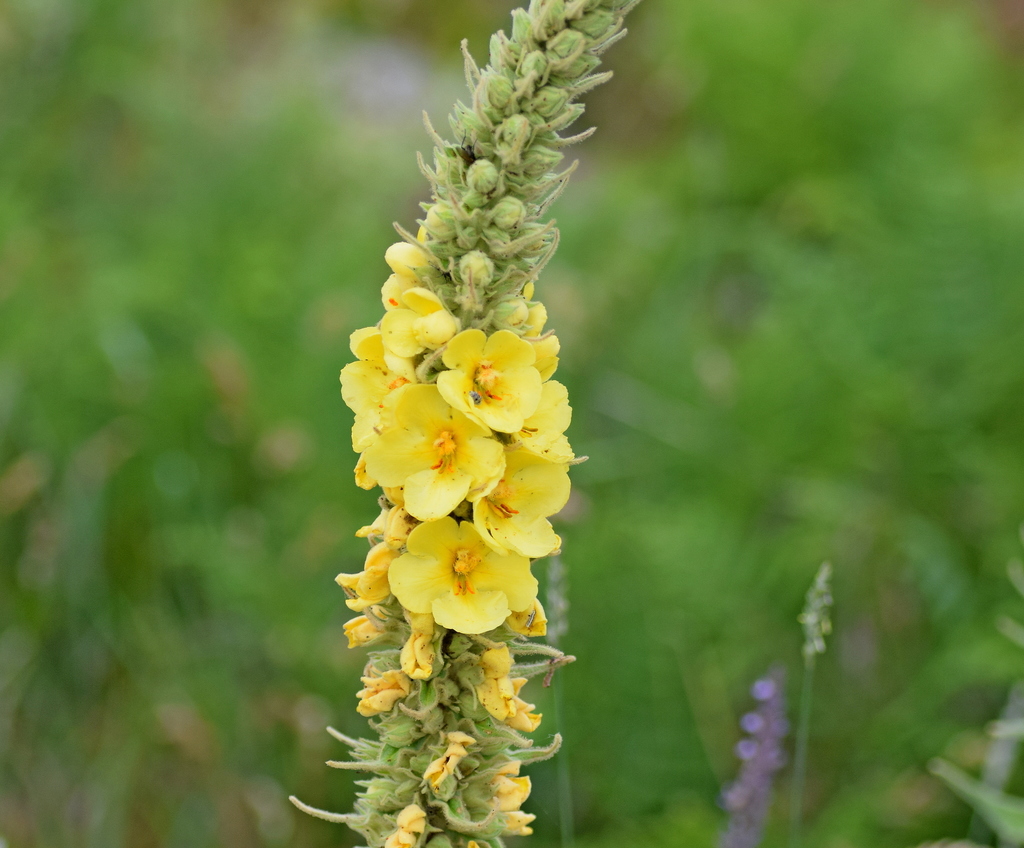
—observations
—countries
—peak records
Least ConcernConservation statusIUCN Red List categoriesLCNTVUENCREWEXLeast ConcernRed List categories, explained →
Diet & preySunlight, Water, Soil Minerals
Predators
- Grazing Herbivores
- Caterpillars
- Aphids
ThreatsHabitat loss, intense land development, weed management practices
HabitatsDry grasslands, meadows, roadsides, disturbed soils, and gravel pits
Life span2 years (Biennial)
Classification
- FamilyScrophulariaceae
- SpeciesVerbascum densiflorum
Range data is not available yet.
Interaction riskLow
- Low
- Moderate
- High
- Very high
- Why interaction risk is low
- Safe to observe at a normal distance.
Responsible observation
- Observation: Look for the characteristic winged stems where leaf bases extend down along the stalk.
- Photography: Capture closeups of the fuzzy yellow stamens and orange-bearded filaments in bright morning light.
- Garden Care: Allow seed heads to dry naturally if encouraging self-seeding in sunny wildflower plots.
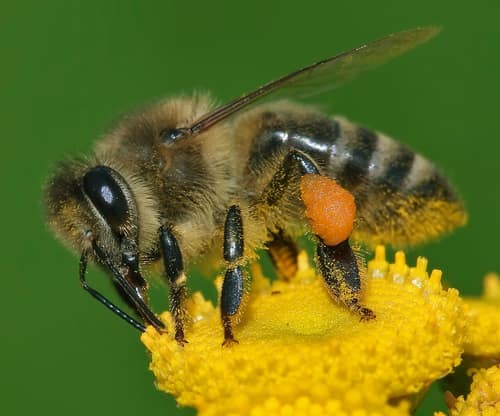
Pollinator Andreas Trepte / CC BY-SA 2.5 · cc-by-sa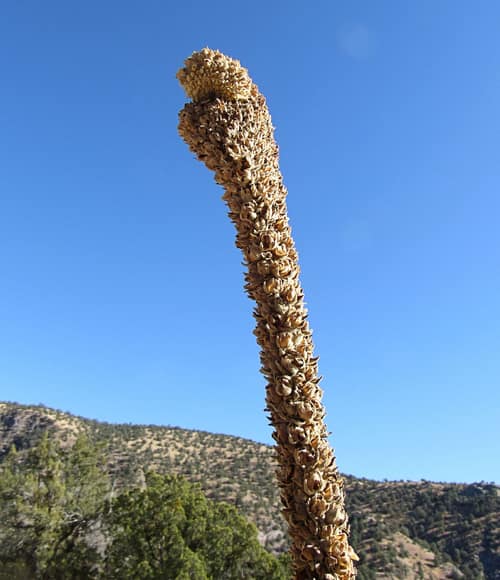
Close Relative (c) Wendy McCrady, some rights reserved (CC BY), uploaded by Wendy McCrady · cc-by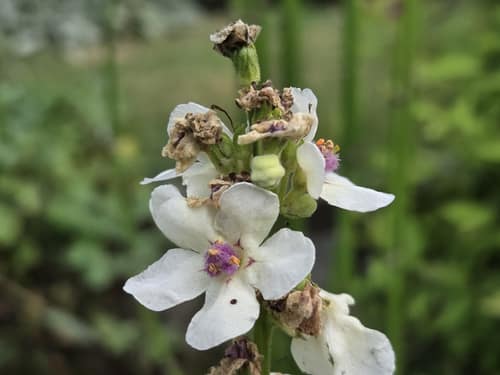
Close Relative (c) Bellsprout, some rights reserved (CC BY) · cc-by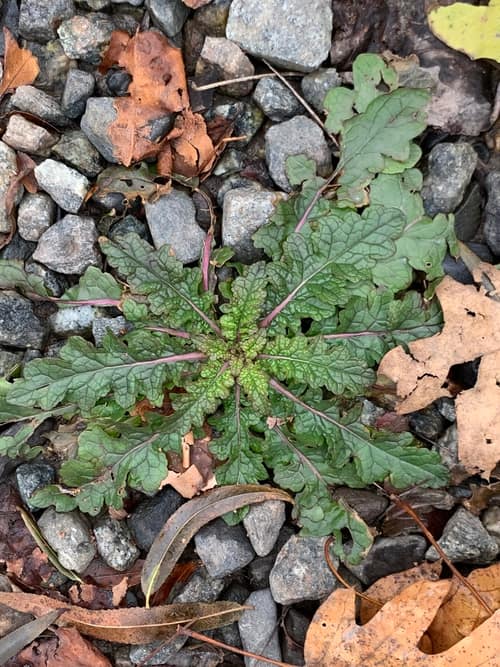
Close Relative (c) Sandy Wolkenberg, some rights reserved (CC BY), uploaded by Sandy Wolkenberg · cc-by
Help improve the field guideSomething wrong?
Checking your Fauna account…Report a name, category, or profile issue for review.