
Plant
Princess Tree
Paulownia tomentosaAlso known as Empress Tree, Foxglove Tree, Royal Paulownia
Princess trees produce massive heart-shaped leaves and erect clusters of fragrant, pale violet flowers that open before the foliage emerges in early spring. Native to East Asia, this aggressive colonizer produces millions of tiny, winged seeds that drift into disturbed soil, burned sites, and urban cracks. Rapid growth rates of up to five meters per year allow young saplings to quickly shade out native flora along riverbanks and forest edges.
Fast-GrowingFlowering TreeDeciduous
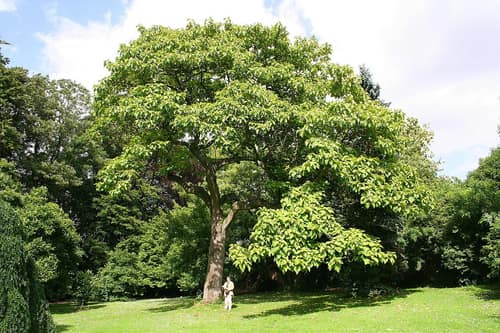
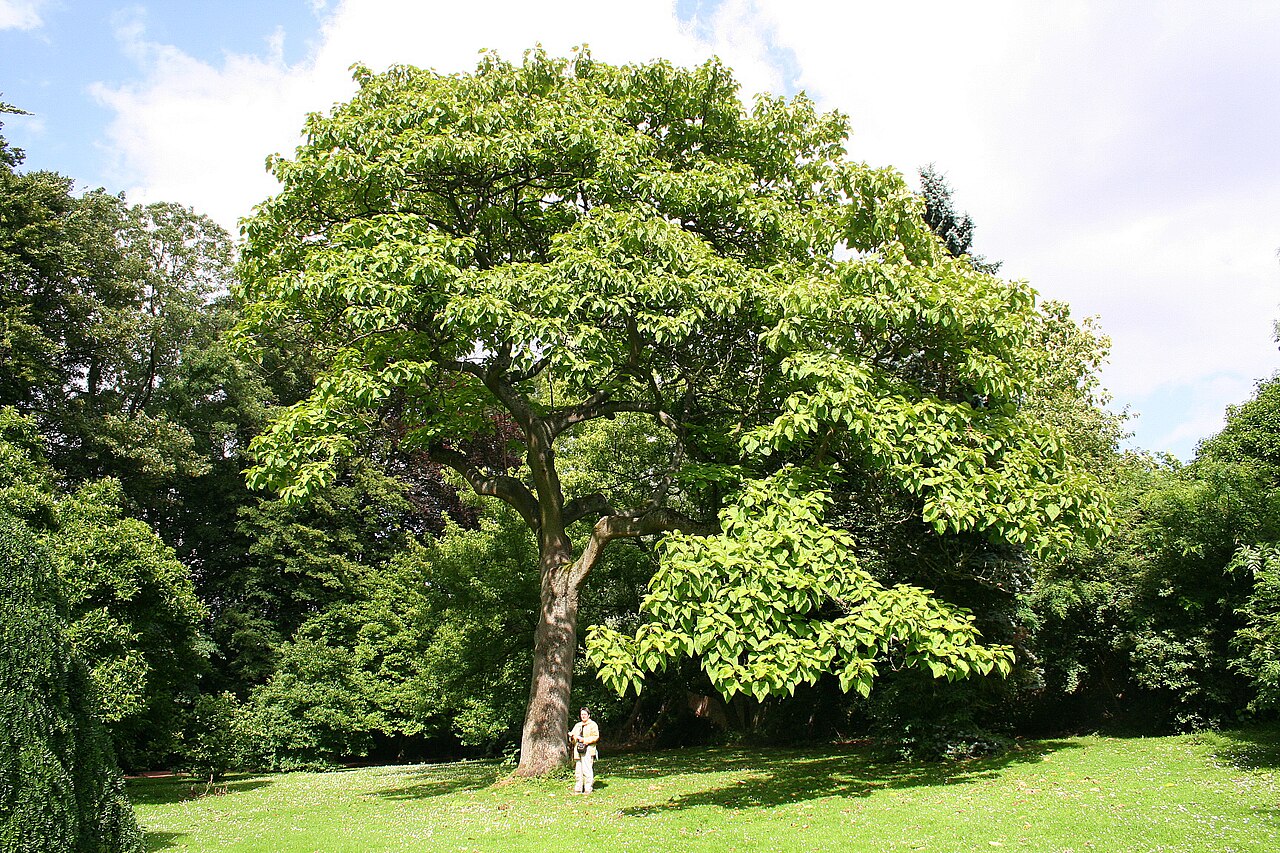
—observations
—countries
—peak records
Least ConcernConservation statusIUCN Red List categoriesLCNTVUENCREWEXLeast ConcernRed List categories, explained →
Diet & preyAutotrophic (Photosynthesis)
Predators
- Defoliating Caterpillars
- Wood-Boring Beetles
ThreatsHerbicides and mechanical removal management as an invasive species
HabitatsDisturbed forests, riverbanks, roadsides, rocky slopes
Life span70–120 years
Classification
- OrderLamiales
- FamilyPaulowniaceae
- GenusPaulownia
- SpeciesPaulownia tomentosa
Range data is not available yet.
Interaction riskLow
- Low
- Moderate
- High
- Very high
- Why interaction risk is low
- Safe to observe at a normal distance.
Responsible observation
- Spring Identification: Spot bright violet, foxglove-like floral clusters before leaves emerge in early spring.
- Seed Pods: Look for woody oval seed capsules persisting on bare winter branches.
- Sprout Control: Avoid planting near natural forest borders to limit aggressive seed spread.
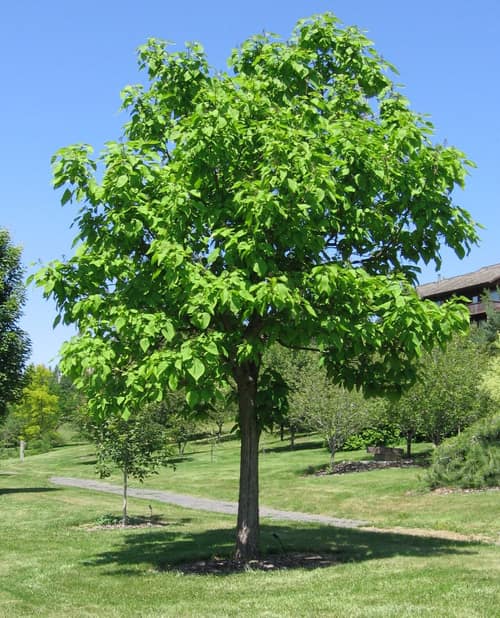
Look-Alike Mark Wagner / CC BY 2.5 · cc-by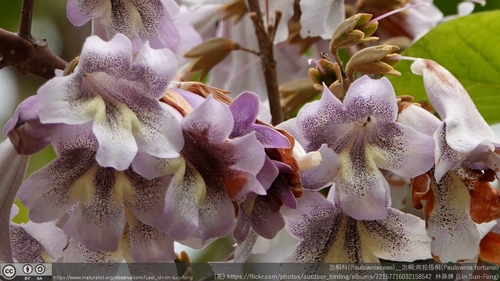
Close Relative (c) 林孫鋒(Lin Sun Fong), some rights reserved (CC BY-SA) · cc-by-sa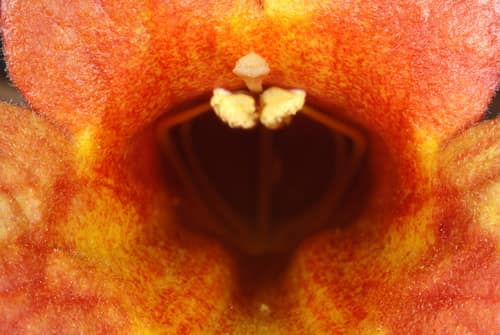
Order Relative (c) Douglas Goldman, some rights reserved (CC BY-SA), uploaded by Douglas Goldman · cc-by-sa
Help improve the field guideSomething wrong?
Checking your Fauna account…Report a name, category, or profile issue for review.