
Plant
Butterfly Milkweed
Asclepias tuberosaAlso known as Butterfly Weed, Pleurisy Root, Orange Milkweed, Chigger Flower
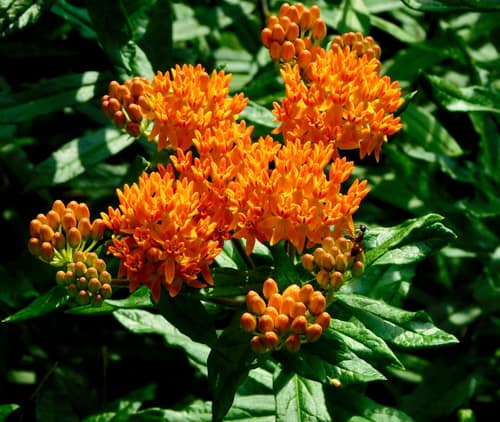
Brilliant flat topped clusters of neon orange flowers draw swarms of butterflies and bees throughout midsummer heat. Unlike most other milkweeds, its hairy stems exude clear sap rather than a milky latex when broken. A deep, woody taproot makes established plants extraordinarily drought tolerant and resilient in sandy, nutrient poor soils.
FloweringPollinator AttractorPerennial

—observations
—countries
—peak records
Least ConcernConservation statusIUCN Red List categoriesLCNTVUENCREWEXLeast ConcernRed List categories, explained →
Diet & preyAutotrophic
Predators
- Monarch Caterpillar
- Red Milkweed Beetle
- Large Milkweed Bug
ThreatsHabitat loss, widespread pesticide use
HabitatsPrairies, fields, dry open woods, roadsides
Life span10–20+ years
Classification
- OrderGentianales
- FamilyApocynaceae
- GenusAsclepias
- SpeciesAsclepias tuberosa
Range data is not available yet.
Interaction riskHigh
- Low
- Moderate
- High
- Very high
- Why interaction risk is high
- Contains cardiac glycosides; do not ingest and keep away from pets and livestock.
- Why it is dangerous
- Contains cardiac glycosides that disrupt heart rhythm and cause nausea, vomiting, or lethargy if ingested.
- How to recognize a risky encounter
- Look for bright orange flat-topped flower clusters and hairy stems that yield clear rather than milky sap.
- What to do
- Do not consume any part of the plant, and keep pets from chewing on foliage.
Responsible observation
- Gardening: Plant in full sun and well-draining soil to encourage bright summer blooms.
- Observation: Look for monarch eggs and caterpillars on the undersides of leaves.
- Handling: Leave established plants undisturbed due to their deep, sensitive taproot.
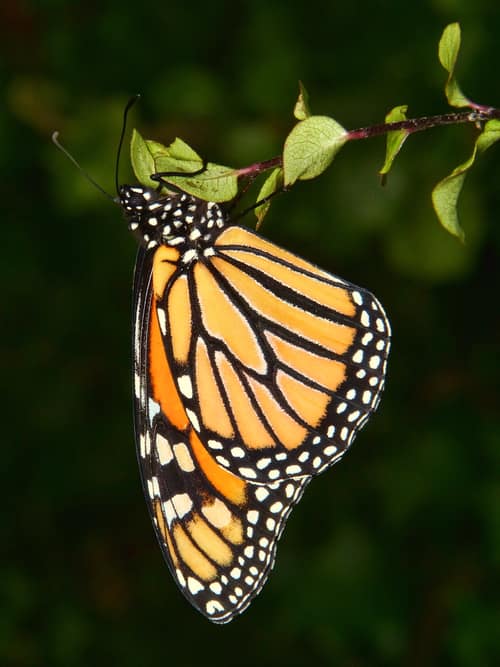
Pollinator Host Sid Mosdell from New Zealand / CC BY 2.0 · cc-by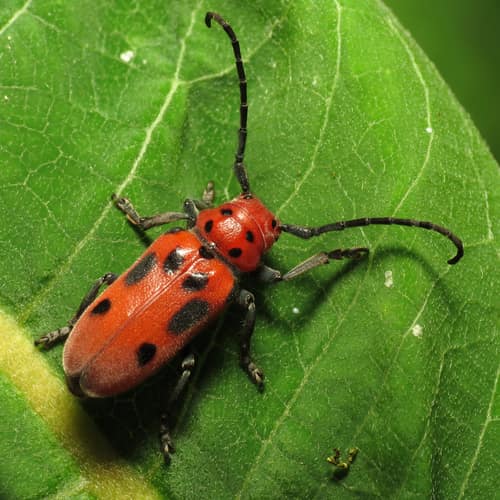
Herbivore (c) Katja Schulz, some rights reserved (CC BY) · cc-by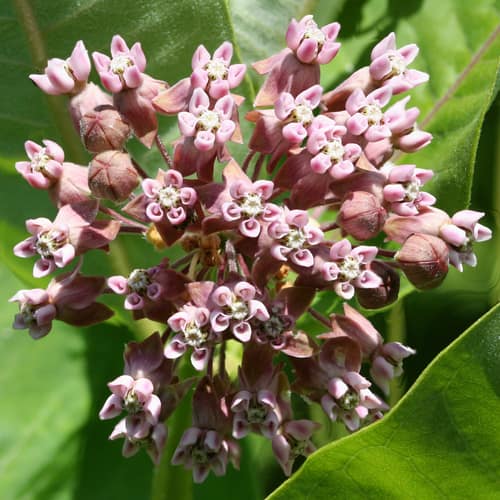
Close Relative (c) Randy Nonenmacher, some rights reserved (CC BY-SA) · cc-by-sa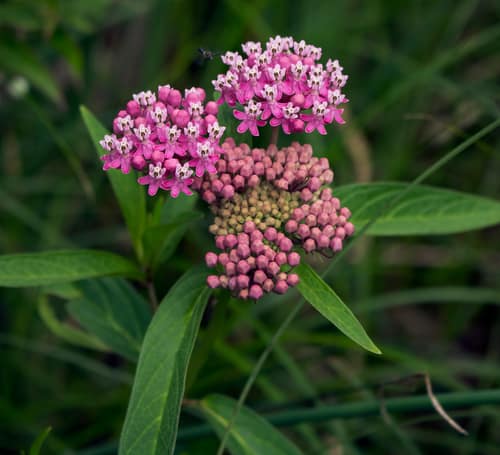
Close Relative (c) aarongunnar, some rights reserved (CC BY), uploaded by aarongunnar · cc-by
Keep collecting in Fauna
Found in Collections
Ecosystem chain Pro
Prairie Plains
Butterfly Milkweed is found in this collection. Identify it in Fauna to fill this slot and continue your progress.
Unlock to track progress
Help improve the field guideSomething wrong?
Checking your Fauna account…Report a name, category, or profile issue for review.