
Plant · GBIF taxon 3170241
Tropical Milkweed
Asclepias curassavicaAlso known as Bloodflower, Mexican Butterfly Weed, Scarlet Milkweed, Cotton Bush
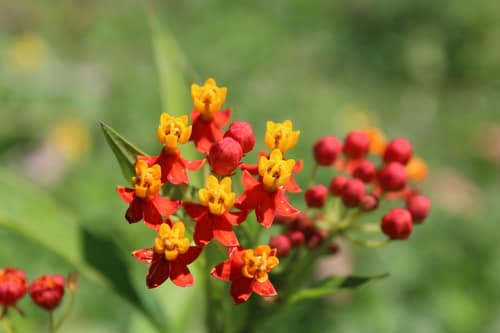
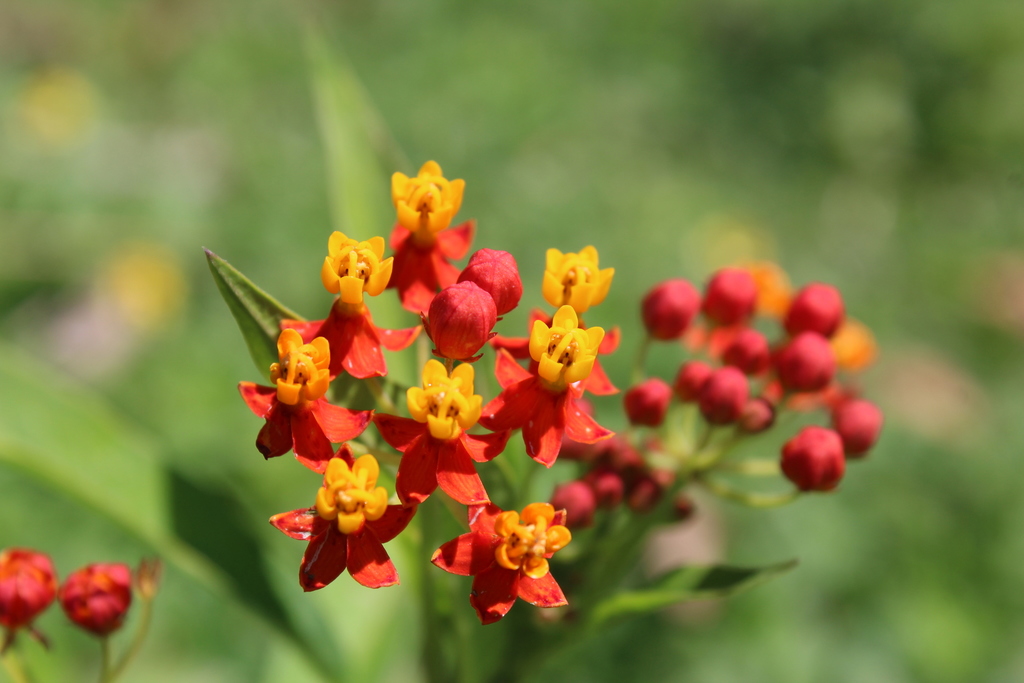
Tropical milkweed produces striking bi-colored clusters of crimson petals and yellow crowns that bloom continuously throughout warmer months. The plant secretes a milky latex rich in cardenolides, toxic cardiac glycosides that monarch caterpillars incorporate into their own tissues to deter predators. In non-native warm climates, year-round persistence can harbor parasites that disrupt butterfly migration, making seasonal pruning essential.
FloweringToxicButterfly Host
—observations
—countries
—peak records
Least ConcernConservation statusIUCN Red List categoriesLCNTVUENCREWEXLeast ConcernRed List categories, explained →
Diet & prey
- Sunlight
- Soil Nutrients
- Water
Predators
- Monarch Caterpillar
- Queen Caterpillar
- Oleander Aphid
ThreatsHerbicides, habitat conversion, fungal leaf spots
HabitatsDisturbed areas, roadsides, pastures, gardens, tropical thickets
Life spanPerennial (3–5 years)
Size / weightNot available
Classification
- OrderGentianales
- FamilyApocynaceae
- GenusAsclepias
- SpeciesAsclepias curassavica
Range data is not available yet.
Interaction riskHigh
- Low
- Moderate
- High
- Very high
- Why interaction risk is high
- Milky sap irritates skin and eyes, and all parts are toxic if ingested: wear gloves when handling.
- Why it is dangerous
- Contains cardiac glycosides that disrupt heart function if ingested and milky latex sap that causes severe eye and skin irritation.
- How to recognize a risky encounter
- Recognizable by pointed lanceolate leaves, milky white sap from broken stems, and terminal clusters of red and yellow flowers.
- What to do
- Wear protective gloves when handling, avoid eye contact, and wash hands thoroughly with soap and water after trimming.
Responsible observation
- Monarch Management: Cut back foliage in late autumn in non-native areas to prevent parasite buildup on wintering butterflies.
- Handling Care: Wear gloves when trimming to keep the sticky latex sap off skin and completely out of eyes.
- Garden Placement: Position alongside native flora to provide balanced forage options for local pollinators.
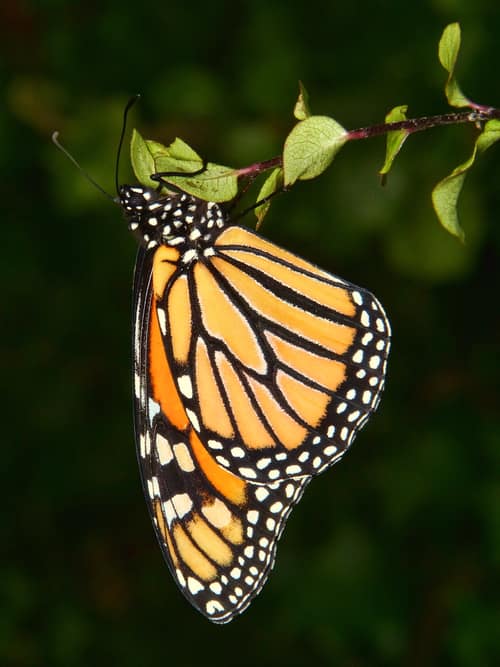
Herbivore Host Sid Mosdell from New Zealand / CC BY 2.0 · cc-by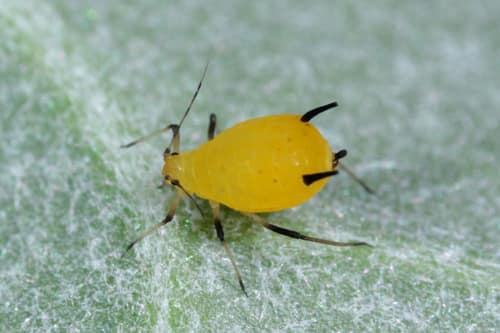
Herbivore (c) Franz Anthony, some rights reserved (CC BY), uploaded by Franz Anthony · cc-by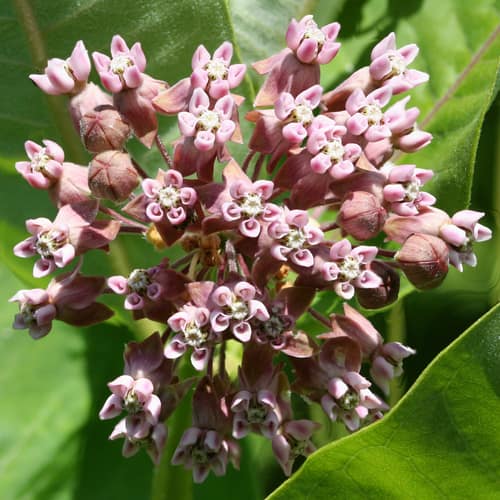
Close Relative (c) Randy Nonenmacher, some rights reserved (CC BY-SA) · cc-by-sa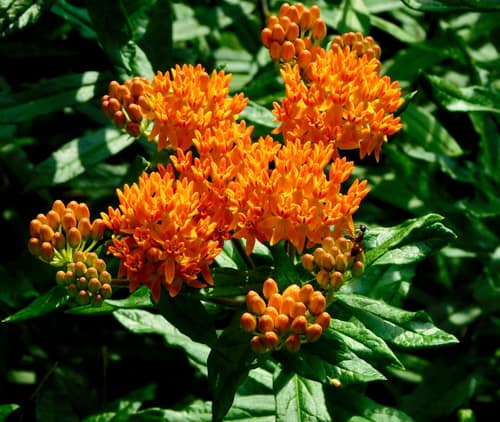
Close Relative (c) Michael J. Papay, some rights reserved (CC BY), uploaded by Michael J. Papay · cc-by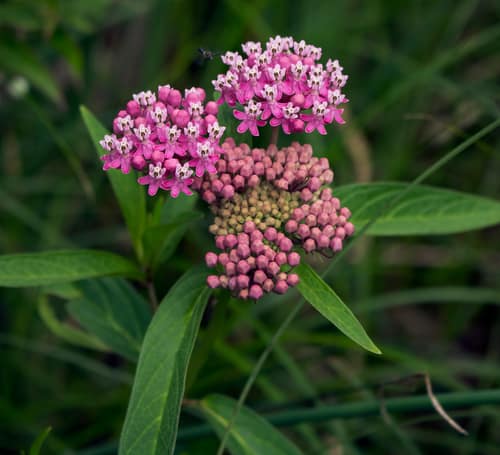
Close Relative (c) aarongunnar, some rights reserved (CC BY), uploaded by aarongunnar · cc-by
Keep collecting in Fauna
Found in Collections
Ecosystem chain Pro
Prairie Plains
Tropical Milkweed is found in this collection. Identify it in Fauna to fill this slot and continue your progress.
Unlock to track progress
Help improve the field guideSomething wrong?
Checking your Fauna account…Report a name, category, or profile issue for review.