
Plant · GBIF taxon 3170225
Funastrum cynanchoides
Funastrum cynanchoidesAlso known as Fringed Twinevine, Twining Milkweed, Climbing Milkweed
Fringed twinevines climb vigorously over desert shrubs, riparian thickets, and fences, hoisting arrow-shaped leaves toward the sunlight on slender twisting stems. Clusters of fragrant, star-shaped flowers bloom in pink and cream hues throughout the heat of summer, drawing a bustling community of native bees, wasps, and butterflies. Dense milky latex courses through its tissues, providing essential nourishment for queen butterfly larvae while deterring unspecialized herbivores.
Desert VineMilkweedPollinator Host
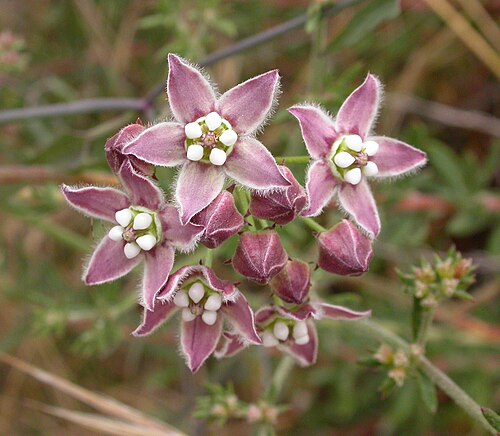
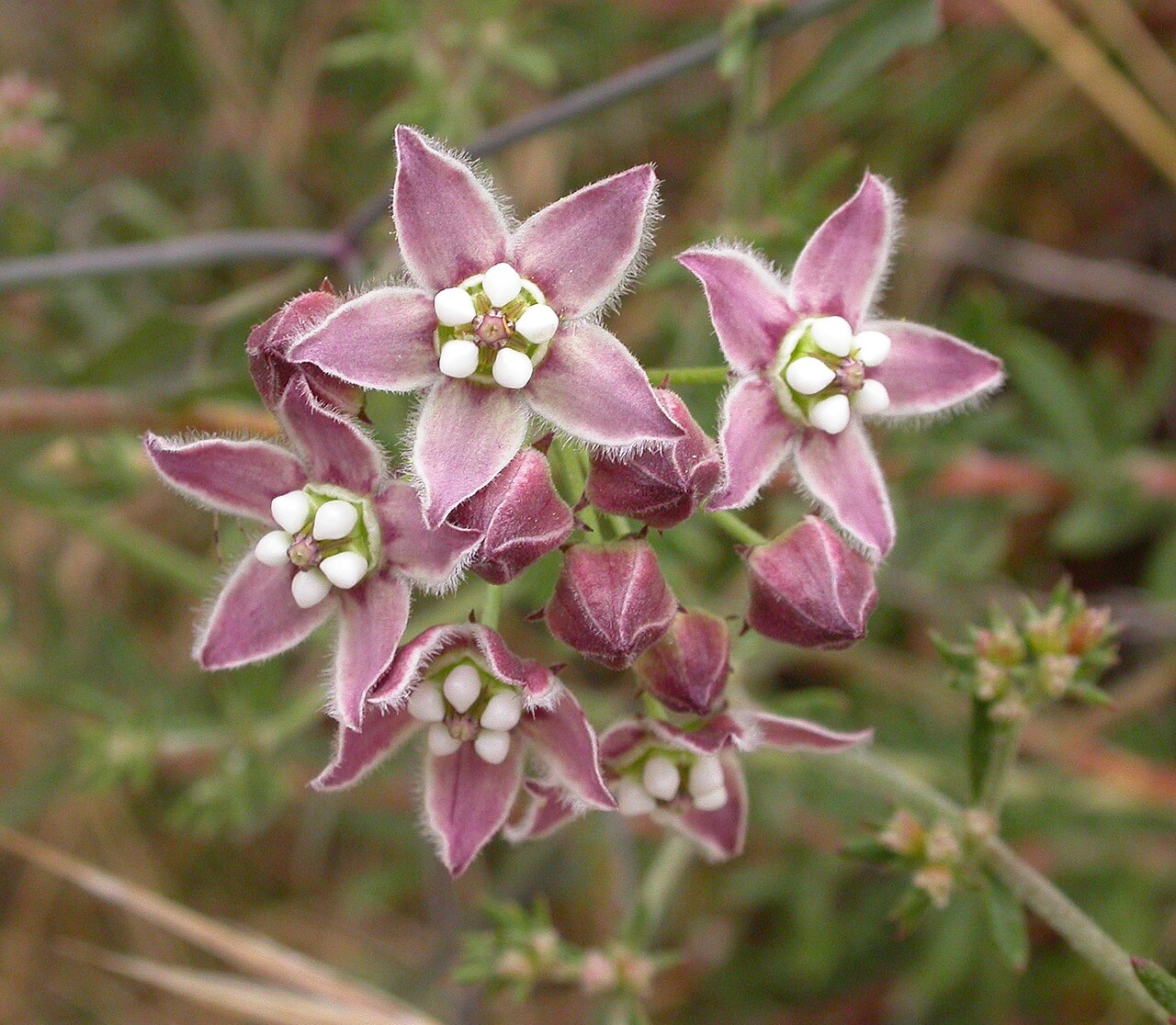
—observations
—countries
—peak records
Not EvaluatedConservation statusIUCN Red List categoriesLCNTVUENCREWEXNot Evaluated — not placed on the risk ladderRed List categories, explained →
Diet & prey
- Autotrophic (photosynthetic)
Predators
- Queen Butterfly Caterpillar
- Monarch Butterfly Caterpillar
- Large Milkweed Bug
ThreatsHerbicide application along utility corridors, severe prolonged drought, land development
HabitatsDesert washes, riparian borders, arid scrublands, roadsides
Life span10–25 years
Size / weightNot available
Classification
- OrderGentianales
- FamilyApocynaceae
- GenusFunastrum
- SpeciesFunastrum cynanchoides
Range data is not available yet.
Interaction riskHigh
- Low
- Moderate
- High
- Very high
- Why interaction risk is high
- Milky latex contains toxic cardiac glycosides and irritates skin; avoid ingestion and wash hands after contact.
- Why it is dangerous
- Plant tissues contain cardiac glycosides that disrupt heart rhythm if ingested, alongside caustic sap that irritates eyes and sensitive skin.
- How to recognize a risky encounter
- Recognizable by its twining desert vine habit, pungent odor, clusters of fringed star flowers, and copiously leaking white latex when stems break.
- What to do
- Observe without tearing the foliage, and wash promptly with cool water and soap if sticky sap contacts your skin.
Responsible observation
- Caterpillar Hunting: Inspect the underside of broad leaves for striped queen butterfly caterpillars throughout the summer.
- Latex Protection: Wear garden gloves when clearing overgrowth to keep the pungent white sap off your skin.
 Image unavailable
Same Genus 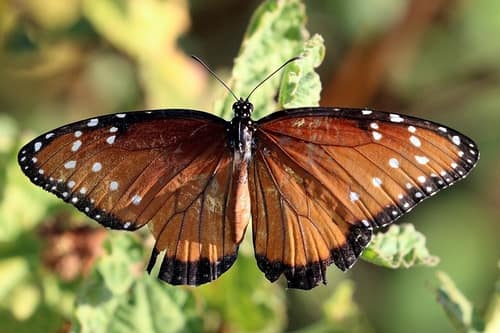
Herbivore Charles J. Sharp / CC BY-SA 4.0 · cc-by-sa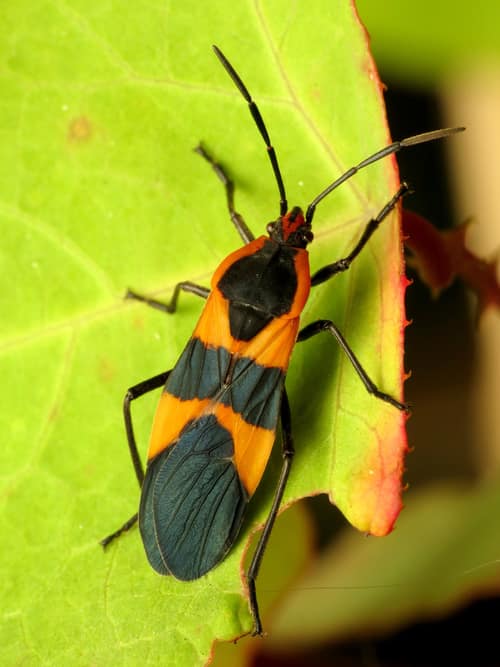
Herbivore (c) Katja Schulz, some rights reserved (CC BY) · cc-by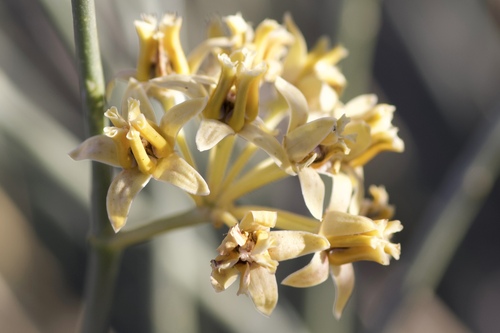
Same Family no rights reserved · cc0
Help improve the field guideSomething wrong?
Checking your Fauna account…Report a name, category, or profile issue for review.