Also known as Indian Hemp, Rheumatism Root, Wild Cotton, Bitterroot
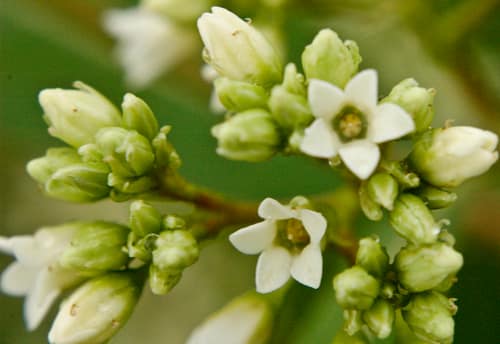
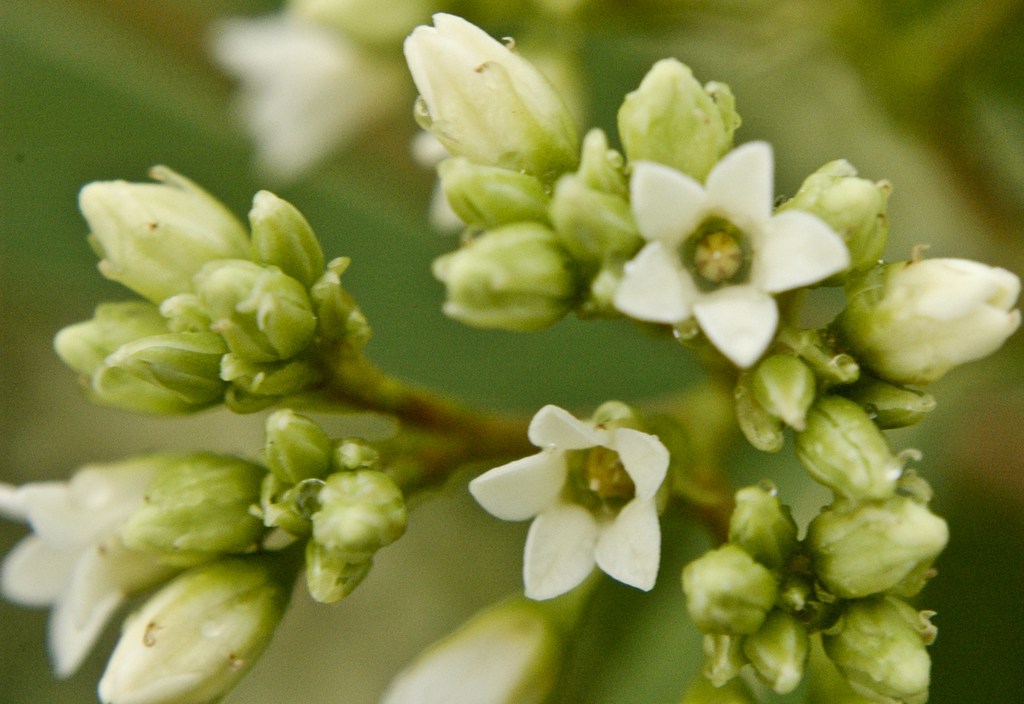
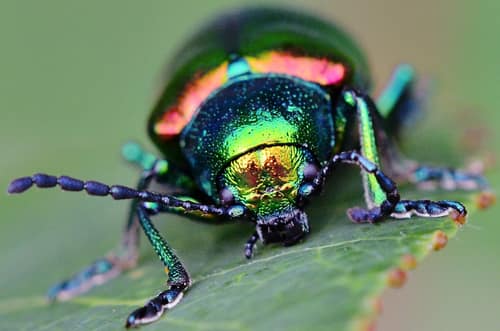
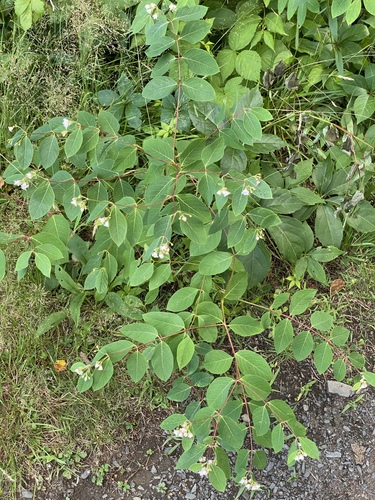
Hemp dogbane stands erect along roadsides and field edges, easily recognized by its reddish stems, milky sap, and clusters of tiny bell-shaped white blossoms. Native Americans historically harvested its tough stem fibers to weave fine cordage, nets, and textiles. Today it plays a vital ecological role, supporting iridescent dogbane beetles and providing nectar for native pollinators despite its potent toxicity.
ThreatsHerbicide spraying and agricultural tilling
HabitatsFields, roadsides, riverbanks, pastures, and open woodlands
Life spanPerennial (rhizomes survive indefinitely)
Size / weightNot available
Classification
OrderGentianales
FamilyApocynaceae
GenusApocynum
SpeciesApocynum cannabinum
Range & activity
Range data is not available yet.
Safe observation
Interaction riskHigh
Low
Moderate
High
Very high
Why interaction risk is high
All parts contain toxic cardiac glycosides and irritating latex; avoid skin contact and never ingest.
Why it is dangerous
Contains cardiac glycosides like cymarin and toxic milky latex that cause severe heart arrhythmias, gastrointestinal distress, and contact skin irritation.
How to recognize a risky encounter
Look for erect branching reddish stems up to two meters tall, opposite smooth leaves, milky sap when cut, and small greenish white flowers.
What to do
Observe from a distance without breaking stems or touching sap, and keep livestock and pets away from established patches.
Responsible observation
Spotting iridescent beetles: Look closely at upper leaf surfaces in early summer to spot metallic green dogbane beetles.
Checking sap safely: Observe stem breakage from a distance without touching the sticky, skin-irritating latex.
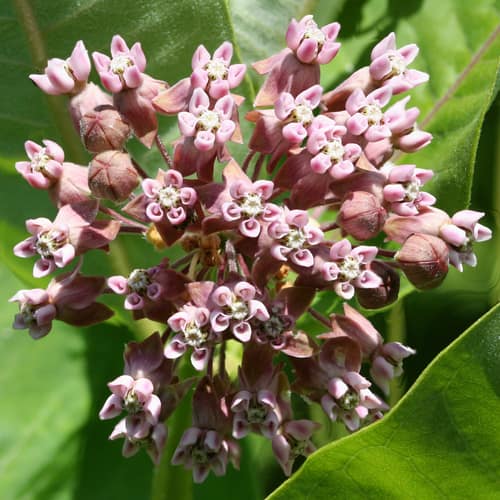
Telling it from milkweed: Look for reddish branching stems and small greenish white flowers rather than large unbranched stalks.