
Plant
Spindle
Euonymus europaeusAlso known as European Spindle, Common Spindle, Spindle Tree
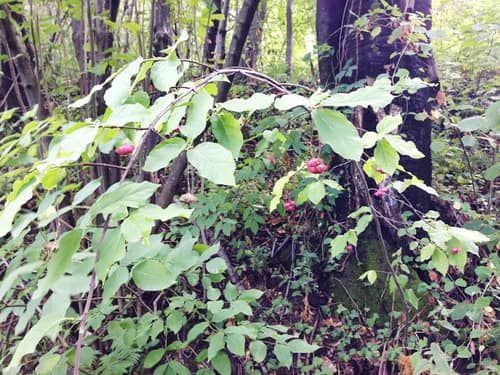
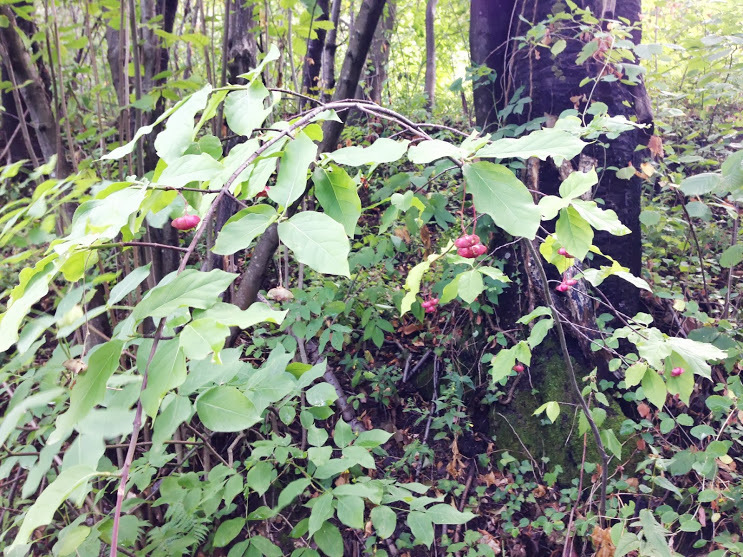
European spindle brightens autumn hedgerows with spectacular bright pink four-lobed seed capsules that split open to reveal bright orange arils. Historically valued for its dense, hard wood used to craft textile spindles and wooden skewers, this shrub also serves as an essential host plant for specialized insects. Dense infestations of spindle ermine moth caterpillars can encase entire bushes in white silk webs during late spring, though the resilient shrub typically recovers fully by summer.
DeciduousToxic BerriesAutumn Color
—observations
—countries
—peak records
Least ConcernConservation statusIUCN Red List categoriesLCNTVUENCREWEXLeast ConcernRed List categories, explained →
Diet & preySunlight, Water, Soil Nutrients
Predators
- Spindle Ermine Caterpillars
- Aphis fabae (Black Bean Aphid)
ThreatsHabitat loss, invasive plant competition
HabitatsWoodland edges, hedgerows, gentle slopes, chalky soils
Life span100+ years
Classification
- OrderCelastrales
- FamilyCelastraceae
- GenusEuonymus
- SpeciesEuonymus europaeus
Range data is not available yet.
Interaction riskHigh
- Low
- Moderate
- High
- Very high
- Why interaction risk is high
- All plant parts are toxic if ingested, and wild berries have dangerous look-alikes.
- Why it is dangerous
- Contains toxic alkaloids such as evonine and cardiac glycosides that cause severe vomiting, intestinal cramps, and cardiac disturbance if ingested.
- How to recognize a risky encounter
- Look for distinctive four-lobed hot-pink seed pods revealing orange arils alongside finely serrated green leaves.
- What to do
- Do not consume any part of the plant and keep curious pets and children away from the colorful fruit.
Responsible observation
- Autumn Identification: Look for distinctive pink seed capsules splitting open to reveal glowing orange seeds.
- Caterpillar Observation: Inspect leaves in May and June for silk webbing spun by spindle ermine moth larvae.
- Safe Enjoyment: Admire the striking fall foliage and seed pods visually without picking or tasting the toxic berries.
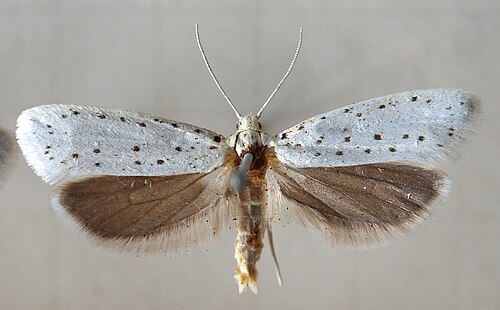
Host Caterpillar Sarefo / CC BY-SA 3.0 · cc-by-sa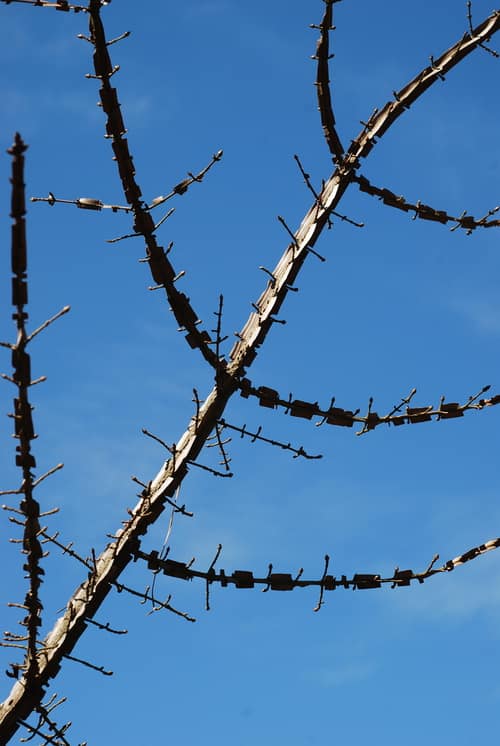
Close Relative (c) Douglas Goldman, some rights reserved (CC BY-SA), uploaded by Douglas Goldman · cc-by-sa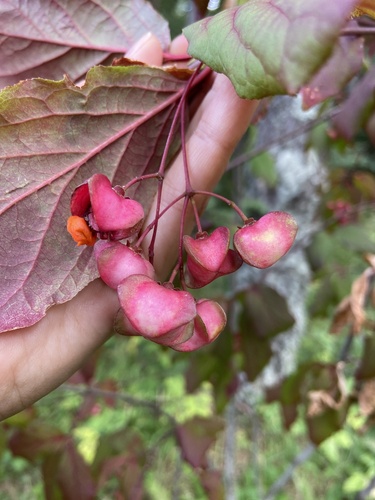
Close Relative (c) Sokratis, some rights reserved (CC BY) · cc-by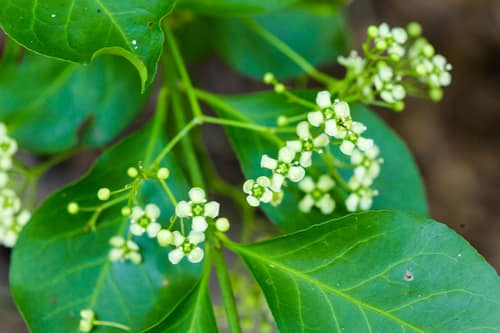
Close Relative (c) Melissa McMasters, some rights reserved (CC BY) · cc-by
Help improve the field guideSomething wrong?
Checking your Fauna account…Report a name, category, or profile issue for review.