
Plant · GBIF taxon 3169001
Northern Bayberry
Morella pensylvanicaAlso known as Bayberry, Swamp Candleberry
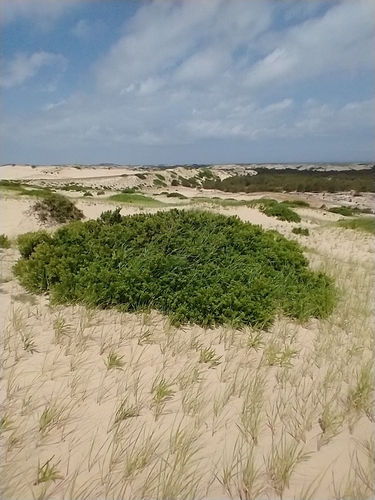
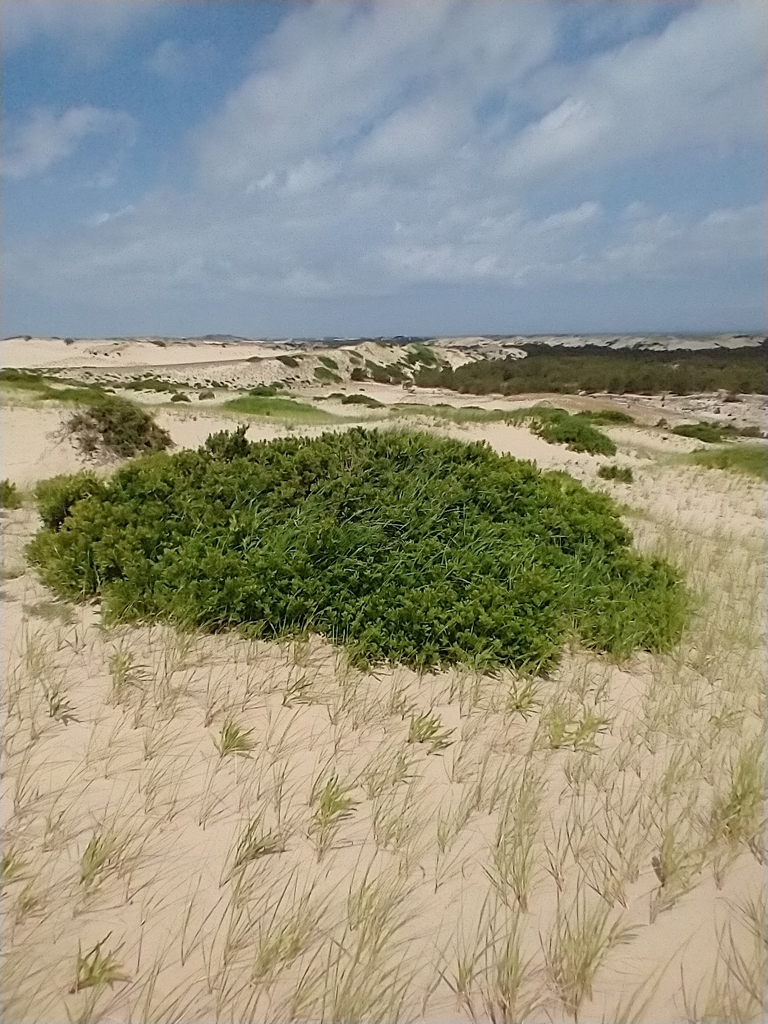
Northern bayberry forms dense, salt-tolerant thickets across coastal sand dunes and pine barrens, thriving in nutrient-poor soils thanks to nitrogen-fixing root nodules shared with actinobacteria. Its glossy, semi-evergreen leaves release a sharp, spicy balsam scent when crushed, an aromatic adaptation that deters many browsing herbivores. Female shrubs produce clusters of pale, grayish-white drupes heavily coated in aromatic wax that persists through winter, providing a critical lipid-rich food source for migratory songbirds.
AromaticCoastalNitrogen-Fixing
—observations
—countries
—peak records
Least ConcernConservation statusIUCN Red List categoriesLCNTVUENCREWEXLeast ConcernRed List categories, explained →
Diet & prey
- Sunlight
- Atmospheric Nitrogen
- Water and Soil Minerals
Predators
- White-tailed Deer
- Gypsy Moth Larvae
ThreatsCoastal development, shoreline alteration, and invasive plant competition
HabitatsCoastal sand dunes, maritime forests, pine barrens, and wetland margins
Life span20–40 years
Size / weightNot available
Classification
- OrderFagales
- FamilyMyricaceae
- GenusMorella
- SpeciesMorella pensylvanica
Range data is not available yet.
Interaction riskLow
- Low
- Moderate
- High
- Very high
- Why interaction risk is low
- Wild berries have toxic look-alikes; never eat based on app identification alone.
Responsible observation
- Crush a leaf: Gently press and sniff a mature leaf to experience its signature spiced-wood aroma.
- Winter birding: Search the waxy berry clusters during late autumn and winter to spot foraging warblers.
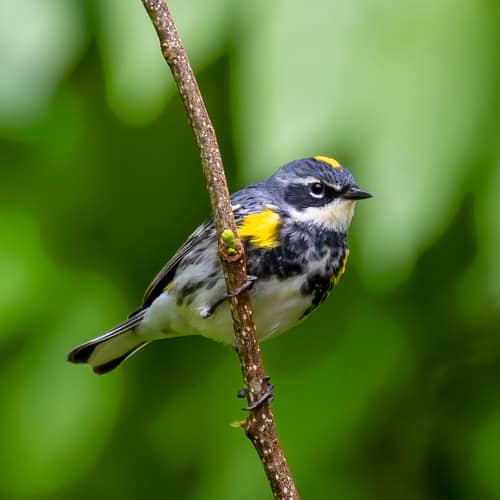
Seed Disperser (c) Dan Vickers, some rights reserved (CC BY), uploaded by Dan Vickers · cc-by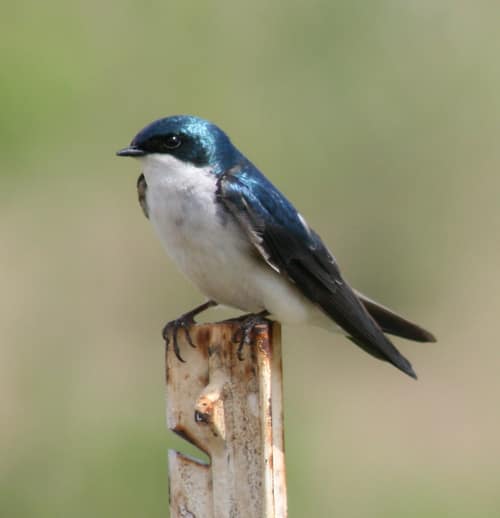
Seed Disperser "Tree Swallow" by born1945 is licensed under CC BY 2.0. To view a copy of this license, visit https://creativecommons.org/licenses/by/2.0/. · cc-by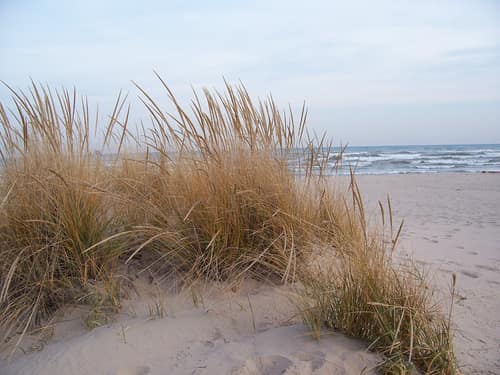
Frequent Companion Royalbroil / CC BY-SA 3.0 · cc-by-sa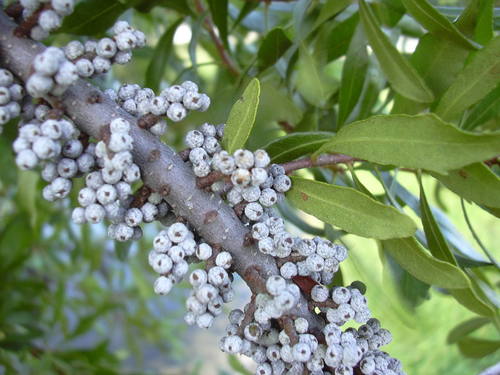
Close Relative (c) Forest and Kim Starr, some rights reserved (CC BY) · cc-by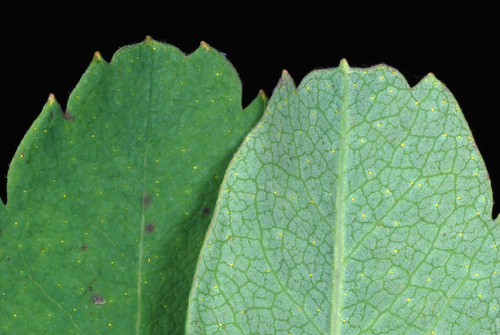
Same Family (c) Douglas Goldman, some rights reserved (CC BY-SA), uploaded by Douglas Goldman · cc-by-sa
Help improve the field guideSomething wrong?
Checking your Fauna account…Report a name, category, or profile issue for review.