
Plant
Cucumber-tree
Magnolia acuminataAlso known as Cucumber Magnolia, Blue Magnolia, Mountain Magnolia
Cucumber-trees tower above the forest floor as one of the largest and hardiest magnolias in North America, often reaching deep into mature canopy layers. Their greenish-yellow, tulip-shaped flowers blend seamlessly into high spring foliage and are pollinated primarily by beetles that clamber across ancient floral structures. In late summer, distinctive knobby green seed aggregates mature to bright red, splitting open to dangle glossy red seeds on delicate, thread-like filaments.
DeciduousFloweringForest
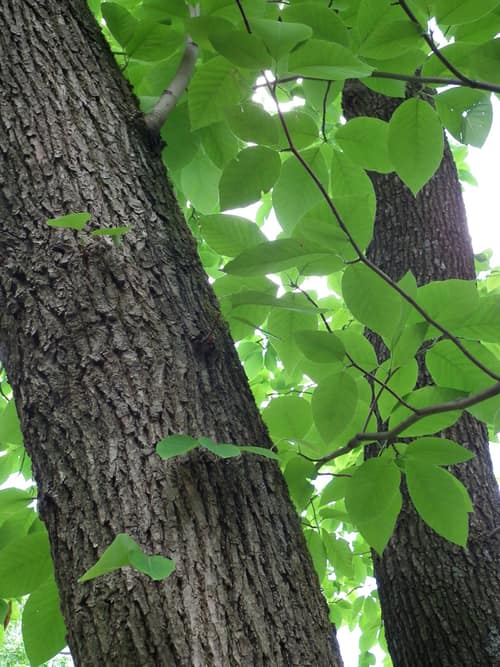
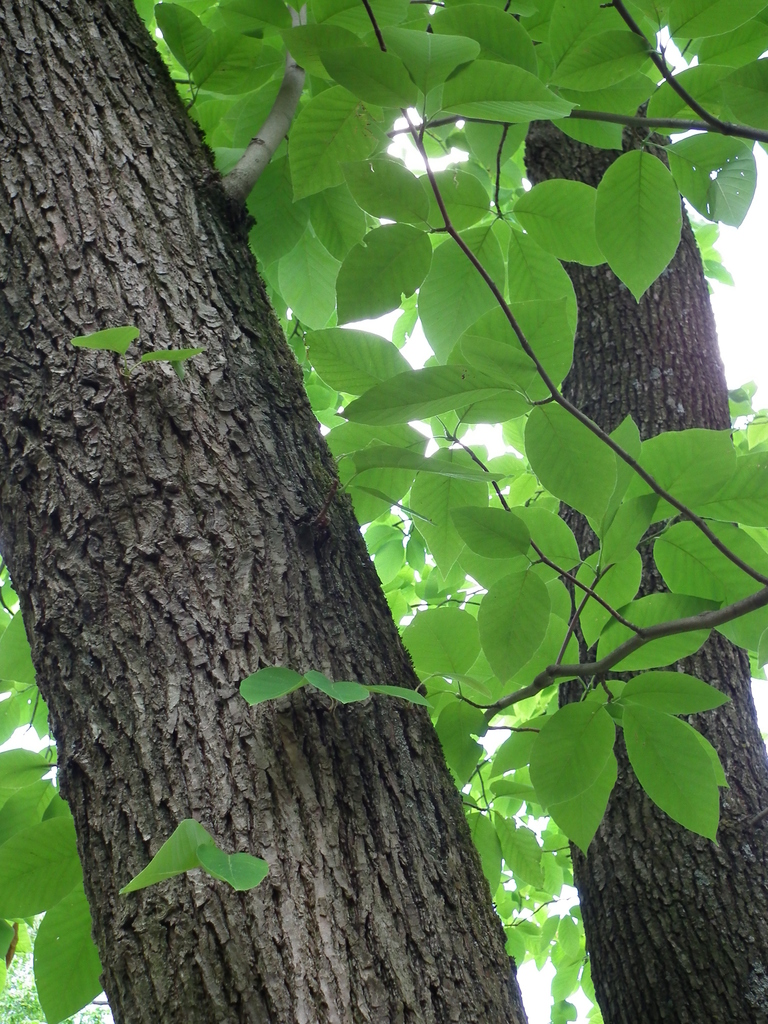
—observations
—countries
—peak records
Least ConcernConservation statusIUCN Red List categoriesLCNTVUENCREWEXLeast ConcernRed List categories, explained →
Diet & preySunlight, Water, Soil Minerals
Predators
- White-tailed Deer
- Beaver
- Wood-boring Beetles
ThreatsHabitat fragmentation, timber harvesting, and competition from shade-tolerant understory trees
HabitatsRich deciduous forests, moist mountain coves, deep valleys, and rocky slopes
Life span100–150 years
Classification
- OrderMagnoliales
- FamilyMagnoliaceae
- GenusMagnolia
- SpeciesMagnolia acuminata
Range data is not available yet.
Interaction riskLow
- Low
- Moderate
- High
- Very high
- Why interaction risk is low
- Safe to observe at a normal distance.
Responsible observation
- Binoculars Recommended: Look high into the spring canopy to spot the well-camouflaged greenish-yellow blossoms.
- Foliage Inspection: Examine crushed leaves or twigs to detect a faint, pleasant aromatic citrus-spicy scent.
- Autumn Ground Search: Search beneath the crown in late summer for fallen bumpy fruit cones dangling red seeds.
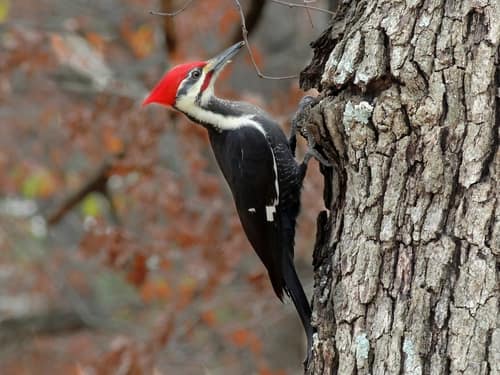
Frequent Companion (c) Joshlaymon, some rights reserved (CC BY-SA) · cc-by-sa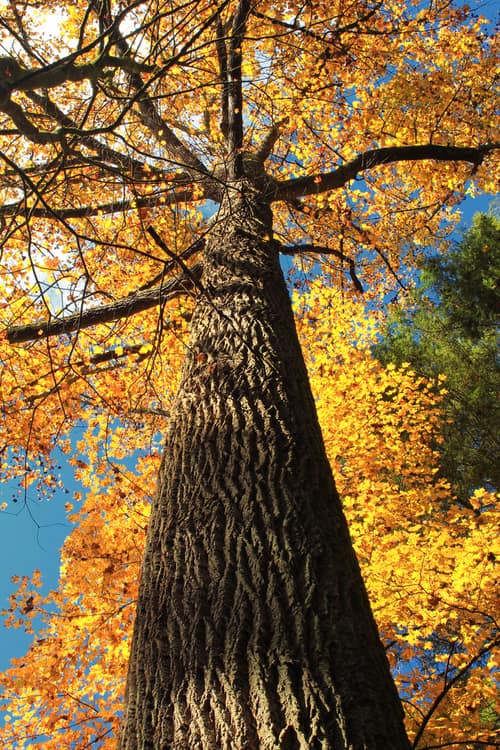
Same Family (c) Nicholas A. Tonelli, some rights reserved (CC BY) · cc-by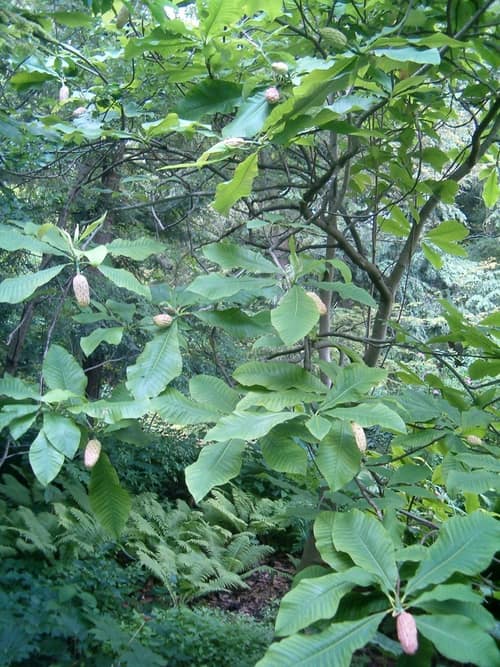
Close Relative (c) User:BotBln, some rights reserved (CC BY-SA) · cc-by-sa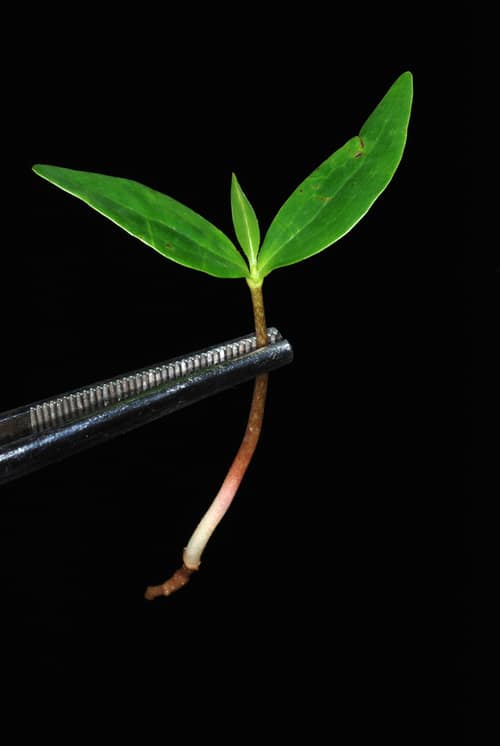
Close Relative (c) Douglas Goldman, some rights reserved (CC BY-SA), uploaded by Douglas Goldman · cc-by-sa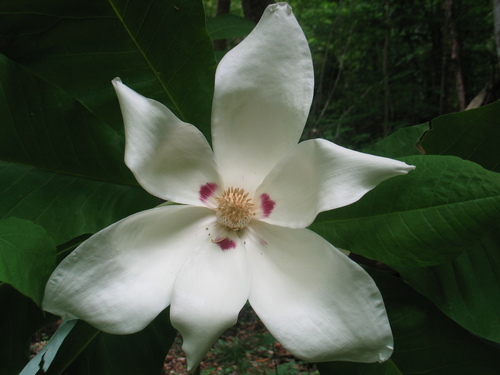
Close Relative (c) Curtis Hansen, some rights reserved (CC BY), uploaded by Curtis Hansen · cc-by
Help improve the field guideSomething wrong?
Checking your Fauna account…Report a name, category, or profile issue for review.